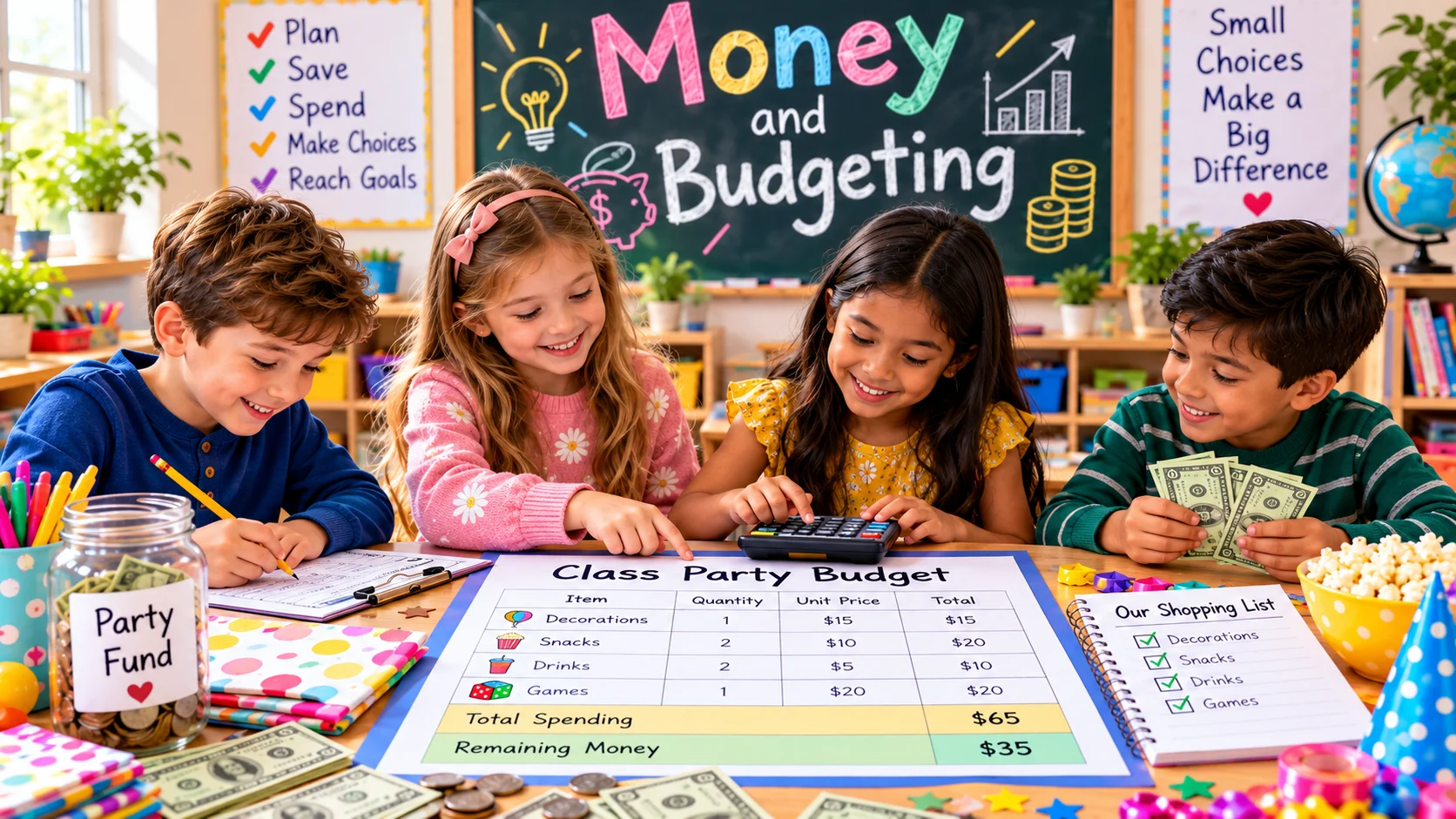

Teaching is about more than delivering lessons. Every school day gives educators new opportunities to inspire students, solve problems, and build meaningful relationships. Developing strong educator skills helps teachers create an organized, inclusive, and engaging learning environment. This practical guide covers core teaching skills, classroom routines, document camera hacks, communication ideas, and useful examples you can try right away.
What Are Essential Teaching Skills?
Essential teaching skills are the abilities educators use to plan lessons, explain ideas, manage learning activities, check understanding, and build positive student relationships. They include clear communication, subject knowledge, patience, creativity, and flexibility. For example, when students struggle to understand fractions, an effective teacher may change from verbal explanation to fraction tiles, illustrations, or a live demonstration.
10 Essential Educator Skills Every Teacher Should Develop
- Communication: Explain instructions clearly, listen actively, and give actionable feedback.
- Lesson planning: Set learning goals, prepare materials, and anticipate difficulties.
- Classroom management: Teach expectations and practice consistent routines.
- Patience and empathy: Recognize that students learn at different speeds and may need different kinds of support.
- Creativity: Use visual examples, storytelling, games, and hands-on tasks where appropriate.
- Adaptability: Adjust teaching methods when a class needs more guidance or a different approach.
- Technology integration: Choose digital tools that make instruction more accessible and useful.
- Assessment: Use questions, exit tickets, and student work to identify what needs reteaching.
- Collaboration: Share ideas with colleagues and coordinate support for students.
- Time management: Prioritize preparation and organization without overcomplicating lessons.
Make Lesson Planning More Effective
Good lessons start with a clear objective: what should students know or be able to do at the end? Choose one or two ways to demonstrate the concept, plan guided practice, and decide how you will check understanding. A simple five-part lesson could include an opening question, teacher modeling, guided practice, independent activity, and a brief exit ticket.
Try this tomorrow: Write your lesson goal as an “I can” statement, prepare one example to model, and end with a question that shows whether students have understood the main idea.
How to Create a Positive Learning Environment
A positive learning environment helps students feel welcome, respected, and comfortable participating. The physical space matters, but classroom relationships and expectations matter just as much. Greet students by name, teach respectful discussion, offer more than one way to contribute, and recognize effort without comparing children against one another.
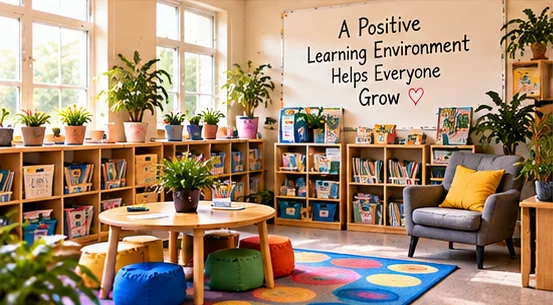
Practical Ways to Improve the Classroom Atmosphere
- Set clear, positive expectations such as listening, being prepared, and treating others with respect.
- Keep supplies and learning materials accessible and organized.
- Use pair discussions and written responses so quieter students have ways to participate.
- Treat mistakes as an ordinary part of learning and show students how to improve.
Building a Managed Learning Environment
A managed learning environment can refer to coordinated digital platforms and school systems used to support teaching, resources, communication, and administration. The same principle of organized access also helps in physical classrooms: students should know where to find materials, how to follow routines, and where assignments belong.
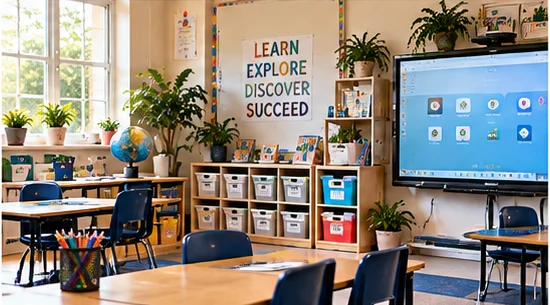
Use consistent folder names for digital lessons, label supplies by purpose, share a visible class schedule, and explain how students can request help. When using school technology, follow your institution’s student privacy and platform guidelines.
Classroom Management Tips That Make Teaching Easier
Effective classroom management is about teaching students how a productive learning space works. Begin with an easy entry task, give short step-by-step instructions, practice an attention signal, and prepare students for transitions. Consistent routines reduce confusion and help preserve time for learning.
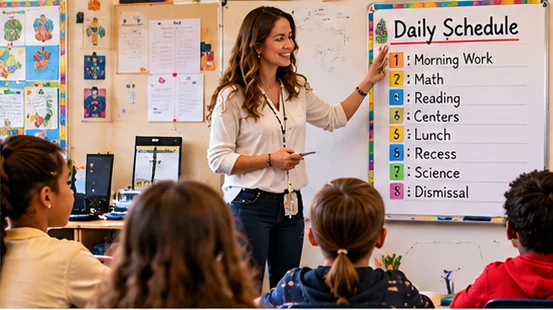
Example: Instead of telling students to “get ready for reading,” explain the sequence: put away math materials, take out your book, sit in your reading spot, and begin the first page. Model the routine once and let the class practice it.
7 Creative Document Camera Hacks for Teachers
A document camera can project real-time close-ups of books, worksheets, objects, or handwriting. It is especially helpful for demonstrations that are difficult for a whole class to see at once.
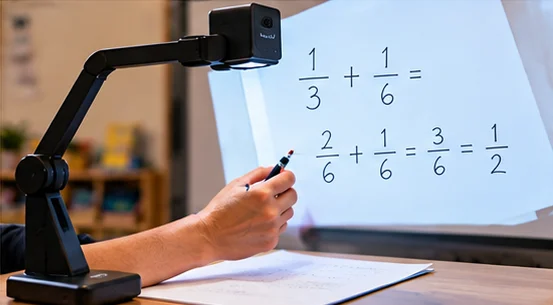
- Model math: Solve problems under the camera one step at a time.
- Support read-alouds: Show an appropriate book page while discussing words and illustrations.
- Explore science: Display small leaves, rocks, seeds, or other classroom objects.
- Edit writing: Revise sample paragraphs live while students suggest improvements.
- Share strategies: Discuss anonymized student work, with appropriate permission.
- Demonstrate art: Show careful drawing, folding, and craft techniques.
- Reuse worksheets: Place an erasable transparent sheet over a worksheet for annotations.
Before class, check focus, lighting, camera orientation, and projector visibility. Follow school rules when displaying or recording student work and copyrighted materials.
Communication Skills That Strengthen Student Relationships
Students learn best when they understand instructions and feel comfortable asking questions. Listen without interrupting, offer specific encouragement, and correct misunderstandings respectfully.
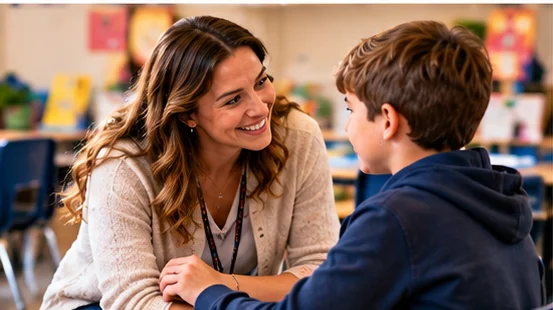
Instead of saying, “This is wrong,” try: “Let’s review the second step together.” Instead of “You should know this already,” say: “Which part would you like me to explain another way?” Keep parent communication factual, respectful, and focused on student progress.
Good Goodbye Letters for Students and Colleagues
At the end of a school year, a thoughtful goodbye letter helps teachers recognize progress and share encouragement. The most meaningful letters use warm, age-appropriate language and specific appreciation.
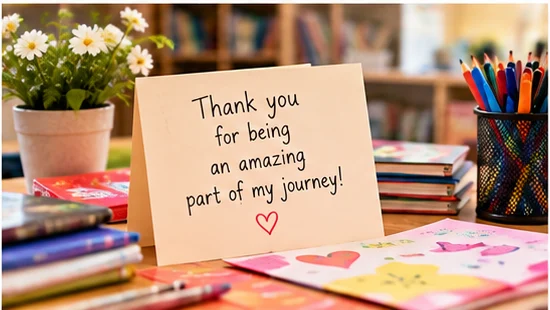
Sample Goodbye Letter to Students
Dear Students,
As our school year comes to an end, I want you to know how proud I am of all you have learned. We have shared questions, challenges, laughter, and wonderful memories. Keep being curious, helping others, and believing in your ability to grow. Thank you for making our classroom such a special place.
With warm wishes,
Your Teacher
Sample Goodbye Letter to a Colleague
Dear Colleague,
Thank you for your support, creativity, and dedication throughout our time working together. I have appreciated the ideas we shared and the positive difference you made in our school community. Wishing you success and happiness in your next chapter.
Warm regards,
Your Fellow Educator
Daily Teaching Checklist for Busy Educators
Good teaching habits become easier when they fit into your day. Use this short checklist to focus on the essentials.
Before School
- Review lesson objectives.
- Prepare materials and check technology.
- Set up a short opening activity.
During Class
- Communicate instructions clearly.
- Check students’ understanding.
- Encourage participation and adapt as needed.
After School
- Review student work and feedback.
- Note any follow-up support.
- Reflect on one improvement for tomorrow.
Frequently Asked Questions
What are the most important educator skills?
Clear communication, lesson planning, classroom management, empathy, adaptability, assessment, and organization are fundamental educator skills.
How can a teacher create a positive learning environment?
Build relationships, explain expectations, encourage respectful participation, and offer accessible ways for all students to learn.
What is a managed learning environment?
It is a coordinated system of resources, technologies, and processes that supports learning, communication, and, often, administrative activities.
What are easy document camera hacks?
Use a document camera for step-by-step math, live writing edits, science object demonstrations, read-alouds, and art instruction.
How can new teachers improve classroom management?
Teach a few clear routines, practice transitions, give specific directions, and respond consistently and respectfully to behavior.
What should a good goodbye letter include?
Express appreciation, mention a positive shared experience, and offer sincere encouragement for the next chapter.
Final Thoughts
Becoming a more effective educator is an ongoing process. Strong teaching skills, clear classroom routines, thoughtful use of technology, and respectful communication all contribute to meaningful learning. Start with one strategy from this guide, observe how students respond, and refine it over time. Small, practical improvements can make a lasting difference.