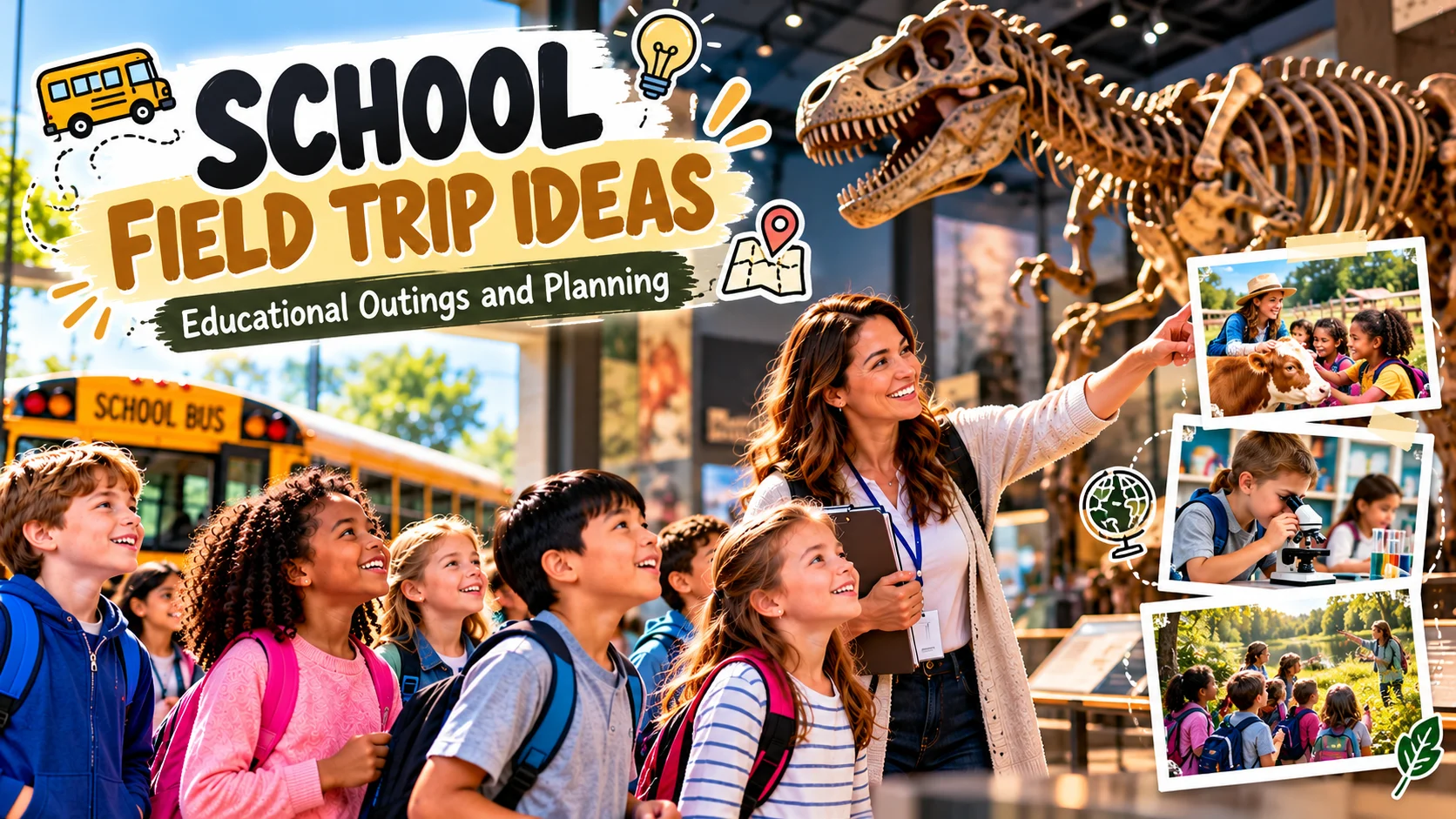

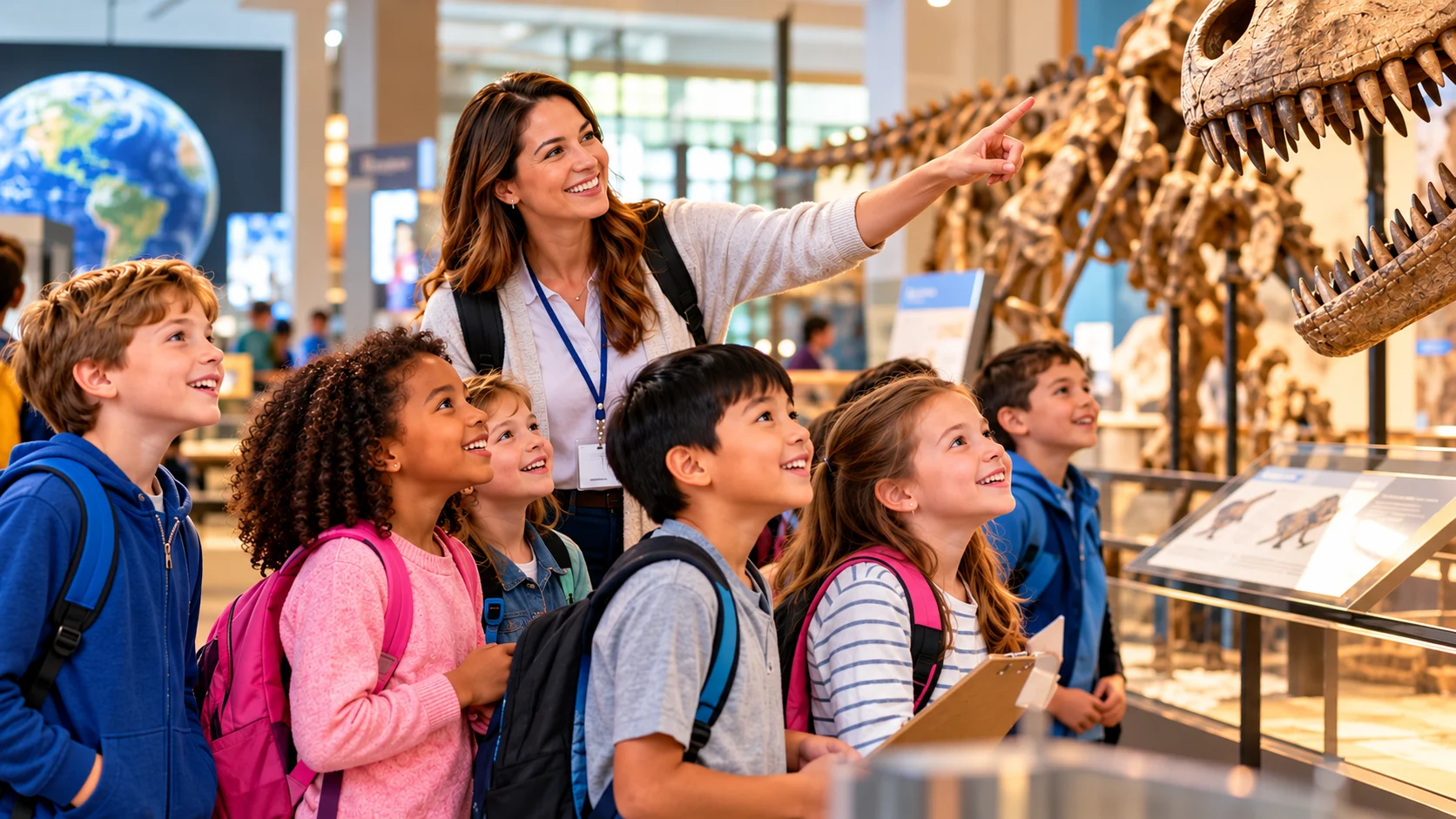
There is something unforgettable about learning beyond classroom walls. A dinosaur skeleton can make prehistoric life feel real, a visit to a neighborhood garden can bring a science lesson to life, and a firefighter’s demonstration can turn a safety lesson into an experience children remember. But planning a school field trip also means thinking about budgets, supervision, accessibility, and what students will actually learn.
If you’re searching for field trip ideas that are enjoyable and educational, this guide covers 20 destinations for elementary students, suggestions by grade level, free and low-cost alternatives, and a step-by-step planning checklist. Whether your class visits a museum across town or takes a short walk to a local park, you can design an outing that feels special and has a clear purpose.
Why Are Field Trips Important for Students?
Field trips give children opportunities to connect ideas from textbooks and classroom conversations with people, places, and experiences in the real world. Instead of only reading about ecosystems, students can look for insects and plants along a nature trail. Instead of simply discussing community helpers, they can ask firefighters or librarians how their work supports the neighborhood.
Thoughtfully designed outings can encourage observation, curiosity, teamwork, conversation, and independent thinking. They also provide students with different ways to participate: some enjoy asking questions, while others learn through watching, drawing, moving, or trying an activity themselves.
The most effective field trips are more than a fun day away. They have a few achievable learning objectives, developmentally appropriate activities, and time afterward to discuss what students discovered.
20 Best School Field Trip Ideas for Elementary Students
The best destination depends on your students’ ages, class interests, curriculum, and what is available nearby. These 20 field trip ideas are grouped into four themes so you can find a suitable match. Grade ranges are flexible suggestions rather than strict requirements.
Science and Discovery Field Trip Ideas
Science-focused outings are useful for encouraging inquiry, observation, experimentation, and asking questions about how the world works.
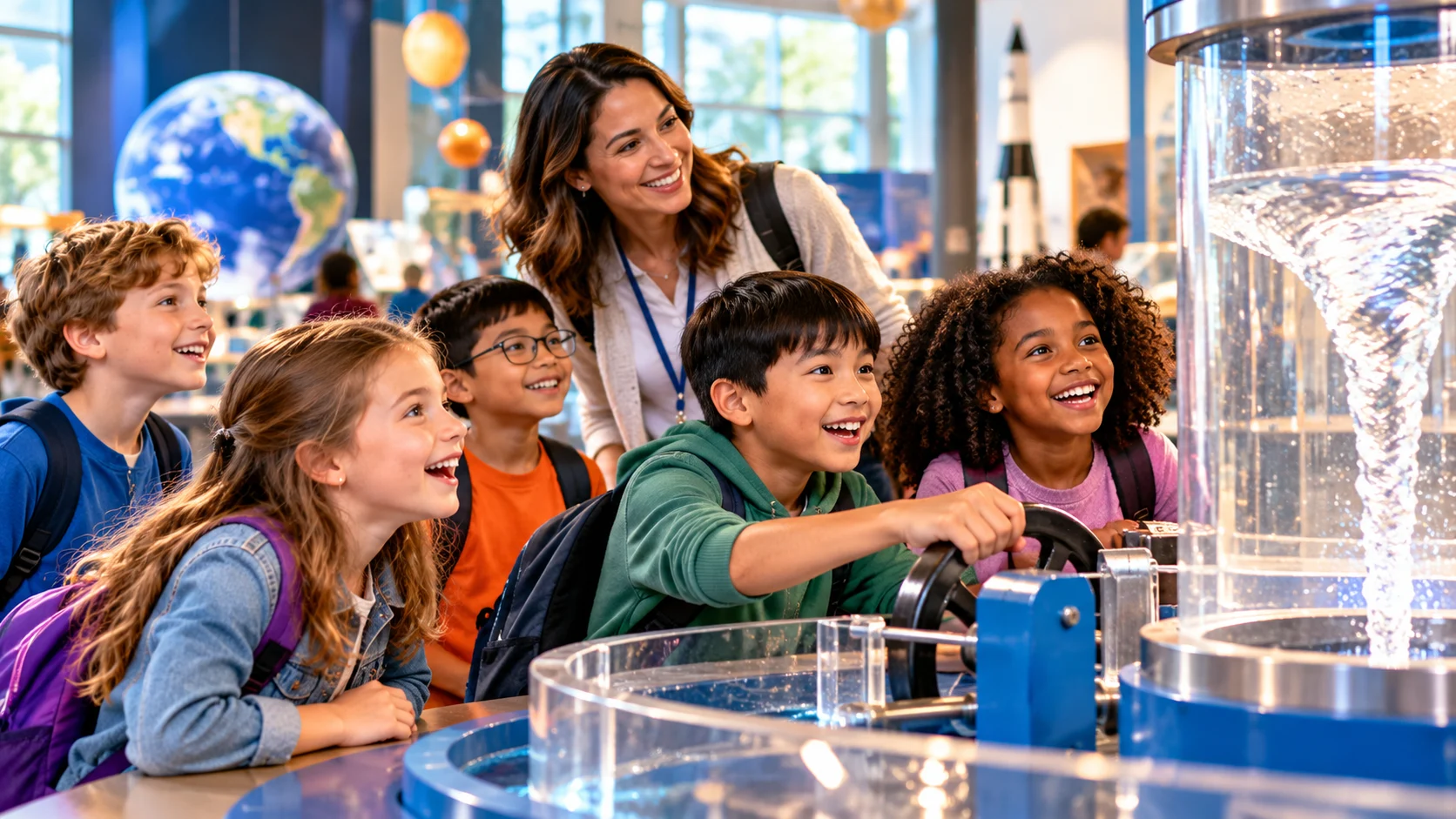
1. Science Museum
Suggested Grades: K–5
Learning Focus: STEM, experimentation, and problem-solving.
Interactive exhibits about motion, light, electricity, or simple machines allow children to test predictions and observe scientific concepts.
Activity: Ask students to write one question, one discovery, and one experiment they would like to repeat.
2. Planetarium
Suggested Grades: 2–5
Learning Focus: Astronomy, stars, planets, and space.
A child-friendly planetarium show can introduce students to constellations, the solar system, and Earth’s place in space.
Activity: Have students sketch a constellation or compare two planets.
3. Aquarium
Suggested Grades: K–5
Learning Focus: Marine life, habitats, and ecosystems.
Students can observe how aquatic animals move, find food, and adapt to their environments.
Activity: Choose one marine animal and identify two features that help it survive.
4. Children’s Museum
Suggested Grades: K–3
Learning Focus: Creativity, exploration, and teamwork.
Interactive exhibits encourage younger learners to build, sort, experiment, imagine, and work together.
Activity: Complete a collaborative building challenge and discuss how the group solved a problem.
5. Nature Science Center
Suggested Grades: 1–5
Learning Focus: Wildlife, habitats, and conservation.
Nature centers may offer guided walks and educational exhibits about native plants, animals, and the environment.
Activity: Create a simple food chain using organisms introduced during the visit.
Nature and Outdoor Field Trip Ideas
Nature-based field trips allow children to explore plants, animals, and ecosystems directly. They also provide opportunities for observation and environmental education.
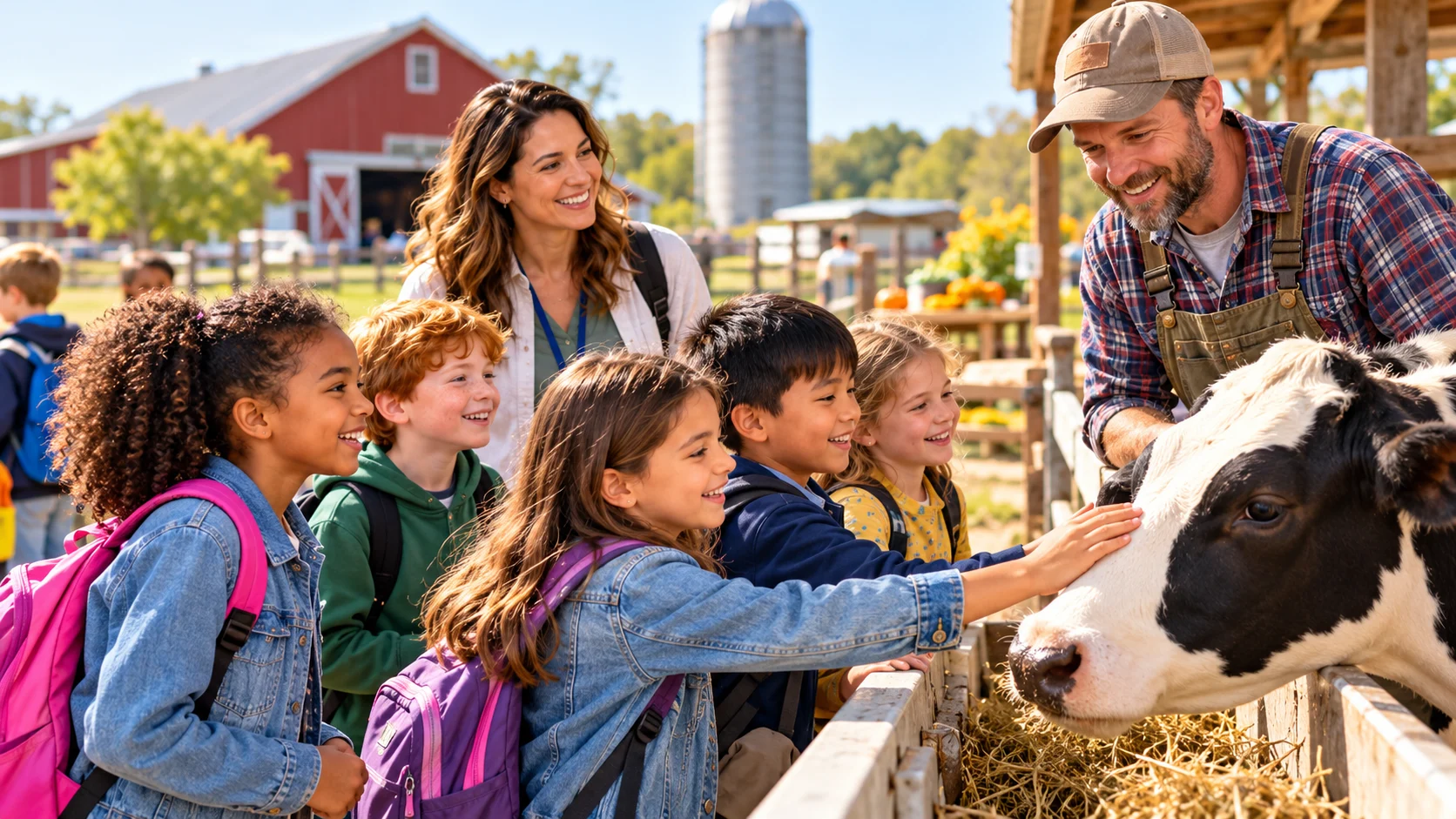
6. Local Farm
Suggested Grades: K–4
Learning Focus: Agriculture, farm animals, and food production.
Students can discover where food comes from and how farmers care for crops and animals.
Activity: Trace one food item from the farm to the grocery store. Follow farm staff guidance and hygiene rules around animals.
7. Botanical Garden
Suggested Grades: 1–5
Learning Focus: Plant biology and biodiversity.
Botanical gardens allow students to observe different types of flowers, trees, and plants.
Activity: Draw two plants and compare their leaves, stems, and flowers.
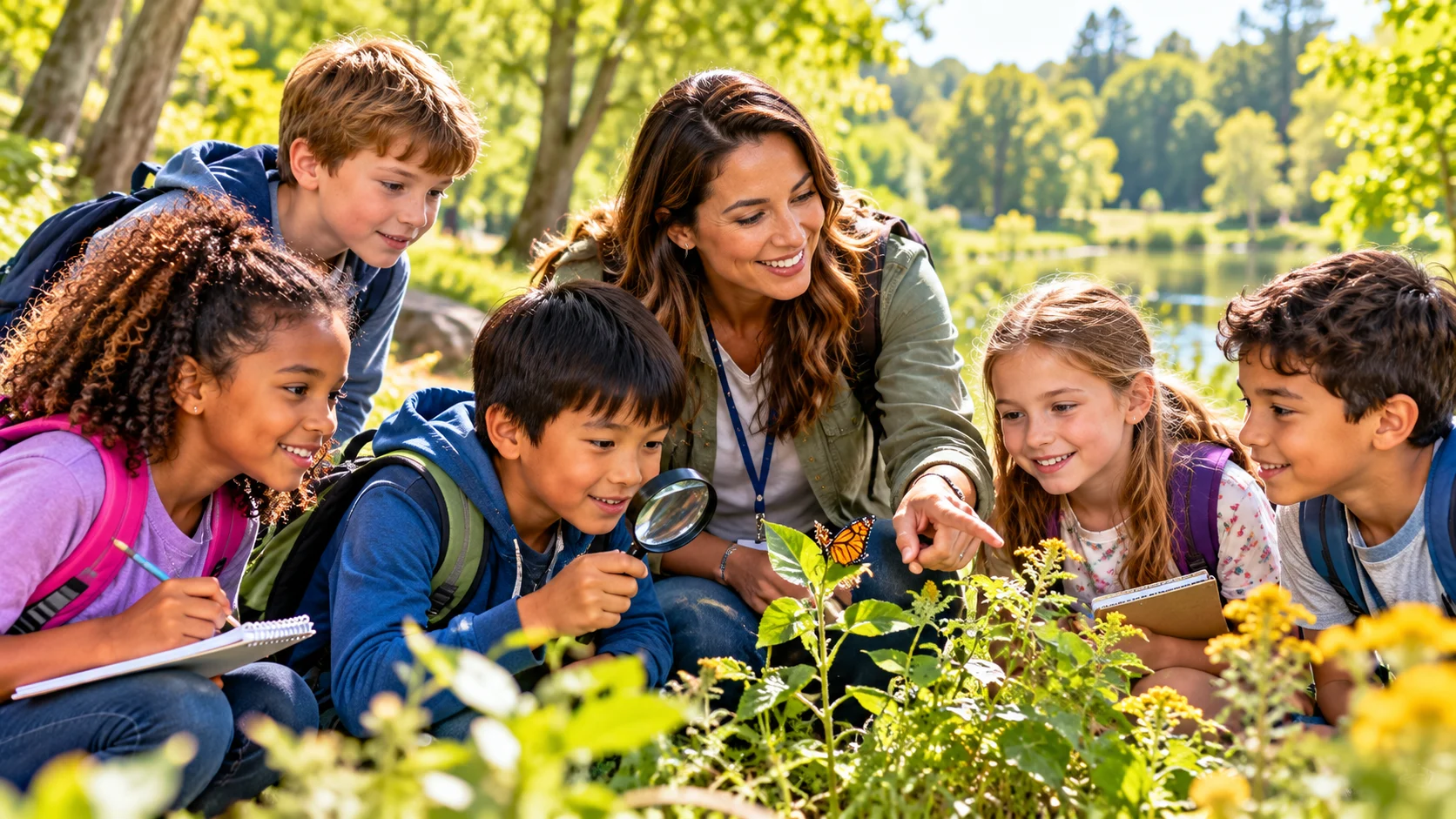
8. Local Park or Nature Trail
Suggested Grades: K–5
Learning Focus: Environmental science and observation.
A nearby park can provide an affordable opportunity to explore local habitats and seasonal changes.
Activity: Organize a nature scavenger hunt where students identify plants, textures, and animal signs without disturbing wildlife.
9. Zoo
Suggested Grades: K–5
Learning Focus: Animal adaptations and conservation.
Students can compare animals from different habitats and learn about wildlife conservation.
Activity: Compare how two animals move and identify adaptations that help them survive.
10. Community Garden
Suggested Grades: K–5
Learning Focus: Sustainability, plant growth, and nutrition.
Community gardens provide opportunities to learn how plants grow and why people care for shared environments.
Activity: Create a plant life-cycle diagram or classroom seed-growing journal.
History, Arts, and Culture Field Trip Ideas
Historical and cultural outings allow students to experience different traditions, creative expressions, and important events through real objects and environments.
11. History Museum
Suggested Grades: 2–5
Learning Focus: History and social studies.
Historical artifacts, exhibits, and photographs help students understand how people lived in earlier periods.
Activity: Choose one historical object and explain what it reveals about life in the past.
12. Historic Landmark
Suggested Grades: 3–5
Learning Focus: Community heritage.
Historic buildings and landmarks can bring local history to life.
Activity: Compare the landmark’s original purpose with how it is used today.
13. Art Museum
Suggested Grades: 1–5
Learning Focus: Visual literacy and creative expression.
Students learn to observe artistic techniques, colors, shapes, and the stories behind different artworks.
Activity: Choose one artwork and describe its colors, shapes, and mood.
14. Children’s Theater
Suggested Grades: K–5
Learning Focus: Storytelling, language, and communication.
A live performance can introduce students to acting, stage design, and dramatic storytelling.
Activity: Discuss the characters’ choices and reenact a short scene.
15. Cultural Center
Suggested Grades: 2–5
Learning Focus: Cultural awareness and traditions.
Age-appropriate exhibitions and workshops can introduce students to the history and traditions of different communities.
Activity: Write down something new learned and a respectful question for further exploration.
Community and Career Exploration Field Trip Ideas
Community field trips help children understand how public services, local organizations, and professionals contribute to everyday life.
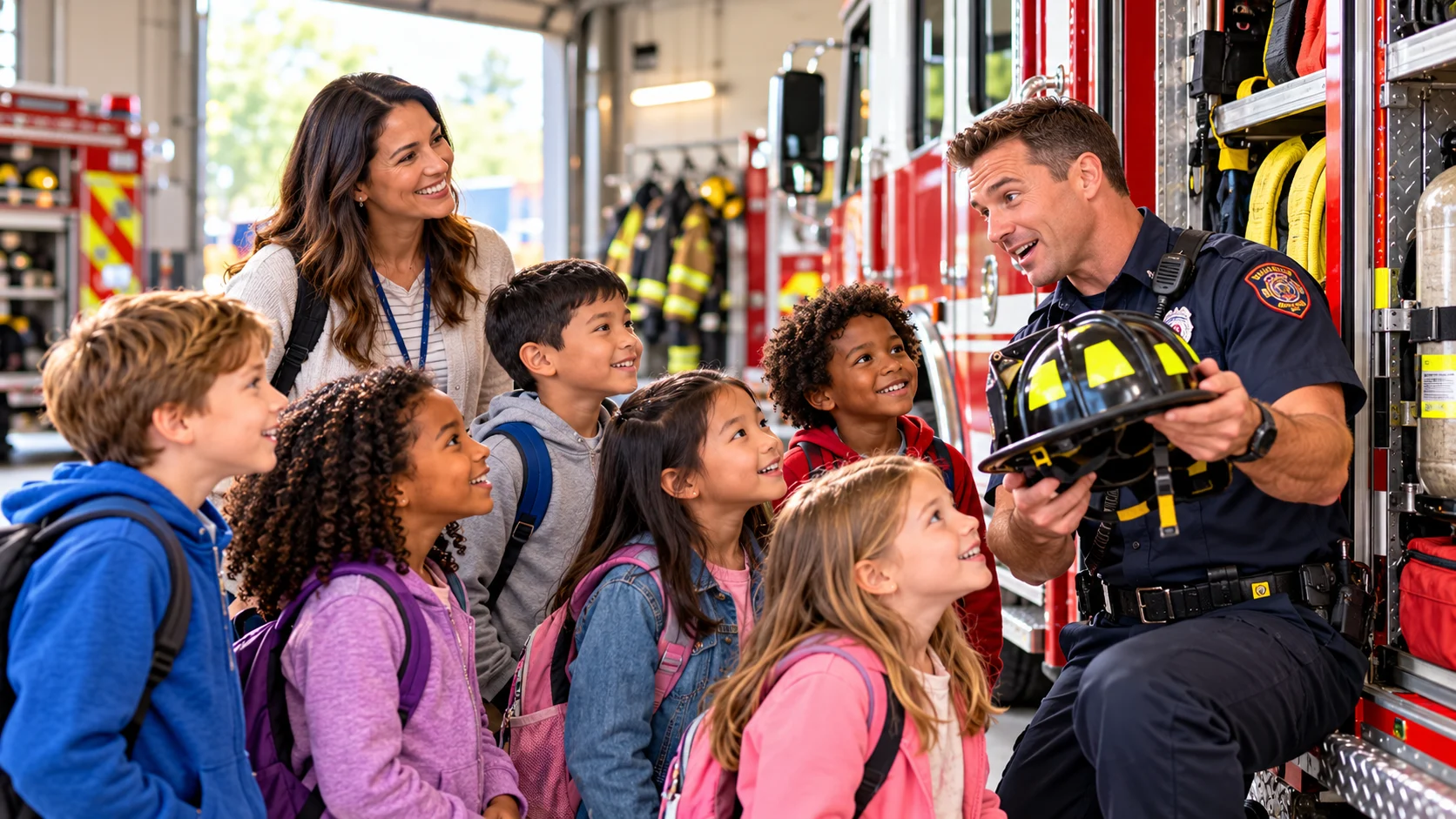
16. Fire Station
Suggested Grades: K–3
Learning Focus: Fire safety and community helpers.
Students may learn how firefighters respond to emergencies and what safety equipment they use.
Activity: Create a fire-safety poster using lessons from the visit.
17. Public Library
Suggested Grades: K–5
Learning Focus: Literacy and research.
A guided library tour can teach children how books are organized and how librarians help people locate information.
Activity: Organize a simple book-finding challenge.
18. Post Office
Suggested Grades: 1–4
Learning Focus: Communication and public services.
Where group visits are available, children can discover how letters and packages are handled and delivered.
Activity: Write and address a practice postcard.
19. Local Bakery
Suggested Grades: 2–5
Learning Focus: Measurement, food production, and business.
A prearranged demonstration can help students understand how recipes use measurements and how businesses operate.
Activity: Double or halve a simple ingredient list.
20. Recycling Center
Suggested Grades: 3–5
Learning Focus: Waste management and sustainability.
An approved educational visit can introduce students to sorting materials and recycling processes.
Activity: Practice sorting clean sample materials using local recycling rules.
Best Field Trip Ideas by Grade Level
Different age groups benefit from different kinds of educational experiences. Younger students generally enjoy short, interactive experiences, while older elementary students may be ready for more detailed guided tours.
| Grade Level | Recommended Field Trips | Learning Focus |
|---|---|---|
| Preschool–Kindergarten | Farm, library, children’s museum | Sensory learning and community awareness |
| Grades 1–2 | Zoo, botanical garden, fire station | Observation, nature, and safety |
| Grades 3–4 | Science museum, historic site, aquarium | Science, history, and critical thinking |
| Grade 5 | Planetarium, recycling center, cultural museum | STEM, sustainability, and social studies |
These recommendations are starting points. Consider student readiness, accessibility needs, travel time, and venue requirements before choosing a destination.
Free and Budget-Friendly Field Trip Ideas
Educational field trips do not always need expensive admission tickets. Many local destinations can provide valuable learning experiences at little or no entry cost.
- Public libraries: Explore reading, storytelling, and research.
- Local parks: Observe plants, insects, and environmental changes.
- Community gardens: Learn about food production and sustainability.
- Historic neighborhoods: Study architecture and local history.
- Nature trails: Practice observation and scientific sketching.
- School grounds: Conduct habitat surveys or simple outdoor experiments.
Some museums and educational centers may offer discounted group admission or occasional free programs. Always confirm prices and availability before planning.
Virtual Field Trip Ideas for the Classroom
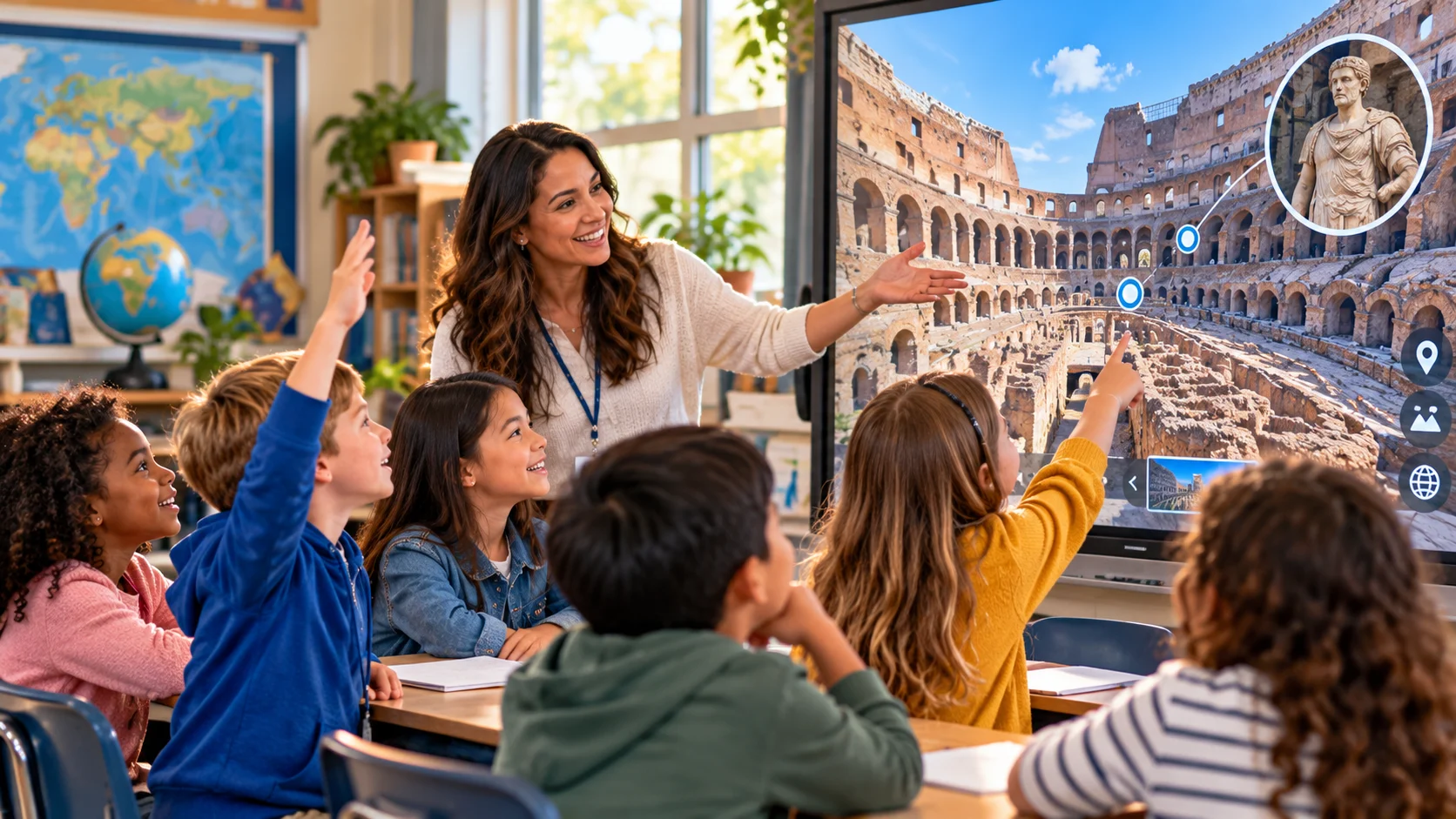
When transportation, weather, or scheduling creates difficulties, virtual field trips can help students explore new places without leaving school.
Teachers can organize digital museum tours, interactive maps, live educational presentations, aquarium webcams, or virtual astronomy experiences.
To make a virtual visit meaningful, prepare observation questions, pause to discuss discoveries, and assign a reflection activity afterward.
For example, students exploring a virtual history museum might select three objects and explain what each reveals about life in the past.
How to Plan a Successful School Field Trip
Planning an educational outing involves selecting a suitable destination, managing logistics, preparing students, and making sure the experience supports classroom learning.
- Define learning objectives: Identify two or three things students should learn.
- Choose a destination: Consider age suitability, accessibility, activities, and facilities.
- Prepare the budget: Include admission, transport, meals, and supplies.
- Obtain school approval: Follow all required school and district procedures.
- Book transportation: Confirm departure, arrival, and return arrangements.
- Arrange supervision: Follow school policies on chaperones, support staff, and required checks.
- Communicate with parents: Send permission forms, schedules, and packing instructions.
- Prepare students: Explain educational goals and behavior expectations.
- Prepare emergency arrangements: Confirm contacts, medical procedures, and backup plans.
- Plan reflection activities: Help students summarize what they learned.

Field Trip Safety Tips for Teachers and Students
Safety should be part of every school field trip plan. Review student attendance procedures, supervision assignments, emergency contacts, transportation requirements, and designated meeting locations before leaving school.
- Assign students to appropriate supervised groups.
- Conduct regular headcounts according to school procedures.
- Explain behavior and safety expectations before departure.
- Confirm accessibility arrangements for participating students.
- Prepare for weather and environmental conditions.
- Follow school rules for medical needs and emergency situations.
- Establish a clear communication system for staff and chaperones.
Supervision requirements can differ by age group, district, and destination. Always follow applicable school policies rather than relying on a universal student-to-chaperone ratio.
Educational Activities Before, During, and After a Field Trip
Field trips are most useful when students have opportunities to prepare, observe, and reflect.
| Stage | Suggested Activities | Learning Purpose |
|---|---|---|
| Before | Introduce vocabulary, discuss expectations, create questions | Build background knowledge and curiosity |
| During | Observation sheets, guided questions, sketching, scavenger hunts | Encourage active observation and discovery |
| After | Reflection journals, class discussions, posters, presentations | Reinforce understanding and communication |
For example, after visiting a community garden, students could create a plant growth journal, explain how plants obtain nutrients, or design a small classroom gardening project.
Common School Field Trip Planning Mistakes to Avoid
| Common Mistake | Better Approach |
|---|---|
| Choosing destinations without learning goals | Connect each outing to classroom objectives |
| Ignoring hidden costs | Budget for transport, food, and supplies |
| Booking too late | Confirm venue availability early |
| Planning too many activities | Allow time for breaks, transitions, and questions |
| Overlooking accessibility | Check accommodations and individual student needs |
| Not preparing for cancellations | Arrange a suitable backup activity |
| Skipping post-trip activities | Include reflection and classroom discussion |
Frequently Asked Questions About Field Trips
What are the best field trip ideas for elementary students?
Science museums, farms, aquariums, libraries, botanical gardens, and children’s museums are popular educational choices. The best destination depends on students’ ages, curriculum objectives, accessibility, and available budget.
What are some free school field trip ideas?
Public libraries, nature trails, local parks, community gardens, and self-guided historic walks are potential low-cost options. Transportation or supplies may still create expenses.
How do teachers plan a successful school field trip?
Teachers should establish educational goals, choose a suitable destination, obtain approvals, prepare a budget, organize transportation, arrange supervision, communicate with families, and plan follow-up learning activities.
What is a good field trip for kindergarten students?
Libraries, children’s museums, farms, and local parks can be suitable because they offer hands-on activities and opportunities for simple observation.
How can field trips support classroom learning?
Field trips connect classroom concepts with real-world experiences. Observation activities, guided questions, and post-trip reflections help students strengthen their understanding.
What should students bring on a school field trip?
Students may need comfortable shoes, weather-appropriate clothing, water, food when required, and teacher-approved learning materials. Families should follow the school’s packing instructions.
How can teachers make field trips safe and inclusive?
Teachers should consider accessibility, individual student support needs, appropriate supervision, emergency procedures, transportation arrangements, and clear behavior expectations.
Final Thoughts on Planning Meaningful Field Trips
Memorable field trips do not need to be elaborate or expensive. A morning at a community garden, an afternoon at a science museum, or a carefully planned neighborhood walk can help students discover new interests and connect lessons with everyday life.
Choose a destination that matches your curriculum, establish clear learning goals, and use the planning checklist to prepare. With thoughtful organization, your next school field trip can become an exciting and educational experience for every student.