
How Old Are Preschoolers?
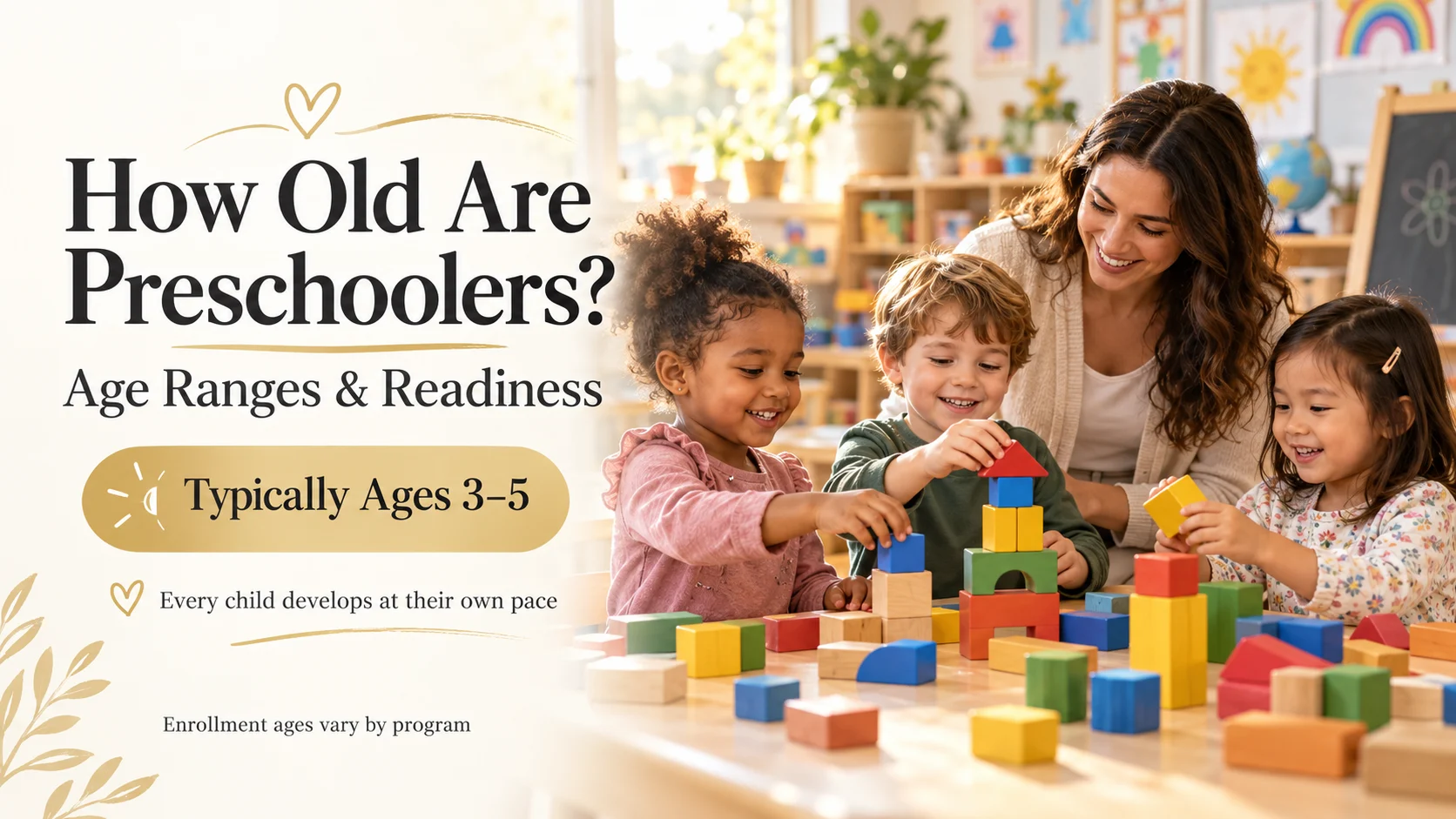
Preschoolers are generally 3 to 5 years old in the United States. Some early learning programs accept children at age 2, while others begin at age 3 or 4. The exact preschool age range depends on the program, its enrollment policies, and your location.
ChildCare.gov describes prekindergarten programs as serving ages 3–5. Preschool usually refers to early education before kindergarten. This guide uses U.S. terminology; other countries may use different names and entry ages.
If you are wondering when your child should start preschool, you are probably thinking about more than a birthday. Will they feel comfortable with a teacher? Do they need to be potty trained? What if they have never spent time away from you?
Start with two questions: Does my child meet the program’s enrollment requirements? And how will this program support their learning and everyday needs? Age determines eligibility for many programs, while the classroom environment, daily schedule, and available assistance help determine whether a setting suits your child.
Preschool Age Ranges at a Glance
Although ages 3–5 are commonly associated with preschool, providers organize their classrooms differently. Some offer toddler programs, while others focus on the year before kindergarten. These are typical arrangements rather than universal enrollment rules.
| Child’s age | Possible setting | What parents should check |
|---|---|---|
| 2 years | Toddler classroom or a program accepting younger preschool children | Minimum age, toileting assistance, rest time, and staffing |
| 3 years | Preschool or an eligible pre-K program | Birthday cutoff, schedule, and transition support |
| 4 years | Preschool or pre-K | Play opportunities, daily activities, and kindergarten transition planning |
| 5 years | Preschool, pre-K, or kindergarten, depending on eligibility | Local kindergarten entry requirements and the program’s upper age limit |

Remember the birthday cutoff: Your child’s age when you apply may differ from their age on the program’s eligibility date. Ask, “How old must my child be, and by what date?”
Example: If a program requires children to be 3 by September 1, a child turning 3 on September 10 would miss that cutoff. This is an illustrative policy, not a nationwide rule. Ask whether the provider offers rolling admission or another suitable classroom.
Preschool vs. Daycare vs. Pre-K vs. Kindergarten
These terms can overlap. A child care center may offer a preschool classroom, and a preschool may provide extended care. Understanding the actual program is more useful than relying on its name.
| Setting | General purpose | Important distinction |
|---|---|---|
| Daycare or child care | Care and supervision, often alongside early learning | Can serve several age groups; hours and activities vary |
| Preschool | Early learning before kindergarten | Often emphasizes play, communication, relationships, and routines |
| Pre-K | Learning experiences before kindergarten | Sometimes means the final preschool year, but programs may serve ages 3–5 |
| Kindergarten | A school grade following the preschool years | Entry depends on local age requirements and birthday cutoffs |
Ask to see the daily schedule. Find out how much time children spend playing, moving, resting, listening to stories, and exploring materials. These details help you understand what your child’s day would involve.
What Age Should a Child Start Preschool?
There is no single preschool starting age that suits every family. Begin with the programs available to you and consider how well their schedules, environments, and support match your child’s needs.
- Does the program accept children of your child’s age?
- Can its schedule accommodate their rest and care needs?
- How do teachers help children who are new to group settings?
- What assistance is available with communication, toileting, and everyday routines?
- Are the hours, location, and fees manageable for your family?
For example, one family might choose a shorter morning session, while another needs a full-day setting with rest time. These arrangements reflect different needs, not how advanced a child is.
Avoid choosing a start date only because another child of the same age has enrolled. Focus on the support your child would receive in the classroom you are considering.
Starting Preschool at 3 vs. 4
Starting at 3 may give a child more time in a preschool setting before kindergarten. Starting at 4 may mean a shorter preschool period, depending on the local kindergarten cutoff. Neither birthday alone tells you which option fits your family. Compare the actual classrooms: their hours, rest arrangements, teacher support, and opportunities for play.
A practical next step: Write down the help your child needs during an ordinary morning, then ask each provider how it would offer that help. A program’s response is more useful than a general promise that a child will become “school ready.”
Preschool Readiness: What Should Parents Consider?
Preschool readiness is a conversation about your child and their learning environment. It should not become a test children must pass perfectly before participating. The following questions can help you share useful information with a teacher.
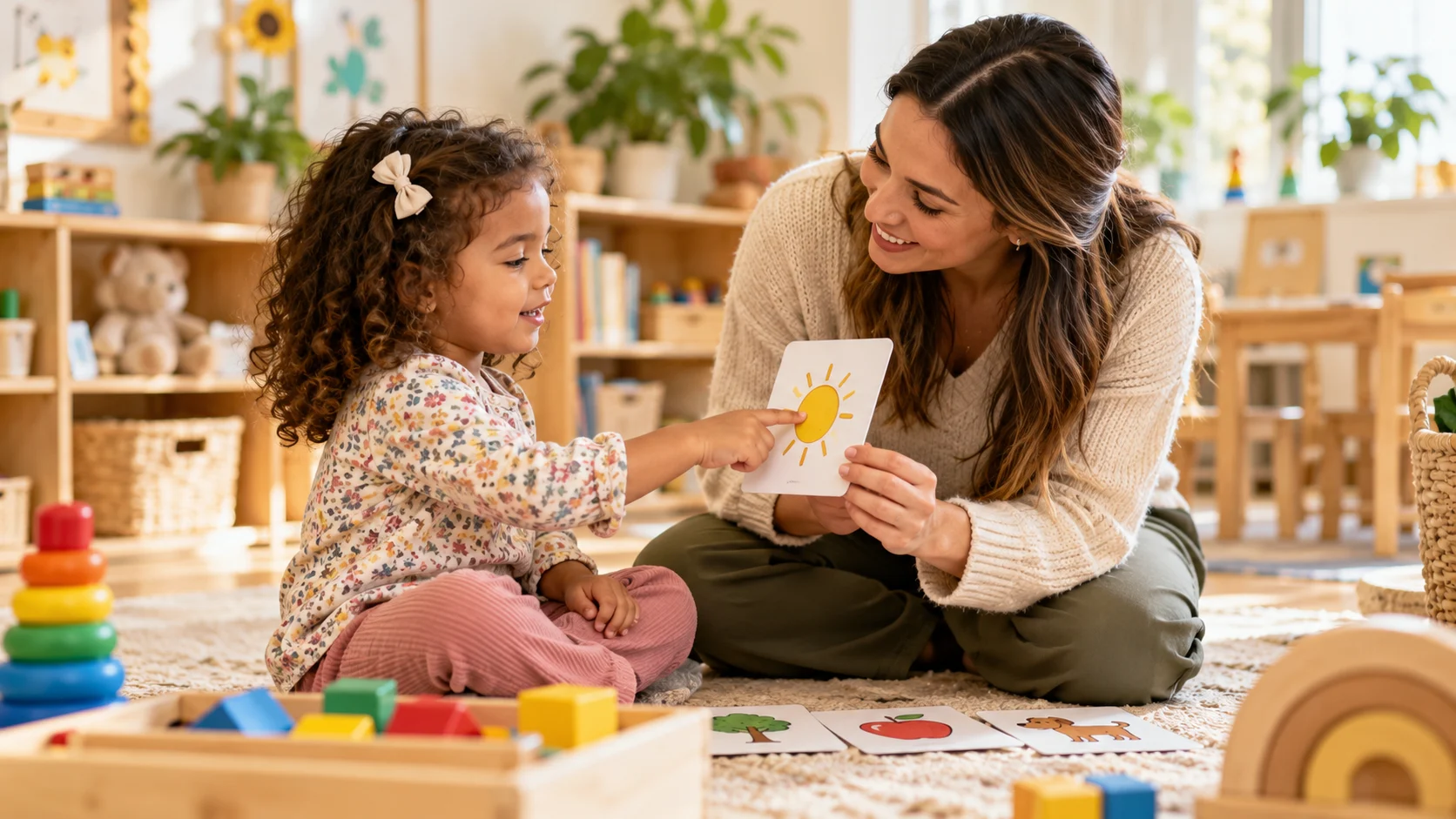
Communication
How does your child express hunger, discomfort, interest, or a need for help? Share the words, gestures, signs, pictures, or devices they use.
Play and interests
Which toys and activities attract their attention? Familiar interests can give a teacher an easy way to connect with your child.
Relationships
What helps your child feel comfortable with an unfamiliar adult or around other children? Explain how they usually approach new situations.
Daily routines
Which routines make transitions easier? Tell staff about familiar cues, rest needs, and ways to prepare your child for a change of activity.
Everyday care
What assistance does your child need with eating, handwashing, dressing, or toileting? Ask how the program provides that support.
Comfort and regulation
What helps when your child feels tired, upset, or overwhelmed? Share approaches that help them feel safe and supported.
Children continue developing after they enroll. Needing help with communication, friendships, or daily routines does not automatically mean a child should wait. Discuss how the program can adapt activities and provide appropriate assistance.
Does a Child Need to Be Potty Trained for Preschool?
Ask the individual program before enrolling. Toileting expectations and the assistance available can differ between settings.
Useful questions include:
- Do you accept children who wear diapers or training pants?
- Will staff help children use the toilet?
- How do you handle accidents?
- What spare clothing should families provide?
- How do you support children with additional toileting needs?
The American Academy of Pediatrics explains that toilet-learning readiness involves several developing abilities and does not arrive at the same age for every child. Understanding a program’s policy early helps you plan without turning an enrollment deadline into pressure on your child.
What If My Child Finds Separation Difficult?
Starting preschool introduces unfamiliar people, spaces, and routines. A difficult goodbye does not, by itself, tell you whether a preschool is the right fit.
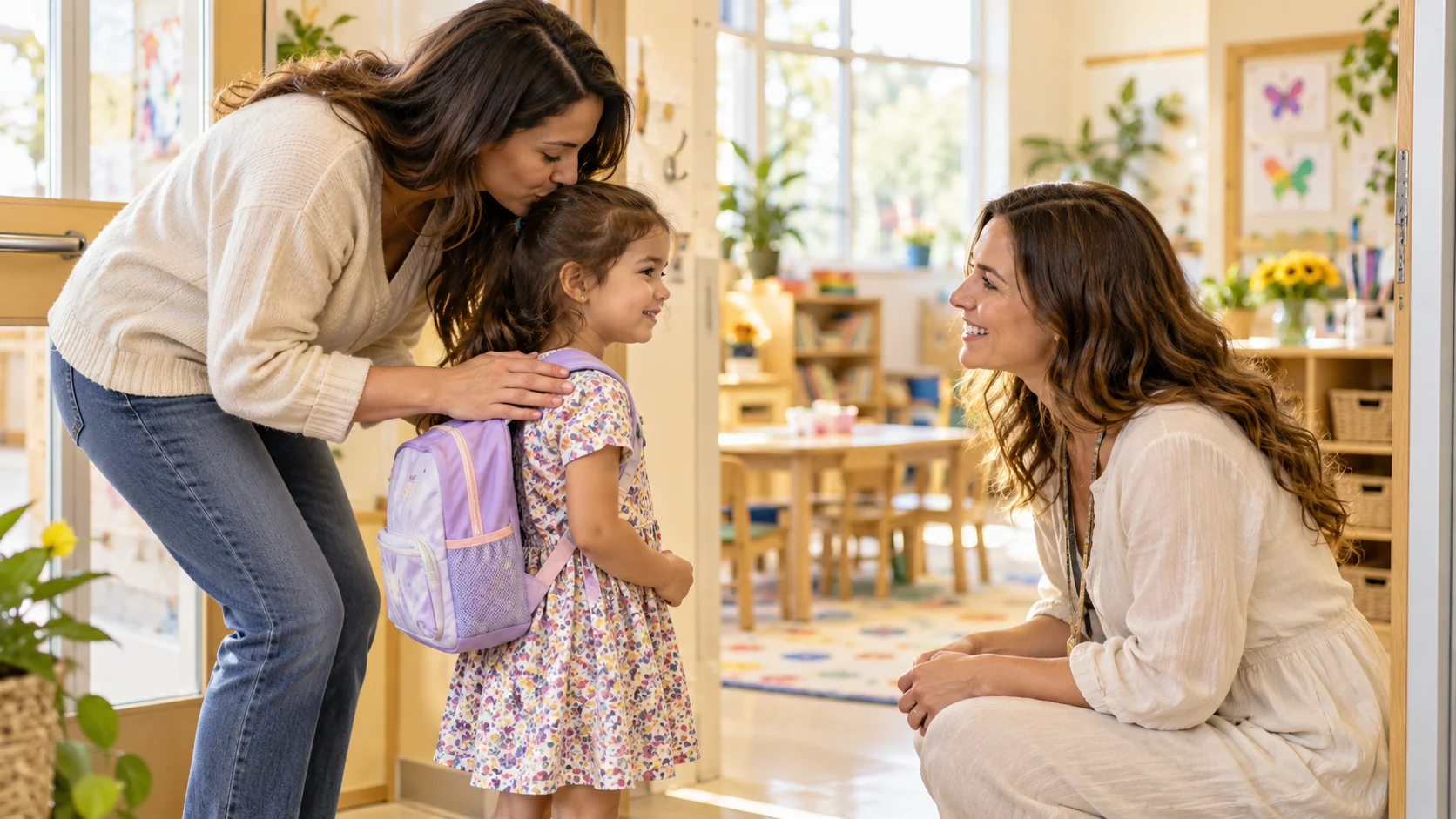
Discuss a transition plan with the teacher. Ask about visiting the classroom beforehand, meeting staff, and bringing a familiar comfort item if permitted.
A simple goodbye might sound like this:
“We’ll have a hug, then you’ll go with your teacher. I’ll come back after lunch.”
Choose a return point that matches the actual schedule. The American Academy of Pediatrics recommends consistent, brief goodbye routines. Keep your goodbye warm and predictable. Explain that you are leaving rather than disappearing without saying goodbye.
Ask the teacher what happens after you leave. Does your child explore, accept comfort, or join an activity? This gives you a fuller picture than the goodbye alone. If distress continues, work with staff to review the transition and available support.
What Do Preschoolers Learn?
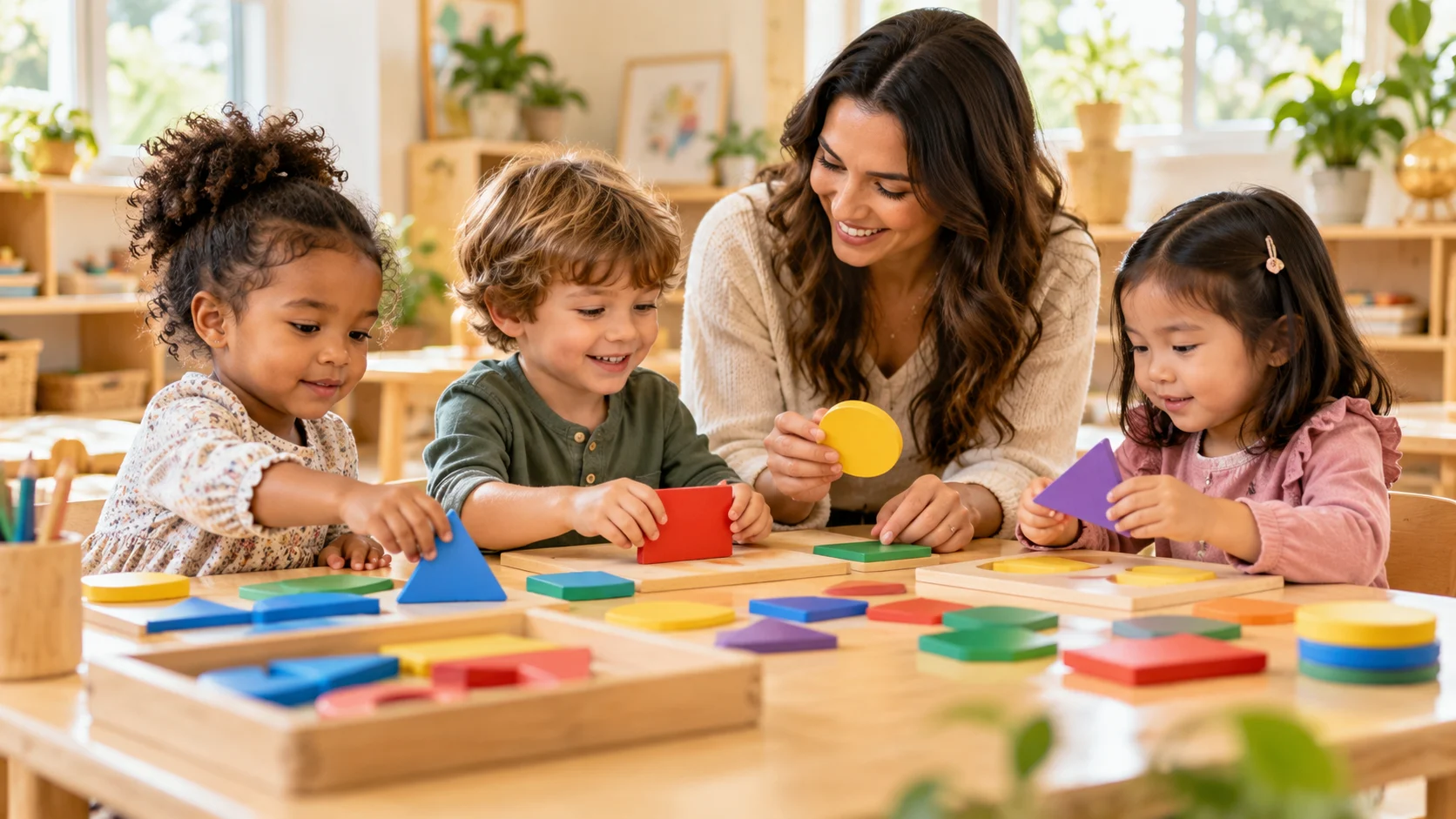
The National Association for the Education of Young Children (NAEYC) describes preschool learning across social, emotional, physical, language, and thinking skills. Preschool learning extends beyond letters and numbers. Children explore ideas through conversation, stories, movement, art, construction, and pretend play.
| Activity | Opportunities to learn |
|---|---|
| Building with blocks | Exploring balance, shapes, space, and problem-solving |
| Pretend play | Using language, sharing ideas, and negotiating roles |
| Drawing and modeling | Expressing ideas and practicing hand movements |
| Songs and stories | Exploring vocabulary, sounds, rhythm, and storytelling |
| Outdoor play | Moving, observing, exploring, and interacting with others |
When visiting a preschool, look beyond completed worksheets. Ask how teachers participate in play, respond to questions, and adapt activities for children with different interests and abilities.
How to Help Your Child Prepare for Preschool
Preparation can happen through familiar, everyday experiences. The aim is to make the new setting easier to understand, without turning home life into a series of school-readiness tests.
1. Talk About What Will Happen
Use simple descriptions: “You’ll play, have a snack, hear a story, and then I’ll pick you up.” Ask the school about its routine so your explanation is accurate.
2. Read Together
Choose picture books about classrooms, friendships, or new experiences. Let your child ask questions and explore the pictures rather than treating the story as a lesson to memorize.

3. Practice Asking for Help
Use words, gestures, or communication supports your child already understands. Tell the teacher which signals to recognize when your child needs assistance.
4. Make Everyday Tasks Familiar
Invite your child to put belongings in a bag, wash their hands, or help tidy toys. Offer assistance when needed and allow time to practice without pressure.
5. Visit the Setting if Possible
Seeing the entrance, classroom, and teacher can give your conversations something concrete to refer to. Ask the program what visits or settling-in arrangements it offers.
6. Share Useful Information With Staff
Explain your child’s interests, comfort strategies, home language, allergies, and support needs. A familiar song or favorite activity may give a teacher a helpful starting point.
Questions to Ask Before Choosing a Preschool
A visit or phone conversation can help you understand whether a program suits your family. Keep these questions handy when comparing options.

- What is the minimum age, and is there a birthday cutoff?
- What does a typical day look like?
- How much time do children spend playing indoors and outdoors?
- What qualifications and experience do teachers have?
- How many children and adults are in the classroom?
- How do you help new children settle in?
- What assistance do you provide with toileting and other care needs?
- How do you include children with disabilities or developmental differences?
- How do you communicate with families?
- What are the fees, hours, and attendance options?
Ask for examples when an answer seems vague. “How would you help a child who finds group activities overwhelming?” can reveal more than a general question about whether the program is supportive.
Frequently Asked Questions
How old are preschoolers in the United States?
Preschoolers are generally 3 to 5 years old. Some programs accept younger children, and others focus on a narrower age group. Check the provider’s minimum age and birthday cutoff.
Can a 2-year-old go to preschool?
Some programs accept 2-year-olds, while others begin at age 3. Ask whether the setting offers a toddler classroom or younger preschool group and what support it provides with rest, toileting, and daily care.
How many years do children attend preschool?
The duration depends on when a child starts and when they enter kindergarten. Starting at 3 and entering kindergarten at 5 can allow about two school years of preschool; starting at 4 can allow about one. Program calendars and birthday cutoffs affect the exact timing.
Is pre-K the same as preschool?
The terms overlap. Pre-K sometimes refers to the year immediately before kindergarten, but providers use the label differently. Confirm the ages served, enrollment requirements, and daily learning approach.
Can a 5-year-old still attend preschool?
Possibly, depending on the child’s birthday and local enrollment rules. Some programs serve 5-year-olds, while others require kindergarten-eligible children to enter kindergarten. Check the relevant program and school district requirements.
Does my child need to read before starting preschool?
Independent reading should not be treated as a general preschool readiness requirement. Ask about any stated entry expectations, and support early learning through conversation, books, play, and exploration.
Does my child need to be potty trained?
Policies differ. Ask whether the program accepts children using diapers or training pants, helps with toileting, and accommodates additional care needs. Confirm the details before enrolling.
What if my child needs additional support?
Discuss your child’s needs with the program before enrollment. Ask about communication supports, accessible activities, care assistance, and coordination with professionals already involved in your child’s learning.
Choosing Your Next Step
Start by confirming the age requirements of a nearby program. Then arrange a visit and discuss your child’s routines, interests, and support needs. A useful preschool decision considers both eligibility and how the setting will help your child participate, feel secure, and learn.
Sources and Scope
This guide draws on the following educational resources:
- ChildCare.gov — PreKindergarten Programs.
- National Association for the Education of Young Children — What Do Children Learn in a High-Quality Preschool Program?
- American Academy of Pediatrics, HealthyChildren.org — How to Ease Your Child’s Separation Anxiety.
- American Academy of Pediatrics, HealthyChildren.org — How to Tell When Your Child is Ready, covering toilet-training readiness.
Age ranges describe common U.S. arrangements, not eligibility for every school. Confirm current admission dates, toileting policies, and available support directly with your chosen program. Images are AI-generated illustrations of preschool experiences.