Finding the right teaching resources should make classroom preparation easier, not create more work. Whether you’re planning a kindergarten literacy lesson, organizing math centers, or exploring digital learning tools, you need materials that are easy to understand, appropriate for your students, and ready to use.
But an attractive worksheet or popular educational brand does not automatically mean a resource will improve learning. The best starting point is understanding what your students need to practice and choosing materials that support that goal.
This guide explains how to select classroom resources, compare different types of materials, and use them effectively without spending hours preparing lessons.
What Are Teaching Resources?
Teaching resources are materials, tools, and activities that help teachers explain concepts, organize lessons, and give students opportunities to practice new skills.
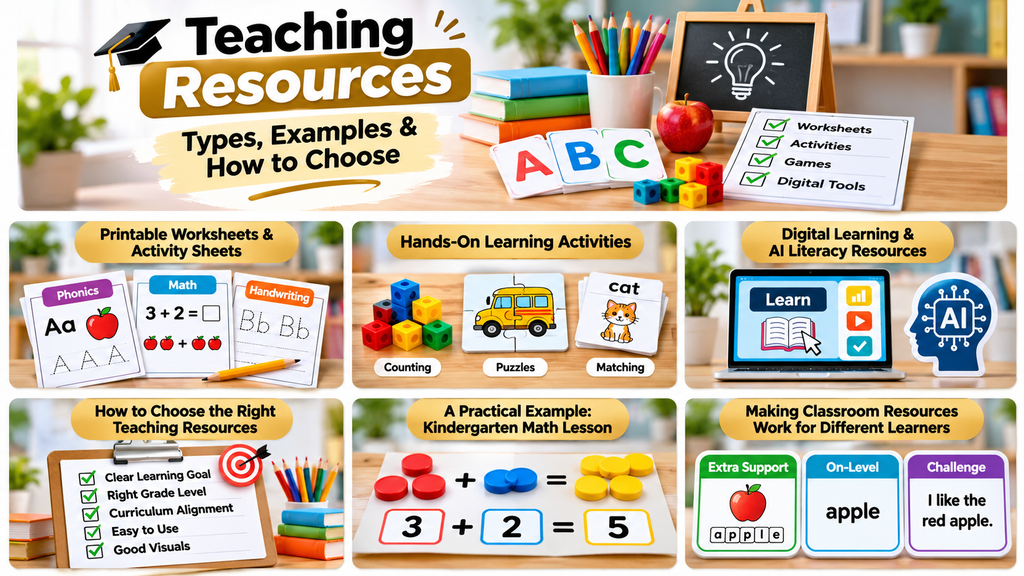
They can include printable worksheets, flashcards, educational games, lesson plans, visual aids, manipulatives, and digital learning platforms.
For example, a kindergarten teacher introducing addition might use counters to demonstrate a problem, picture cards for guided practice, and a short worksheet to check understanding.
Each resource serves a different purpose, but all three support the same learning goal.
The important question isn’t how many materials you have. It’s whether each one helps students learn.
Types of Teaching Resources for the Classroom
Different classroom activities require different learning materials. Understanding their purposes helps teachers select resources without collecting worksheets they may never use.
Printable Worksheets and Activity Sheets
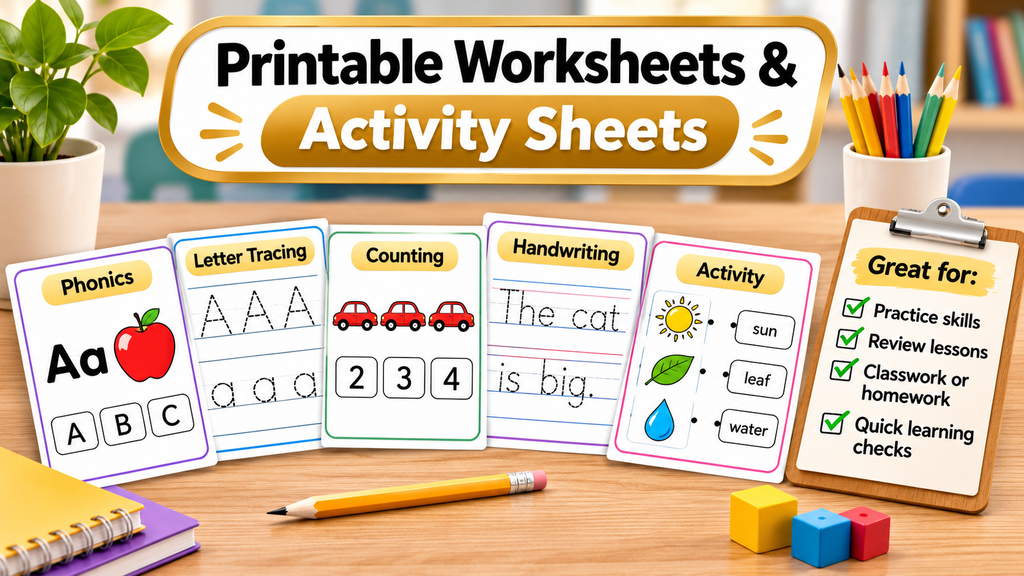
Printable materials are useful for independent practice, homework, review, and quick learning checks.
Common examples include:
- Letter recognition and phonics worksheets
- Number tracing and counting activities
- Reading comprehension passages
- Handwriting and spelling practice
- Basic addition and subtraction exercises
For younger children, one focused activity is usually easier to manage than a crowded page containing several unrelated tasks.
Hands-On Learning Activities
Choose worksheets with clear instructions, readable text, and enough space for students to complete their answers.
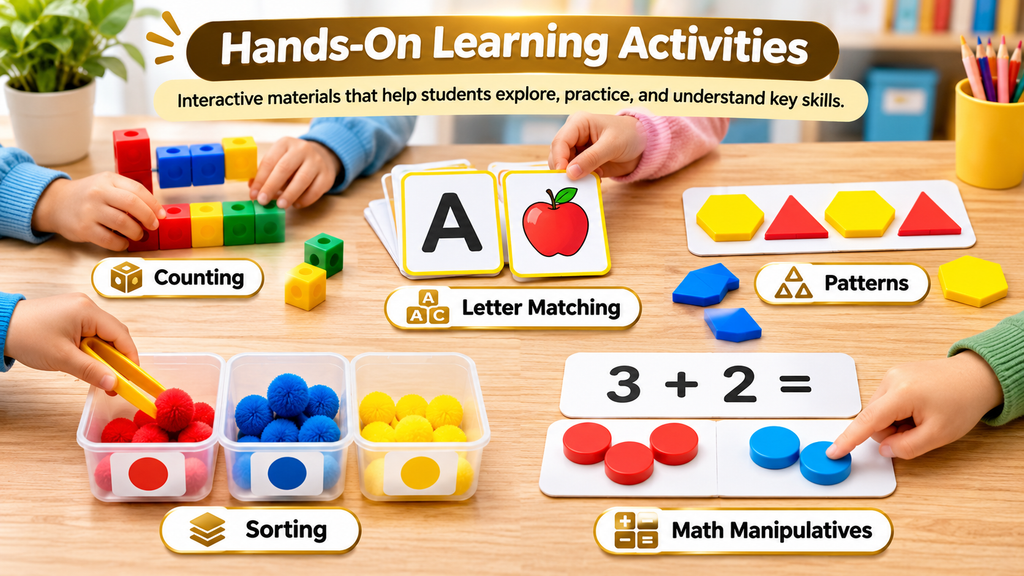
Young learners often benefit from opportunities to handle objects, sort information, and physically demonstrate what they understand.
Counting blocks, matching cards, number puzzles, and picture sorting activities allow students to practice concepts in a more interactive way.
For example, instead of asking a child to complete ten addition problems immediately, give them five counters and ask them to show different ways to make five.
The activity makes the relationship between numbers visible before the student moves to written exercises.
Digital Learning and AI Literacy Resources
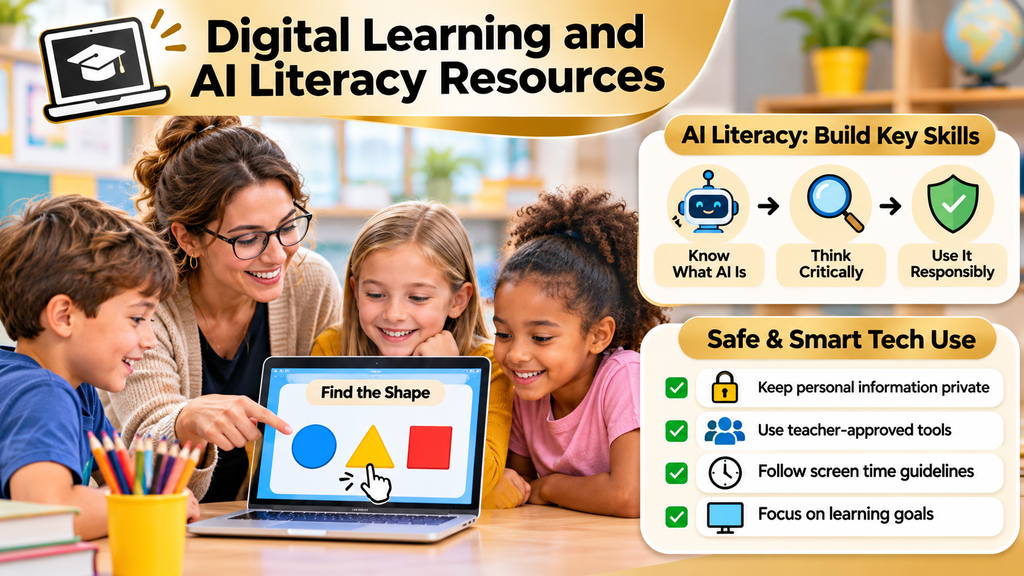
Digital materials can support classroom demonstrations, interactive practice, and technology-related lessons.
Some resources focus on subject knowledge, while others help children understand technology itself.
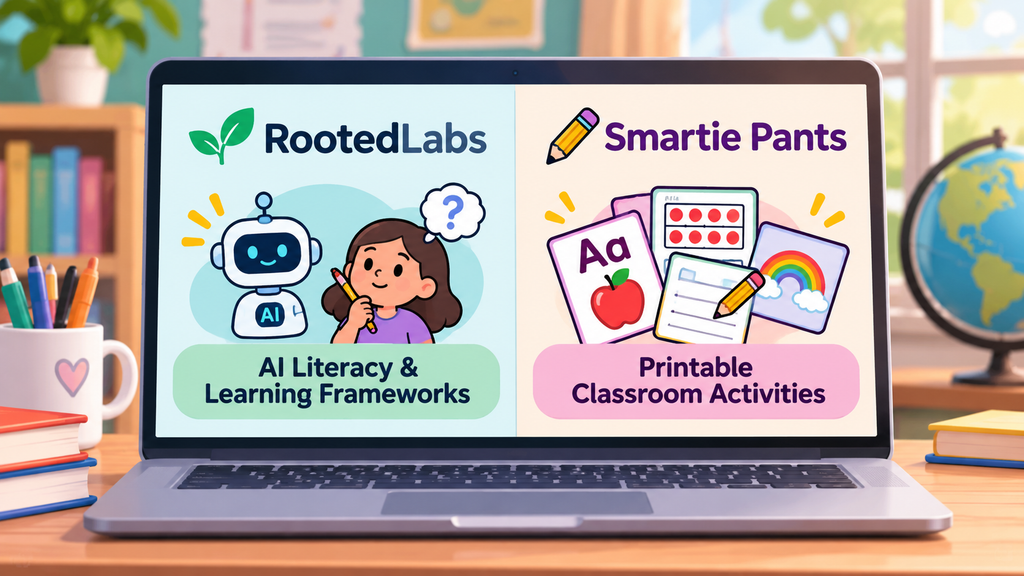
For example, RootedLabs develops human-first AI literacy and educational learning frameworks for children, teachers, and schools.
When considering digital resources, check the recommended age group, learning objectives, student privacy requirements, and whether the activities can be completed with the technology available in your classroom.
Digital tools should support the lesson rather than replace the teacher’s explanation and feedback.
Where Can Teachers Find Classroom Materials?
Teachers often discover materials through educational marketplaces, school curriculum providers, teacher communities, and searches for specific resource brands.
However, not every brand offers the same type of material.
RootedLabs: AI Literacy and Learning Frameworks
RootedLabs focuses on AI literacy and educational frameworks that encourage thoughtful engagement with artificial intelligence.
Teachers exploring this area should look for resources that explain what AI can and cannot do, encourage students to question AI-generated information, and support age-appropriate learning.
Before choosing any AI literacy activity, review its lesson objectives, grade suitability, and requirements for student technology use.
Smartie Pants: Printable Classroom Activities
Smartie Pants is also the name of a Teachers Pay Teachers resource store offering materials for early childhood and elementary classrooms.
Its catalog includes kindergarten math and literacy centers, spelling templates, writing activities, classroom decorations, and social stories.
For teachers interested in these materials, the most useful starting point is the specific skill they want to teach.
If your students are practicing beginning sounds, search for phonics resources rather than purchasing a general classroom bundle.
Review the product preview, grade level, included pages, and printing requirements before making a decision.
Because multiple educational products and businesses can share similar names, confirm that you’ve found the intended brand before downloading or purchasing materials.
How to Choose the Right Teaching Resources
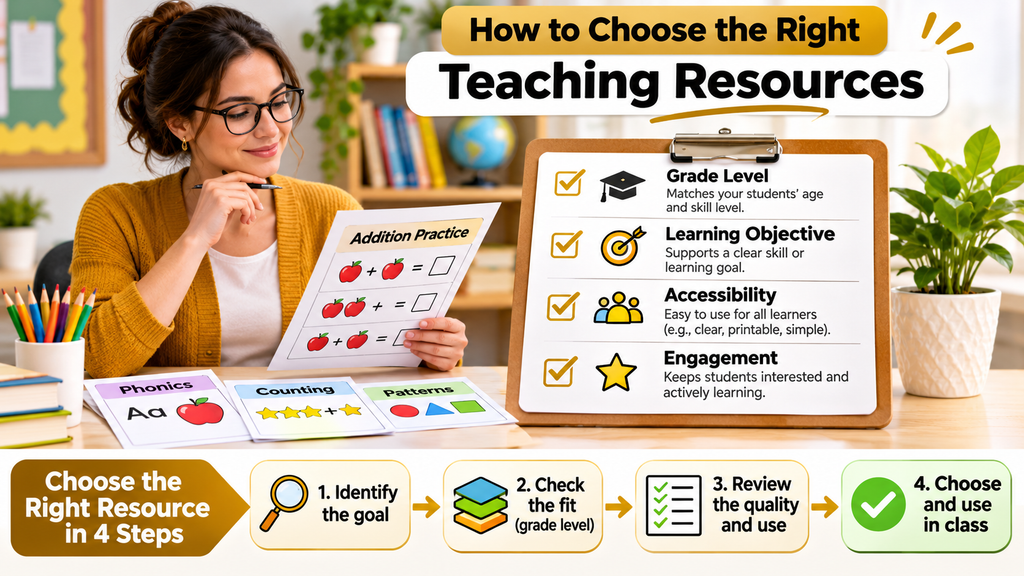
A resource may look colorful and engaging but still be unsuitable for the class. Use the following checks to make better decisions.
1. Identify the Learning Objective
Start by asking what students should know or be able to do when the lesson ends.
For example:
Learning goal: Students will identify the beginning sound in familiar words.
Suitable resource: Picture cards showing a ball, sun, cat, and dog that students can match to their initial sounds.
Less suitable resource: A worksheet requiring students to write complete sentences before they can confidently identify letter sounds.
The learning objective should determine the material, not the other way around.
2. Check the Grade Level and Difficulty
Resources labeled for kindergarten may still differ significantly in difficulty.
A child learning letter names needs different support from a child beginning to blend sounds into words.
Preview several questions or activities before using the material. Look for instructions students can understand and a level of challenge that supports their current learning.
3. Check Curriculum Alignment
A good classroom activity should reinforce the learning expectations used by your school or district.
Look beyond claims such as “standards aligned.” Check which specific skill the resource teaches and whether its examples accurately represent that skill.
For core reading or math instruction, follow your school’s approved curriculum and use supplementary resources to reinforce—not replace—the intended instruction.
4. Look for Clear Visuals and Instructions
Useful visuals help children recognize, compare, sequence, or understand information.
A worksheet about plant growth, for example, becomes easier to follow when students can see recognizable pictures of a seed, sprout, young plant, and mature plant.
Avoid materials with distracting decorations, confusing labels, or small text that makes the actual task difficult to identify.
5. Consider Preparation Time
Before downloading, ask yourself:
- Can students understand the activity with a short explanation?
- Do I need to print, laminate, cut, or assemble anything?
- Can the activity be reused?
- Will I need additional supplies?
- Is there a simple way to check student answers?
A five-minute activity requiring an hour of preparation may not be the best choice for a busy school day.
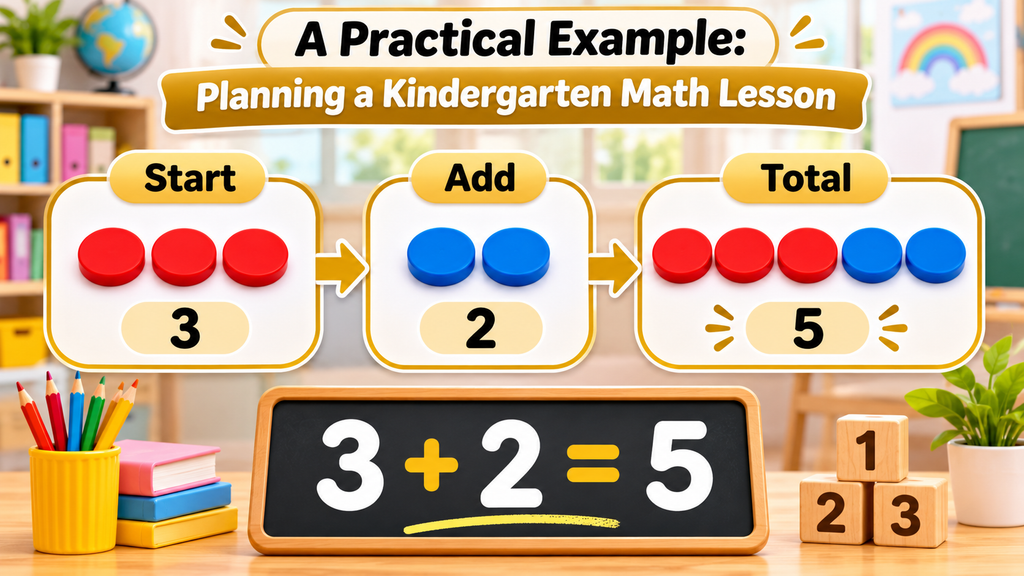
A Practical Example: Planning a Kindergarten Math Lesson
Suppose your students are learning addition within ten.
Instead of collecting several unrelated worksheets, prepare three connected activities.
First, demonstrate the concept. Place three counters on a table, add two more, and ask students to count the total.
Next, provide guided practice. Give pairs of students counters and number cards. Ask them to create and solve simple addition problems.
Finally, check understanding. Use a short worksheet with pictures and number sentences. Observe which students can solve the problems independently and which still rely on counting objects.
This approach allows the resources to work together. The counters demonstrate the concept, the cards provide practice, and the worksheet helps you identify what students understand.
Free vs. Paid Teaching Resources: Which Should You Choose?
Free resources can work well for occasional practice, lesson introductions, and simple classroom activities.
Paid materials may offer larger activity collections, differentiated versions, editable templates, or more extensive preparation guides.
However, price does not guarantee quality.
| Choose free resources when… | Consider paid resources when… |
|---|---|
| You need one specific worksheet | You need a complete activity collection |
| You’re testing a new activity | You’ve reviewed the material and know it fits |
| The lesson requires minimal preparation | Reusable materials could reduce preparation |
| A free option fully meets the objective | The paid option adds useful instructional value |
Always preview the material and check its usage license, printing needs, and suitability before purchasing.
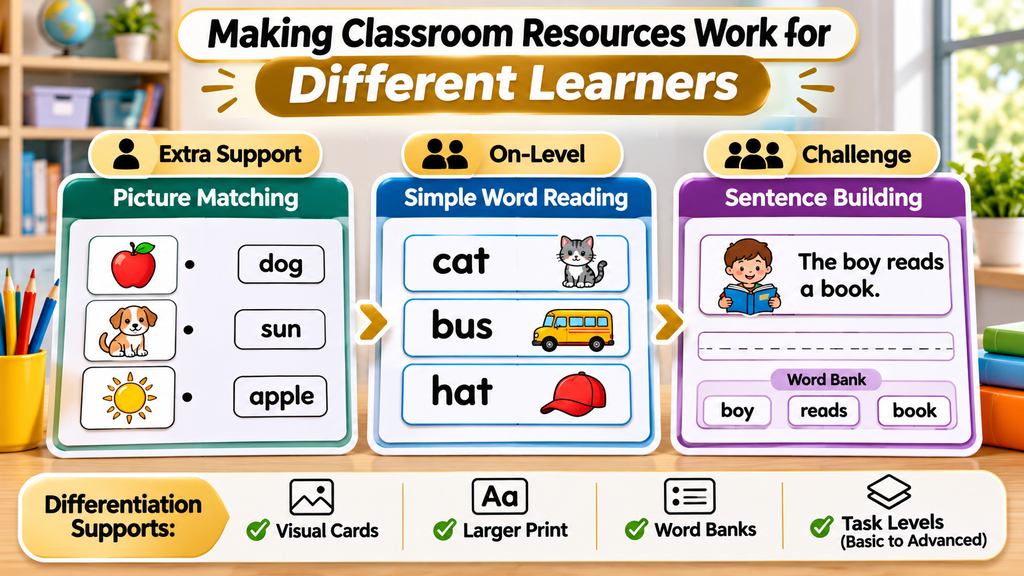
Making Classroom Resources Work for Different Learners
Students may be working toward the same learning objective while needing different levels of support.
For a reading activity, one student might match pictures to initial sounds, another might read short words, and a third might use those words in sentences.
Teachers can also make activities more accessible by providing larger text, clear visual instructions, fewer questions per page, or additional time.
For multilingual learners, introducing key vocabulary using pictures and spoken examples can make an unfamiliar activity easier to understand.
Keep the intended learning goal clear while adjusting the amount of support students receive.
Frequently Asked Questions
What are the most useful teaching resources for elementary teachers?
Useful resources include grade-appropriate lesson plans, printable worksheets, flashcards, hands-on learning activities, visual aids, and assessment materials. The right choice depends on the lesson objective and students’ needs.
Where can teachers find free classroom resources?
Teachers can explore educational resource marketplaces, official curriculum websites, school-provided platforms, and free materials published by educators. Check accuracy, grade suitability, and usage permissions before using them.
Are printable worksheets enough for effective learning?
Worksheets can help students practice and demonstrate knowledge, but they should not be the only teaching method. Explanation, modeling, guided practice, discussion, and feedback are also important.
How do teachers know whether a resource is appropriate?
Check its learning objective, difficulty, accuracy, curriculum alignment, accessibility, preparation requirements, and instructions. Reviewing sample pages is especially helpful.
Should teachers use AI-powered educational materials?
AI-supported materials may be useful when carefully reviewed by the teacher. Verify their accuracy, check school policies and student privacy requirements, and ensure the activity supports genuine student learning.
Final Thoughts
Finding effective teaching resources becomes easier when you begin with your students rather than the number of available products.
Choose materials that support a specific skill, provide clear instructions, and fit your classroom’s needs. Whether you’re using printable activities, hands-on games, or digital learning tools, focus on what students will understand and practice.
A small collection of carefully selected materials can be more useful than a large collection of activities with no clear learning purpose.