
The Caldecott Medal is one of the most respected awards in American children’s literature. Each year, it recognizes outstanding artistic achievement in picture-book illustration. For teachers, parents, and librarians, Caldecott-winning books offer opportunities to explore imaginative storytelling, memorable artwork, and visual literacy.
Have you ever noticed a gold medal on the cover of a children’s picture book and wondered what it means? That seal may indicate that the book has received the prestigious Caldecott Medal.
From its first award in 1938 to the latest winners in 2026, the medal has celebrated the importance of illustration in children’s reading experiences. This guide explains its history, selection process, famous winners, and educational value.
What Is the Caldecott Medal?
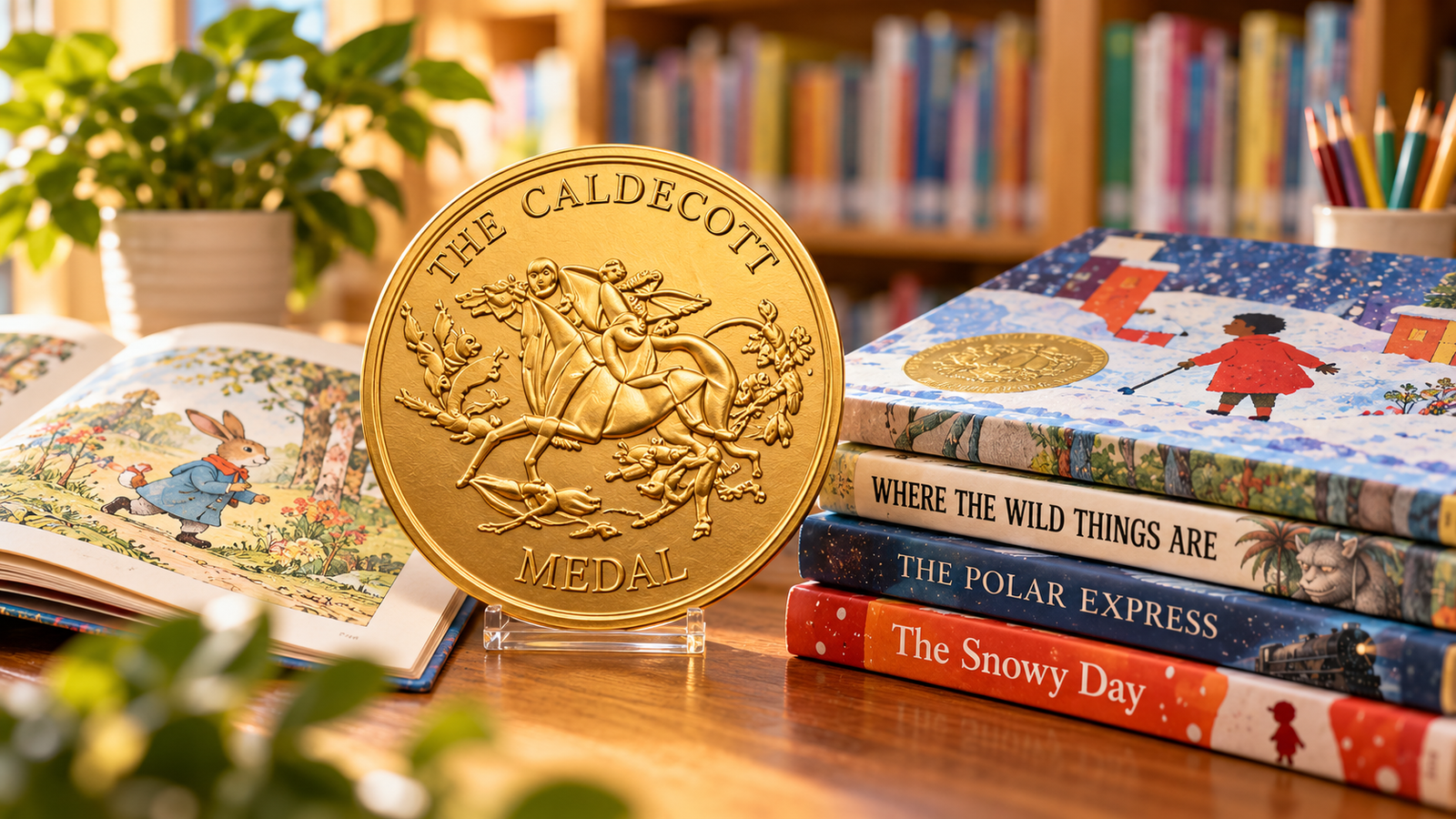
The Caldecott Medal, formally known as the Randolph Caldecott Medal, is an annual American award presented to the illustrator of the most distinguished American picture book for children published during the preceding year.
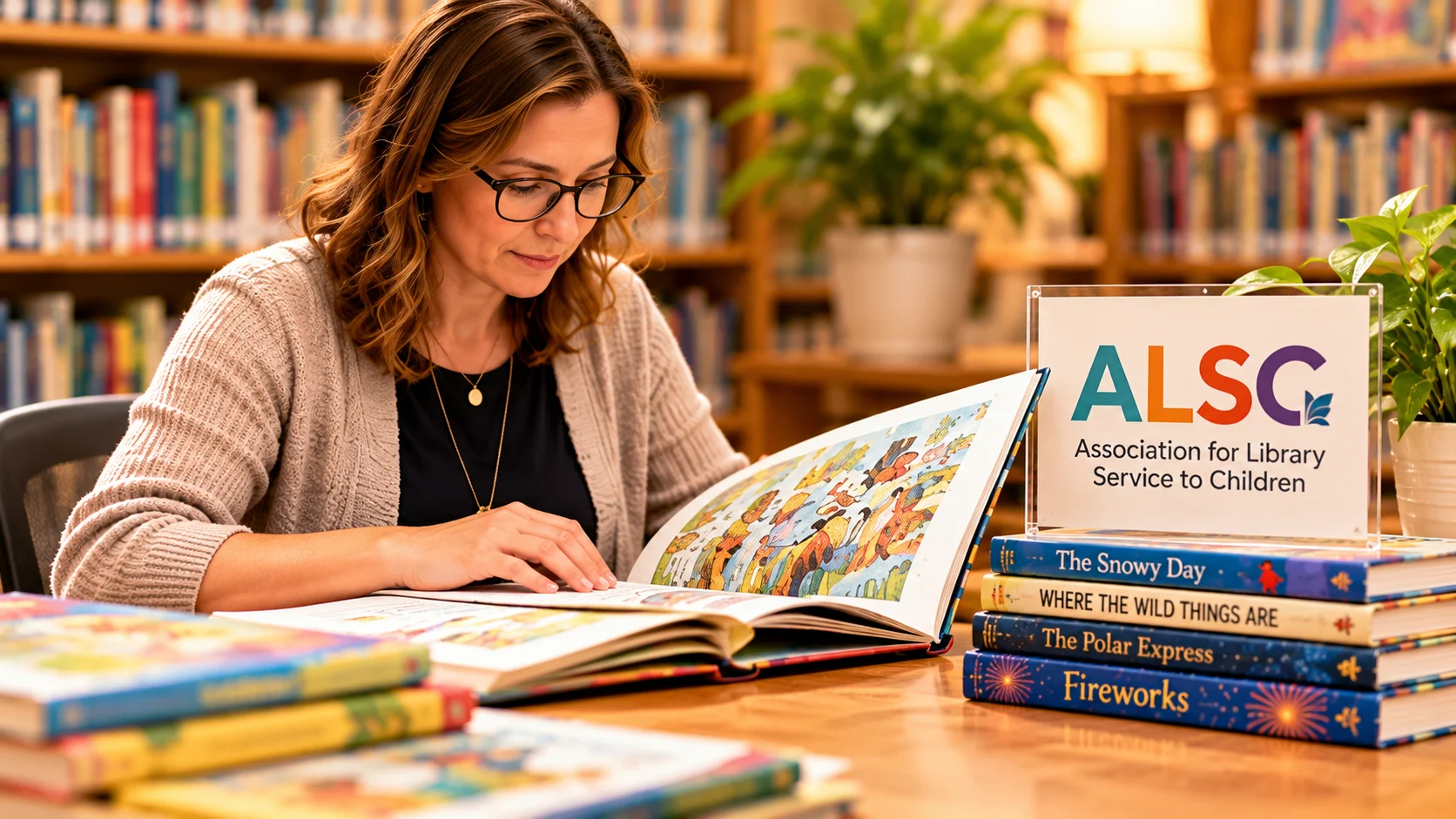
The medal is administered by the Association for Library Service to Children (ALSC), a division of the American Library Association (ALA).
Unlike awards that primarily celebrate writing, the Caldecott Medal recognizes excellence in visual storytelling. Judges consider how illustrations communicate emotions, characters, settings, movement, and ideas.
| Feature | Details |
|---|---|
| Full Name | Randolph Caldecott Medal |
| First Awarded | 1938 |
| Frequency | Annually |
| Administered By | ALSC / American Library Association |
| Recognizes | Distinguished picture-book illustration |
| Recipient | Illustrator |
| Eligible Audience | Children through age 14 |
| 2026 Winner | Cátia Chien, Fireworks |
Why Is the Caldecott Medal Important?
Illustrations are an essential part of children’s picture books. They communicate emotions, introduce characters, establish settings, and develop stories even before children can read independently.
Artistic Excellence
Recognizes exceptional artistic skill, creativity, composition, and visual storytelling.
Visual Literacy
Encourages children to interpret expressions, visual clues, details, and illustrated narratives.
Different Art Styles
Introduces readers to watercolor, collage, painting, and other illustration techniques.
Reading Engagement
Provides opportunities for discussion, observation, imagination, and shared reading.
However, a Caldecott-winning book is not automatically appropriate for every child. Parents and teachers should consider its themes, complexity, and intended age group.
History of the Caldecott Medal
The Caldecott Medal was established in 1937 as children’s literature specialists recognized the importance of illustration in picture books. Its first award was presented in 1938.
Before the Caldecott Medal existed, the American Library Association had already introduced the Newbery Medal in 1922 to recognize distinguished children’s literature.
The creation of the Caldecott Medal provided a separate honor focused on illustrated picture books.
Caldecott Medal Timeline
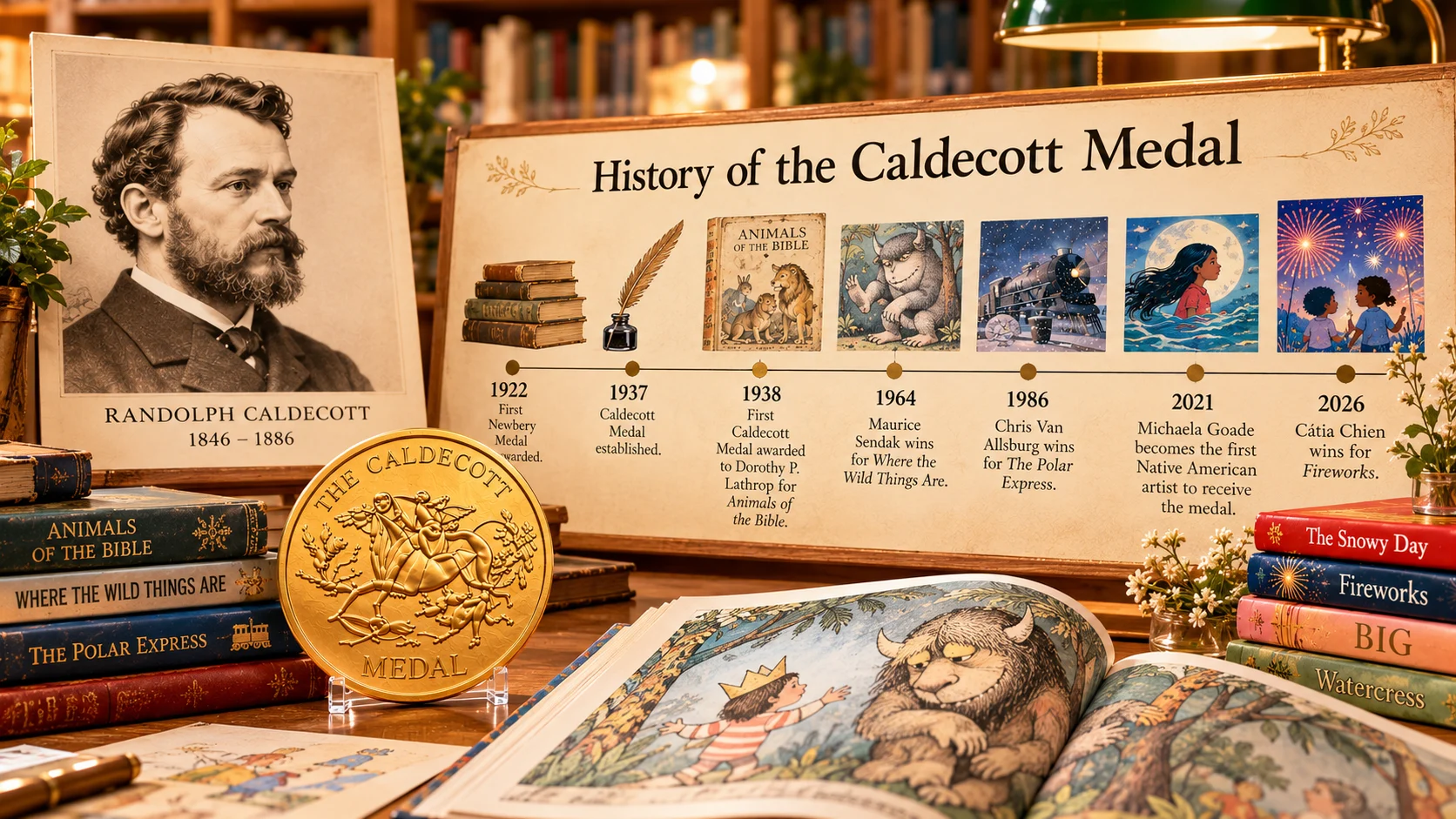
1922: First Newbery Medal awarded.
1937: Caldecott Medal established.
1938: Dorothy P. Lathrop receives the first Caldecott Medal for Animals of the Bible.
1964: Maurice Sendak wins for Where the Wild Things Are.
1986: Chris Van Allsburg wins for The Polar Express.
2021: Michaela Goade becomes the first Native American artist to receive the medal.
2026: Cátia Chien wins for Fireworks.
Who Was Randolph Caldecott?
Randolph Caldecott (1846–1886) was an English artist and illustrator best known for his contributions to children’s illustrated books.
His artwork was admired for its expressive characters, humor, movement, and ability to communicate ideas through pictures.
Rather than simply repeating the written story, Caldecott’s illustrations could add meaning, action, and character. This approach helped influence the development of modern picture-book storytelling.
The medal bears Randolph Caldecott’s name because of his significant influence on the art of illustrating books for children.
What Is ALSC Caldecott?
The term ALSC Caldecott refers to the Caldecott Medal administered by the Association for Library Service to Children, a division of the American Library Association.
ALSC supports library services for children and administers several important children’s literature and media awards.
ALSC’s Role in the Caldecott Medal
- Establishing award eligibility and evaluation criteria.
- Organizing the professional selection committee.
- Supporting the annual award process.
- Announcing Medal and Honor recipients.
- Maintaining records of previous winners.
The winner is chosen through professional evaluation, not a public popularity vote.
How Are Caldecott Medal Winners Selected?
Every year, the Caldecott selection committee evaluates eligible picture books published in the United States during the preceding calendar year.
Basic Eligibility Requirements
- The book must be a picture book intended for children.
- It must have been published in the United States during the eligible year.
- The illustrator must be a United States citizen or resident.
- The work must satisfy the award’s originality and other formal eligibility requirements.
- The illustrations must form an important part of the child’s picture-book experience.
What Do Judges Look For?
| Criterion | What It Means |
|---|---|
| Artistic Technique | Skillful use of artistic media and methods. |
| Visual Storytelling | How successfully pictures express the story or concept. |
| Artistic Style | Suitability of the visual style to the book. |
| Visual Elements | Effective portrayal of characters, setting, mood, and information. |
| Child Audience | Quality of the visual experience for intended child readers. |
Commercial popularity or sales figures do not determine the award. The committee primarily considers excellence in illustration.
Caldecott Medal Winners by Year
The Caldecott Medal recognizes one winning illustrator each year. The following table highlights recent winners from 2019 through 2026.
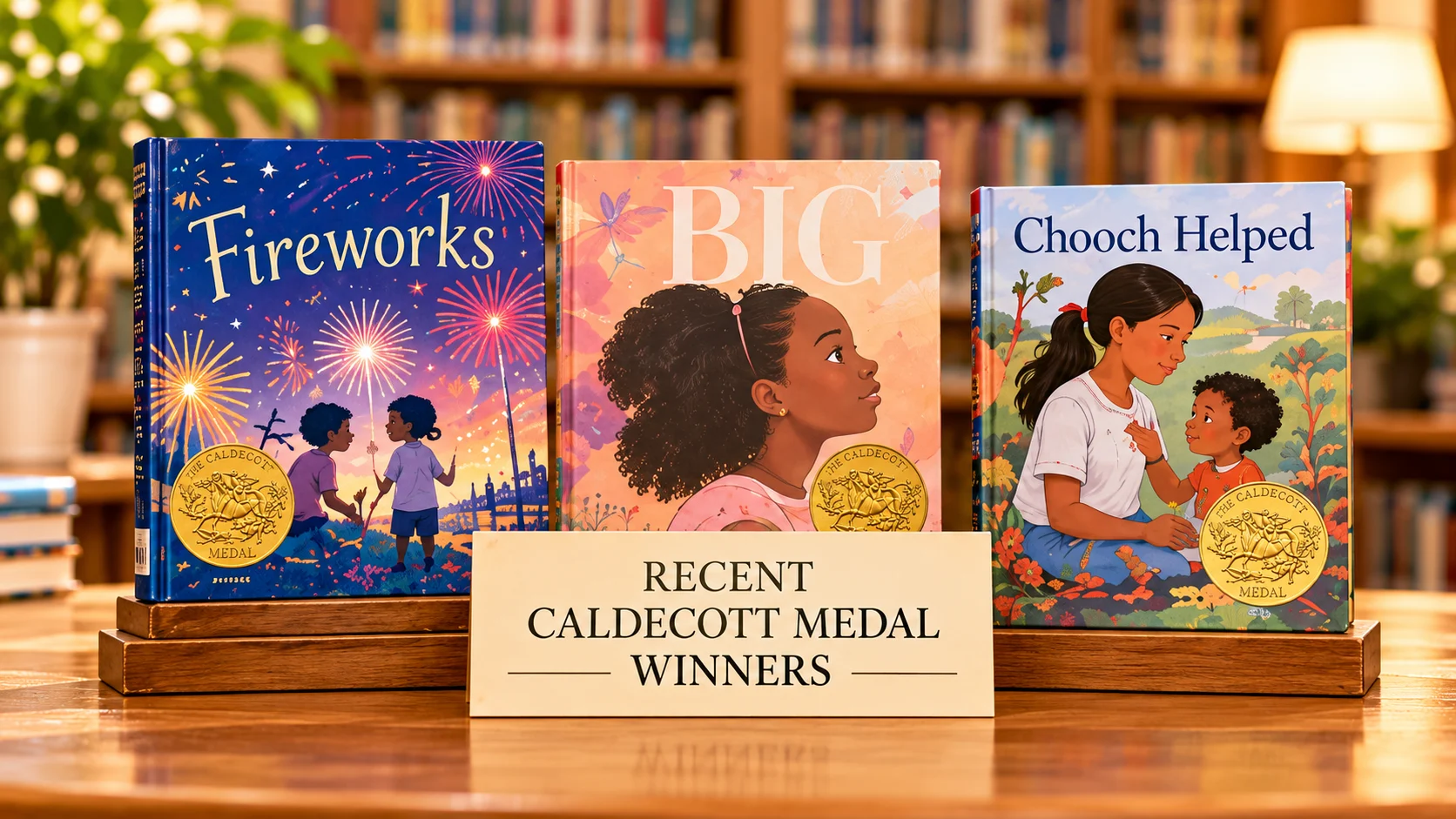
| Year | Winning Book | Illustrator |
|---|---|---|
| 2026 | Fireworks | Cátia Chien |
| 2025 | Chooch Helped | Rebecca Lee Kunz |
| 2024 | Big | Vashti Harrison |
| 2023 | Hot Dog | Doug Salati |
| 2022 | Watercress | Jason Chin |
| 2021 | We Are Water Protectors | Michaela Goade |
| 2020 | The Undefeated | Kadir Nelson |
| 2019 | Hello Lighthouse | Sophie Blackall |
2026 Caldecott Medal Winner: Fireworks
In 2026, Cátia Chien received the Caldecott Medal for illustrating Fireworks, written by Matthew Burgess.
The book follows two children experiencing a hot summer day in the city. Its expressive illustrations capture movement, excitement, and anticipation as the day builds toward a fireworks celebration.
2025 Caldecott Medal Winner: Chooch Helped
Rebecca Lee Kunz received the 2025 medal for illustrating Chooch Helped, written by Andrea L. Rogers. The book explores family relationships and Cherokee cultural traditions through a story about a young girl and her little brother.
2024 Caldecott Medal Winner: Big
Vashti Harrison received the 2024 medal for Big, which she wrote and illustrated. The book uses visual scale and expressive compositions to explore self-image, judgment, and emotional experiences.
Famous Caldecott Medal-Winning Books
Several Caldecott-winning books have become influential examples of children’s illustration. These titles provide useful starting points for teachers and families.
1. The Snowy Day (1963)
Author and Illustrator: Ezra Jack Keats
The Snowy Day follows Peter as he explores his neighborhood after a snowfall. The colorful collage artwork captures the excitement of childhood discovery.
Classroom use: Seasons, observation, visual storytelling, and sequencing.
2. Where the Wild Things Are (1964)
Author and Illustrator: Maurice Sendak
This imaginative story follows Max as he enters a world of mysterious creatures. The illustrations help express emotions and distinguish between everyday life and fantasy.
Classroom use: Emotions, imagination, characters, and interpreting pictures.
3. The Polar Express (1986)
Author and Illustrator: Chris Van Allsburg
A young boy takes a magical train journey on Christmas Eve. Detailed illustrations and atmospheric lighting create a memorable feeling of mystery and wonder.
Classroom use: Setting, mood, imagination, and artistic lighting.
4. The Invention of Hugo Cabret (2008)
Author and Illustrator: Brian Selznick
This distinctive story combines sequences of illustrations with written passages. It shows how images can carry important parts of a narrative independently.
Classroom use: Visual narrative and picture analysis for older students.
5. We Are Water Protectors (2021)
Illustrator: Michaela Goade
Author: Carole Lindstrom
Inspired by Indigenous-led movements to protect water, this book uses flowing imagery, rich colors, and visual patterns to communicate its environmental message.
Classroom use: Environmental awareness, community, and visual symbolism.
Caldecott Medal vs. Caldecott Honor Books
Some children’s books display a gold Caldecott seal, while others display a silver seal. These indicate different distinctions.
The Caldecott Medal recognizes the annual winning illustrator. Caldecott Honor Books receive additional recognition from the selection committee for distinguished illustration.
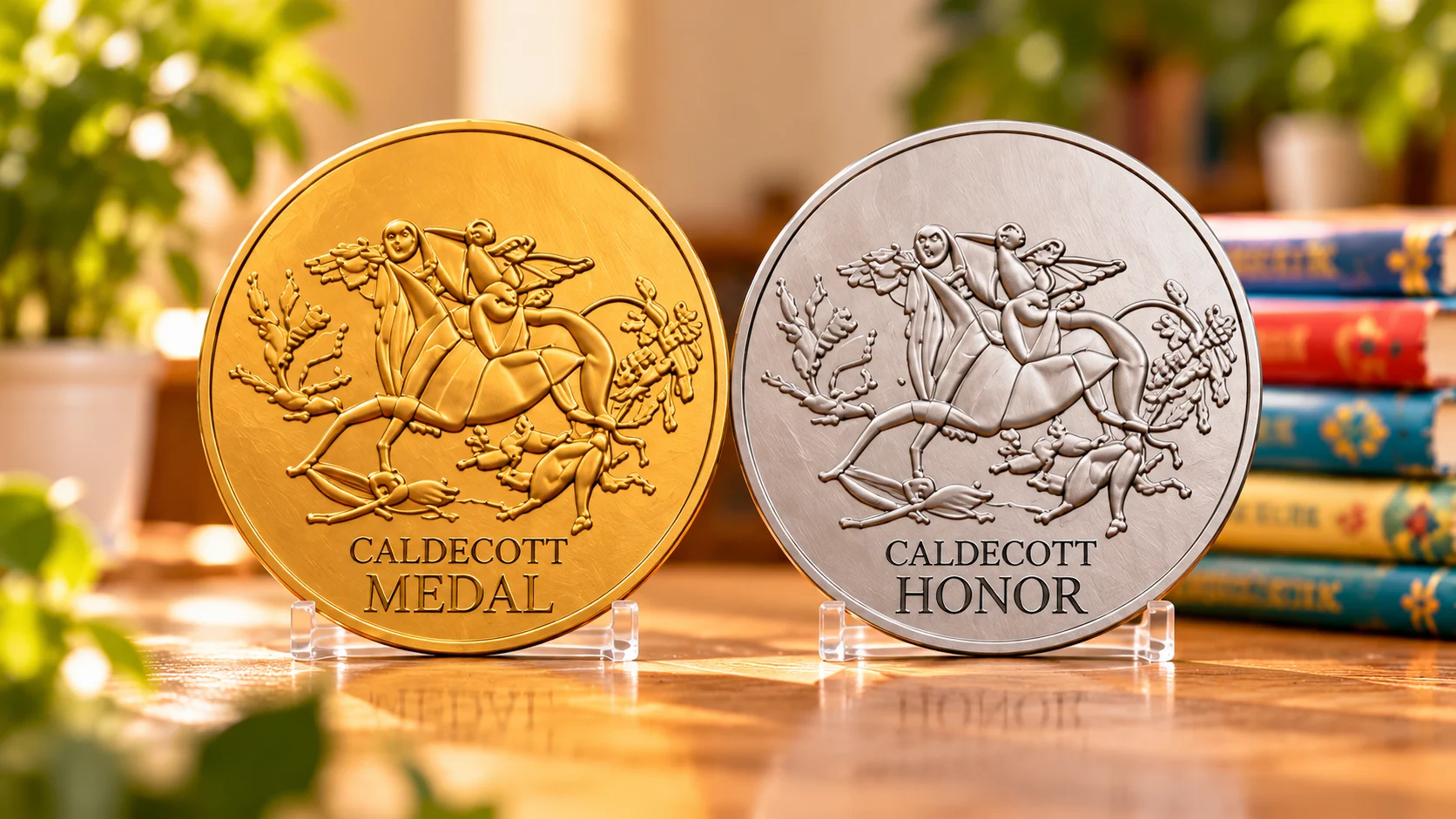
| Feature | Medal | Honor |
|---|---|---|
| Recognition | Annual winner | Additional distinguished books |
| Seal | Gold | Silver |
| Number | One per year | May vary |
| Selected By | Caldecott committee | Caldecott committee |
Both Medal and Honor books can be valuable resources for exploring visual storytelling and artistic creativity.
Caldecott Medal vs. Newbery Medal
The Caldecott and Newbery Medals are two major honors in American children’s literature. Both are administered by ALSC, but they recognize different creative achievements.
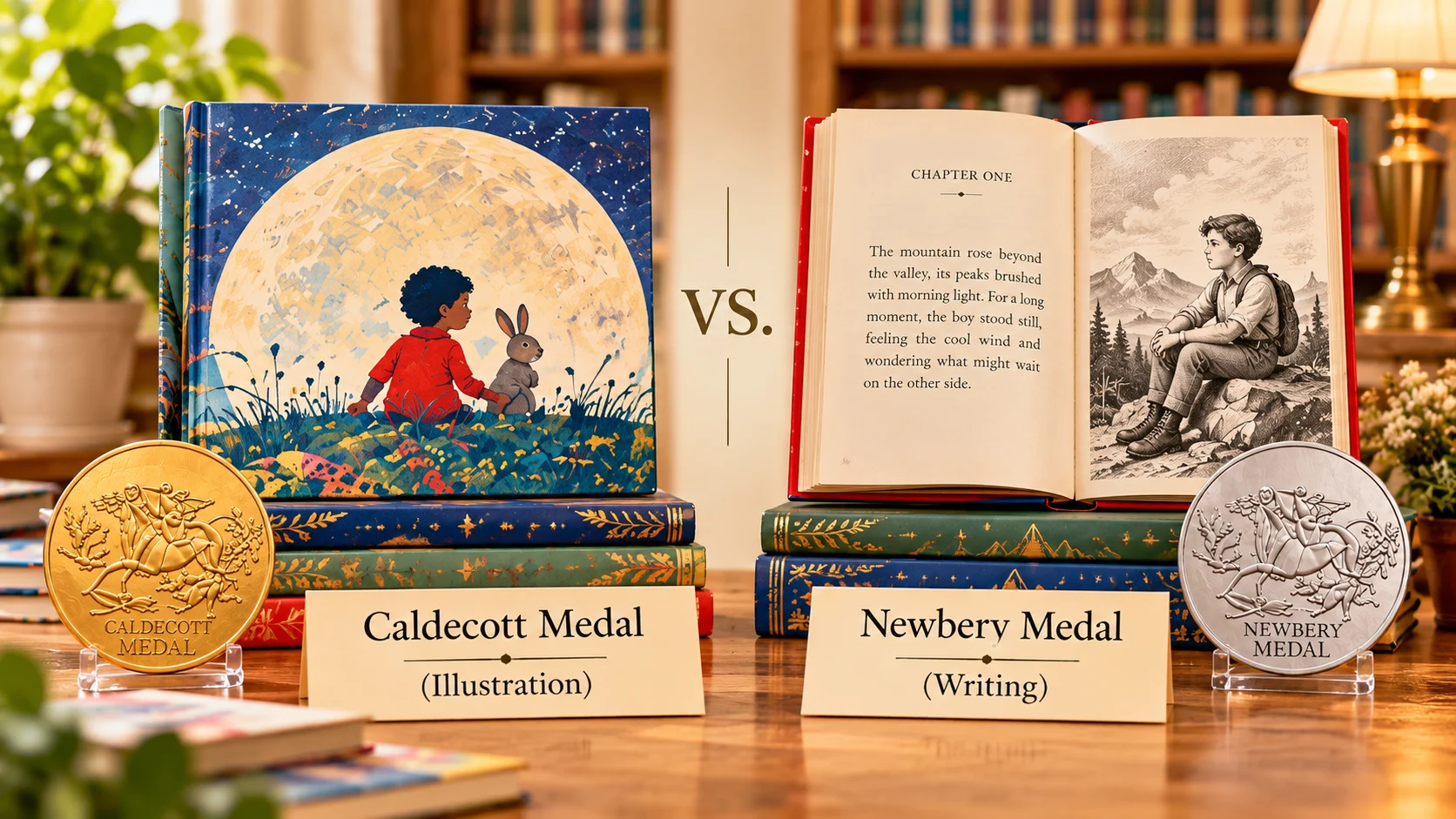
| Feature | Caldecott | Newbery |
|---|---|---|
| First Awarded | 1938 | 1922 |
| Primary Focus | Picture-book illustration | Children’s literature |
| Recipient | Illustrator | Author |
| Namesake | Randolph Caldecott | John Newbery |
| Frequency | Annual | Annual |
Which Award Is Better?
Neither award is inherently better. The Caldecott Medal celebrates artistic excellence in picture books, while the Newbery Medal recognizes distinguished contributions to children’s literature.
Some books have been recognized by both committees. For example, The Undefeated won the 2020 Caldecott Medal and was also named a Newbery Honor Book.
How Teachers Can Use Caldecott Books in the Classroom
Caldecott-winning books can support reading lessons, art projects, and classroom discussions. Here are five practical teaching activities.

1. Conduct a Picture Walk
Before reading the words, ask students to study the illustrations. Encourage them to identify characters, describe settings, and predict what might happen.
Example question: What details in the picture tell you how the character feels?
2. Compare Illustration Styles
Choose two books with noticeably different illustration techniques. Ask students to compare colors, textures, shapes, and visual details.
Example: Compare the collage artwork in The Snowy Day with the detailed paintings in The Polar Express.
3. Create a Classroom Picture Book
Invite students to write a short story and draw illustrations for the beginning, middle, and end.
Younger students can draw first and add simple sentences afterward. Older students can develop detailed storyboards.
4. Organize a Mock Caldecott Award
Provide students with a selection of age-appropriate picture books and explain simplified artistic evaluation criteria.
Let students compare illustrations and vote for a classroom favorite. Explain that this activity is inspired by the award, not the official judging process.
5. Practice Storytelling Without Words
Show students a series of illustrations without reading the text. Ask them to explain the story and predict what happens next.
This activity encourages children to recognize that pictures can communicate ideas independently.
How to Choose the Right Caldecott Books for Kids
Not every Caldecott-winning book is written for the same age group. Some contain simple stories appropriate for younger readers, while others explore more complex themes.
Consider These Four Factors
1. Age and Reading Development: Choose books with an appropriate level of visual complexity and subject matter.
2. Children’s Interests: Look for themes that appeal to the child, such as animals, nature, adventures, family, or imaginative worlds.
3. Illustration Style: Explore books featuring different techniques, compositions, and levels of detail.
4. Learning Goals: Select titles that encourage observation, story sequencing, emotional understanding, or artistic exploration.
Teachers and parents should preview a book before assigning or recommending it to ensure that it suits the intended readers.
Frequently Asked Questions About the Caldecott Medal
What is the Caldecott Medal awarded for?
The medal recognizes the illustrator of the most distinguished American picture book for children published during the preceding year.
Who gives the Caldecott Medal?
The Association for Library Service to Children (ALSC), a division of the American Library Association, administers the award.
When was the first Caldecott Medal awarded?
The first Caldecott Medal was awarded in 1938 to Dorothy P. Lathrop for illustrating Animals of the Bible.
Why is it called the Caldecott Medal?
It is named after Randolph Caldecott, a nineteenth-century English illustrator known for his contributions to children’s picture books.
Who won the Caldecott Medal in 2026?
Cátia Chien received the 2026 Caldecott Medal for illustrating Fireworks, written by Matthew Burgess.
Is the Caldecott Medal awarded every year?
Yes. The Caldecott Medal is an annual award recognizing distinguished illustration in an eligible American children’s picture book.
What is the difference between Medal and Honor Books?
The Caldecott Medal recognizes the annual winner. Caldecott Honor Books are additional works selected for distinguished illustration.
Can an author win the Caldecott Medal?
The award recognizes illustration. An author who also illustrates the winning book may receive the medal as its illustrator.
Are Caldecott books only for kindergarten students?
No. Eligible picture books can be intended for children up to and including 14 years of age.
Is the Caldecott Medal the same as the Newbery Medal?
No. The Caldecott Medal focuses on distinguished picture-book illustration, while the Newbery Medal recognizes distinguished contributions to American children’s literature.
Final Thoughts: Why the Caldecott Medal Still Matters
The Caldecott Medal represents an important part of American children’s literature. Since 1938, it has recognized illustrators whose creativity, artistic skill, and storytelling techniques demonstrate the power of pictures.
From classics such as The Snowy Day and Where the Wild Things Are to recent winners such as Big, Chooch Helped, and Fireworks, Caldecott books demonstrate the many ways illustrations can shape a reading experience.
For teachers, these books provide opportunities to develop visual literacy, encourage classroom discussions, and inspire creative activities. For parents, they offer a starting point for discovering memorable picture books to read together.
The Caldecott Medal reminds readers that illustrations are not simply decorations in children’s picture books. They are an essential part of how stories are told, understood, and remembered.