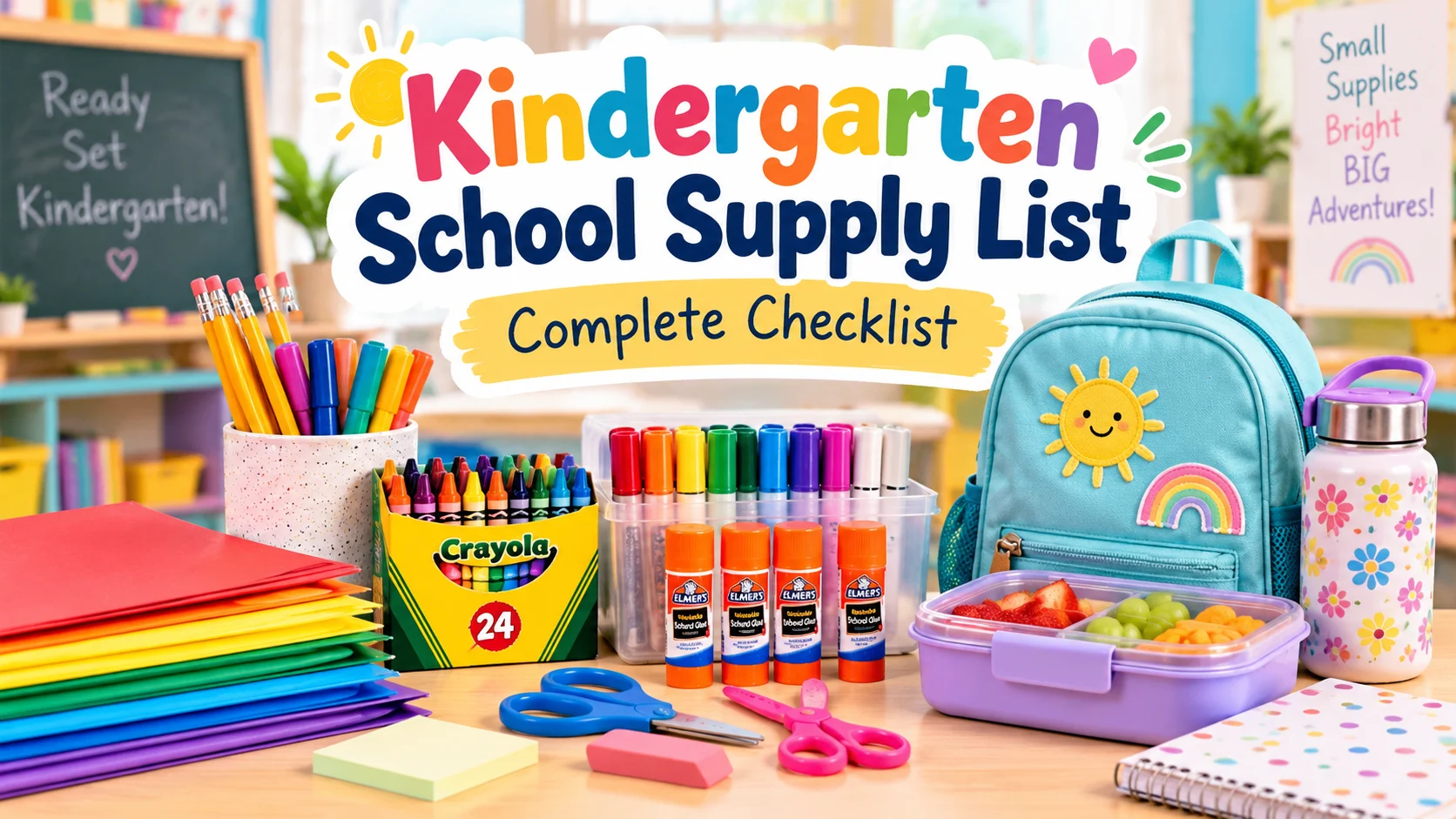

Starting kindergarten is a big milestone for your little one. There is a new classroom to explore, friends to meet, and plenty of exciting things to learn. But before that first school bell rings, parents have one important task: getting the right school supplies ready.
If this is your child’s first year of school, figuring out what to buy can feel confusing. Does your kindergartener need notebooks? How many crayons are enough? Should you buy headphones, tissues, or extra clothes?
This kindergarten school supply list covers common classroom essentials, everyday necessities, and optional items. You will also find a practical checklist, budget-saving ideas, and preparation tips to make back-to-school shopping easier.
Complete Kindergarten Supply List: Quick Checklist

Want to get straight to shopping? Here is a simple, interactive checklist of supplies commonly used in kindergarten classrooms. Check off each item as you purchase it.
Mark items as completed and track your shopping progress.
Writing and Learning Supplies
Art and Craft Supplies
Backpack and Personal Essentials
Classroom and Teacher-Requested Supplies
Essential Writing and Learning Supplies for Kindergarten

Kindergarten is where children begin developing important reading, writing, and fine motor skills. Their learning supplies should be comfortable, simple to use, and suitable for everyday classroom activities.
1. No. 2 Pencils and Erasers
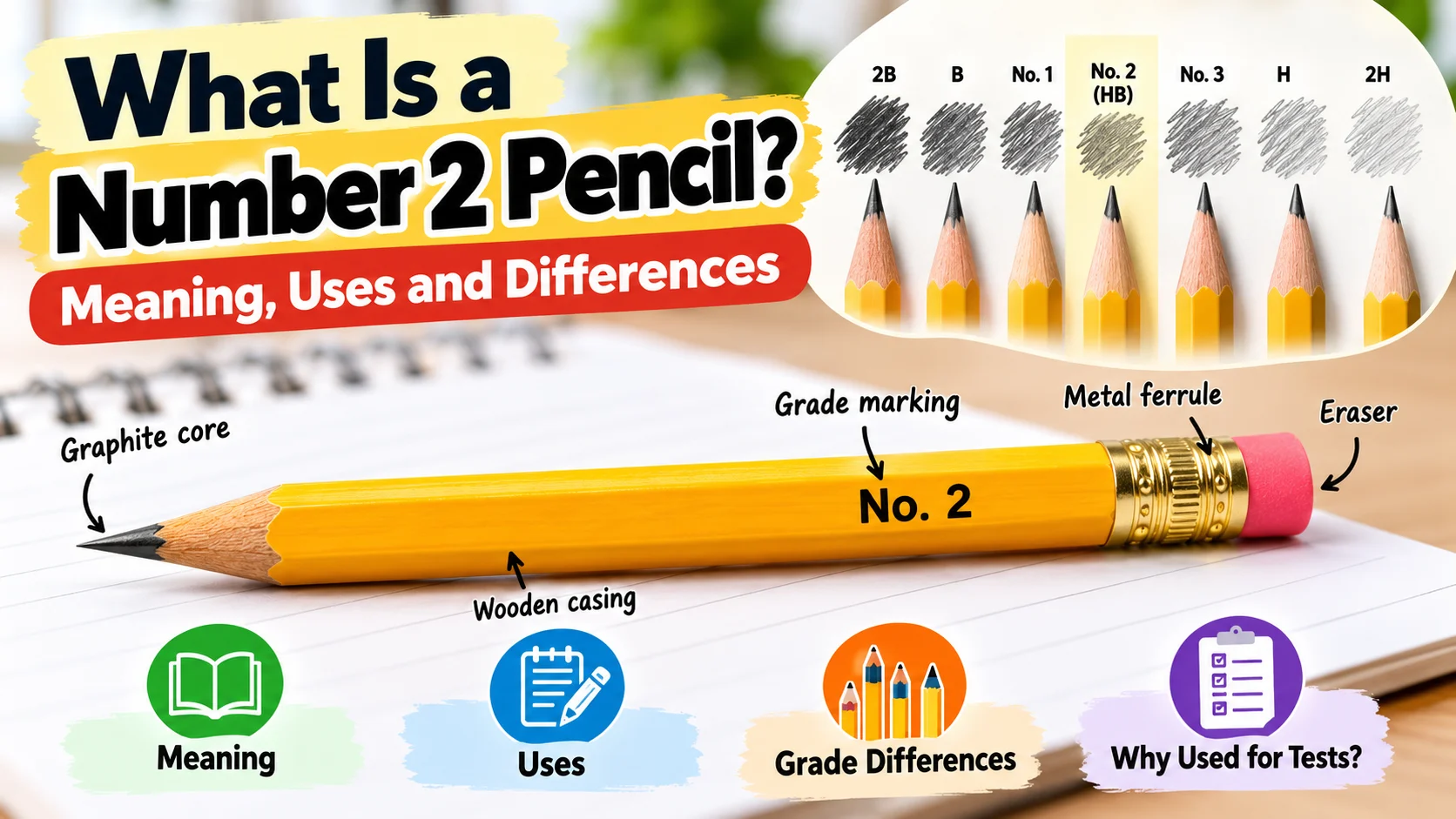
Pencils are among the most frequently used kindergarten supplies. Children use them for tracing letters, practicing their names, writing numbers, and completing simple worksheets.
Many teachers recommend standard No. 2 pencils, although some classrooms prefer thicker beginner pencils or specific brands. Choose pencils that are easy to grip and comfortable for your child.
Pre-sharpened pencils may save classroom preparation time. A soft eraser is equally useful because young learners naturally make mistakes as they practice writing.
2. Crayons and Washable Markers
Coloring is more than a fun kindergarten activity. It gives children opportunities to practice hand control, recognize colors, follow instructions, and express their creativity.
A standard 24-count box of crayons is commonly requested by schools. Some teachers ask for additional boxes throughout the year.
Washable markers are another classroom favorite for drawing, coloring, and art projects. Choose child-appropriate, washable varieties when permitted.
3. Writing Paper and Notebooks
Not every kindergartener needs a traditional notebook. Some classrooms use primary writing paper with large lines, while others provide worksheets, journals, or handwriting books.
Your school may request:
- Primary composition notebooks
- Wide-ruled notebooks
- Blank drawing journals
- Loose writing paper
Before buying notebooks, check which style your child’s teacher requires.
4. Pencil Box or Storage Pouch
A pencil box keeps crayons, pencils, erasers, and small learning tools organized. A sturdy plastic box with an easy-to-open lid can work well for young children.
Some teachers request a specific box size because supplies are stored inside desks or cubbies. A zippered pouch may also work if permitted.
Art and Craft Supplies for Kindergarten

Art activities are an important part of many kindergarten classrooms. Children spend time cutting, pasting, drawing, and making creative projects while developing coordination and hand strength.
Glue Sticks
Glue sticks are generally easier for small hands to control than bottles of liquid glue. They are frequently used in paper crafts, matching activities, and classroom projects.
Choose washable glue sticks and follow your teacher’s requested size and quantity.
Child-Safe Scissors
Cutting paper helps children practice hand coordination. Choose scissors designed for young children, with rounded or blunt tips and comfortable handles.
Practice cutting paper at home with adult supervision.
Construction Paper
Construction paper is useful for shapes, collages, decorations, and seasonal classroom crafts.
Many classrooms supply it as a shared resource, so purchase it only when requested.
Additional Craft Materials
Some schools request watercolor paints, modeling clay, play dough, or other creative materials.
These are generally school-specific purchases rather than universal kindergarten requirements.
Backpack and Personal Essentials for Kindergarten

School supplies are not limited to pencils and crayons. Your child also needs practical belongings to stay comfortable, organized, and prepared throughout the day.
1. A Comfortable Kindergarten Backpack
A backpack is one of the most important school purchases. Choose one that fits your child comfortably and provides enough space for required folders and other materials.
- Appropriately sized for your child
- Large enough for school folders
- Two adjustable, padded shoulder straps
- Lightweight when empty
- Easy-to-open zippers
- Durable, easy-to-clean material
Choose comfort and practicality over decorative features. Children should use both shoulder straps and avoid carrying unnecessary weight.
2. Lunchbox or Lunch Bag
If your child brings lunch from home, choose a lunchbox that is easy to open and close without adult help. Kindergarteners may have limited time to eat, so complicated containers can create unnecessary frustration.
Look for a lunch bag that is easy to carry, simple to clean, and large enough for the planned meal. Use suitable insulation and an ice pack when needed for perishable food.
Practice opening food containers together before school starts.
3. Reusable Water Bottle
A reusable water bottle helps your child access drinking water throughout the day. Choose a lightweight bottle with a secure lid that your child can operate independently.
Avoid oversized bottles, and make sure the bottle fits in the backpack’s side pocket or designated compartment.
4. Extra Change of Clothes
Some kindergarten teachers ask families to send a spare set of clothes. Spills, messy activities, wet playground equipment, and unexpected bathroom accidents can happen.
A spare clothing set might include:
- T-shirt
- Pants or shorts
- Underwear
- Socks
Store everything in a labeled bag if the school requests it.
5. Comfortable Shoes and Outerwear
Kindergarteners are active. They walk, play, run, and participate in physical education activities.
Comfortable, well-fitting shoes are usually more practical than shoes with complicated fastenings. Also consider a jacket, sweater, or raincoat based on local weather and school requirements.
Common Kindergarten Classroom Supplies Teachers May Request
Some school lists include tissues, cleaning wipes, paper towels, or headphones alongside traditional stationery.
These materials help support classroom activities and organization, but requirements vary from one school to another.
| Classroom Supply | Common Purpose |
|---|---|
| Facial tissues | Everyday classroom use |
| Hand sanitizer | Hand hygiene when appropriate |
| Cleaning wipes | Adult-managed cleaning of surfaces |
| Dry-erase markers | Whiteboard and learning activities |
| Headphones | Educational activities using classroom devices |
| Paper towels | Cleaning spills and art materials |
| Resealable bags | Organizing supplies and projects |
| Extra paper | Writing, drawing, and schoolwork |
Some schools require wired, over-ear headphones instead of wireless models. Always check device compatibility before purchasing.
Required vs. Optional Kindergarten School Supplies
One of the easiest ways to overspend is to treat every back-to-school product as essential. In reality, young learners often need a simple collection of supplies, and teachers may have specific preferences.
| Common School Supplies | Optional or School-Specific Extras |
|---|---|
| No. 2 pencils | Specialty pencil grips |
| Crayons | Large deluxe coloring sets |
| Glue sticks | Decorative craft kits |
| Child-safe scissors | Additional crafting tools |
| Backpack | Backpack charms |
| Teacher-requested folders | Personalized organizers |
| Water bottle, when needed | Novelty drink containers |
| Storage box, when requested | Multiple pencil cases |
An item in the first column isn’t automatically required by every school, while an item in the second column may be required by yours. Follow the teacher’s official supply list.
How Much Do Kindergarten School Supplies Cost?
Back-to-school shopping doesn’t have to become expensive. The total cost depends on your school’s requirements, the brands you choose, and whether you already own reusable items.
The following is an illustrative planning budget, not a nationwide average or a current retail price quotation.
| Supply Category | Example Budget |
|---|---|
| Pencils, erasers, crayons, and markers | $10–$18 |
| Glue sticks, scissors, and folders | $8–$15 |
| Pencil box and small accessories | $3–$8 |
| Classroom supplies, if requested | $5–$15 |
| Backpack | $15–$30 |
| Lunchbox and water bottle | $12–$25 |
| Illustrative Total | $53–$111 |
Actual prices and requirements may be higher or lower, and many families won’t need to purchase every item.
Smart Ways to Save Money on Kindergarten Supplies
Reuse What You Have
A backpack, pencil box, or scissors in good condition may be usable for another year.
Follow the Official List
Buying only requested items prevents unnecessary purchases and incorrect quantities.
Compare Unit Prices
Multi-packs can offer savings, but only purchase additional quantities when needed.
Look for Seasonal Sales
Compare back-to-school promotions at local retailers before making larger purchases.
Choose Durable Products
A simple, well-made backpack can be a better investment than an expensive decorative version.
Ask About Assistance
Schools, charities, and community groups may provide supplies to eligible families.
How to Choose Safe and Age-Appropriate Kindergarten Supplies
A kindergarten supply list is helpful, but choosing the right version of each product matters too.
Choose Supplies Your Child Can Use
Can your child open the pencil box, remove the water bottle lid, and unzip the backpack independently? Everyday usability matters more than fancy features.
Look for Child-Appropriate Art Materials
Select crayons, markers, glue, and scissors designed for your child’s age. Follow product labeling and school rules.
Keep Organization Simple
A single school-approved pencil box and designated folder may be easier to manage than several different organizers.
Practice at Home
Try a short activity where your child opens their backpack, takes out supplies, colors a picture, and puts everything away. Small routines can build familiarity and confidence.
Common Kindergarten School Supply Shopping Mistakes
Even experienced parents sometimes overlook small details when preparing for a new school year.
Buying Too Early
School requirements differ. Better approach: Wait for the official list before buying classroom-specific supplies.
Purchasing Too Many Extras
Decorative stationery can be tempting. Better approach: Buy required essentials first.
Choosing an Oversized Backpack
Large backpacks may be uncomfortable. Better approach: Select a child-sized backpack that fits school folders.
Labeling Shared Supplies
Some materials are pooled for classroom use. Better approach: Follow the teacher’s labeling directions.
Forgetting to Test Lunch Containers
Complex containers can frustrate children. Better approach: Practice opening them before school.
Last-Minute Shopping
Rushing may lead to forgotten items. Better approach: Plan purchases in manageable steps.
How to Prepare Your Child for the First Day of Kindergarten

Once you have purchased the supplies, a little preparation can help make the first day feel easier.
Organize Everything Together
Place supplies on a table and let your child help pack their backpack. Explain what each item is used for.
Label Personal Belongings
Follow your school’s directions for labeling backpacks, lunchboxes, water bottles, jackets, and extra clothing.
Practice School Routines
Practice opening lunch containers, using a backpack, washing hands, and putting supplies away.
Review School Instructions
Check arrival times, transportation, meal arrangements, classroom drop-off procedures, and special requirements.
Pack the Night Before
Prepare your child’s clothes and backpack in advance, making sure requested supplies are included.
Printable Kindergarten School Supply Checklist
Use the interactive checklist at the beginning of this guide to track your purchases. Click Print Checklist for a paper copy, or Copy Checklist to keep the list in your phone’s notes app.
Frequently Asked Questions About Kindergarten School Supplies
What supplies does a kindergartener need?
Common items include pencils, crayons, washable markers, glue sticks, child-safe scissors, folders, a backpack, and a water bottle. The exact list depends on the school.
How many pencils does a kindergartener need?
There is no universal quantity. Some teachers request a pack of 10 or 12 pencils, while others use shared classroom supplies.
What size crayons are best for kindergarten?
A standard 24-count box is commonly requested. Individual classrooms may specify a different size, quantity, or brand.
Do kindergarteners need notebooks?
Some schools request primary writing journals or composition notebooks, while others provide writing materials. Check the teacher’s list.
Do kindergarten students need headphones?
Some schools request headphones for classroom computers and educational devices. Check the required connection type before buying.
Do I need to label all kindergarten school supplies?
Not always. Personal belongings are commonly labeled, but crayons, pencils, and other materials may be shared. Follow school instructions.
When should I buy kindergarten school supplies?
Begin planning a few weeks before school starts, ideally after receiving the official supply list.
What should I pack in my child’s backpack?
Pack school-requested folders, a water bottle, lunchbox if needed, and approved personal supplies. Avoid unnecessary weight.
Can I reuse school supplies from last year?
Yes. Clean, functional, age-appropriate backpacks, pencil boxes, scissors, and other supplies can often be reused.
What if I cannot afford all the supplies?
Contact your child’s school to ask about donated materials, supply assistance, or local community programs.
Get Ready for a Great First Day of Kindergarten
Preparing for kindergarten doesn’t have to be complicated. With a clear checklist, a little planning, and the right supplies, you can help your child feel ready for their new adventure.
Focus on practical essentials, follow your school’s requirements, and avoid unnecessary purchases.
Most importantly, involve your child in the preparation process. Whether they’re choosing a backpack or packing crayons, these moments can build excitement and confidence.
Save this kindergarten supply list, check off your shopping items, and enjoy getting ready for your child’s first day of school!