
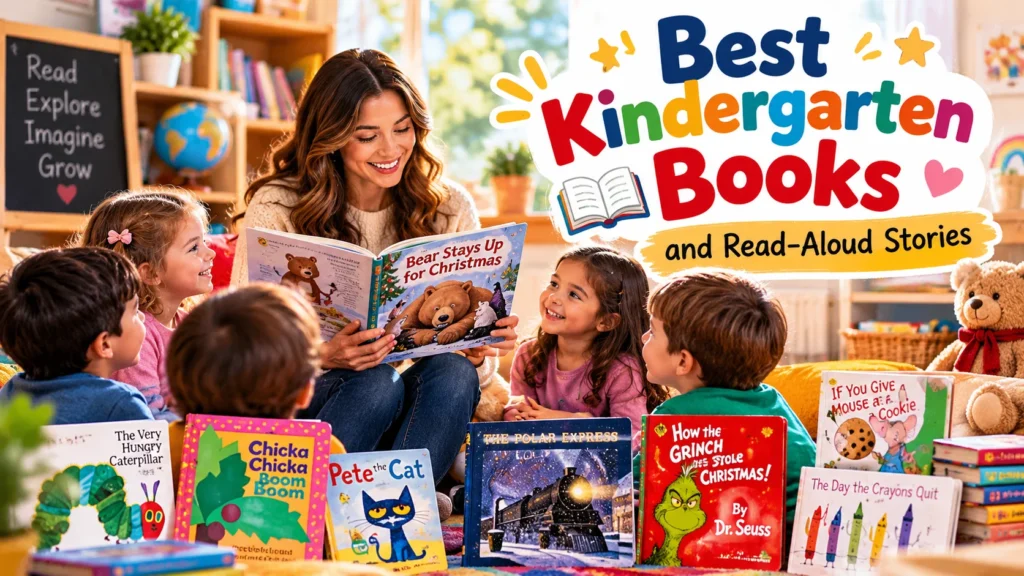
A wonderful picture book can turn an ordinary kindergarten storytime into an exciting learning experience. Whether children are laughing at a silly character, predicting what happens next, or discovering new words, reading together helps them build important early literacy skills.
Choosing the right books to read with kindergarteners can make a meaningful difference in how children experience stories. The best choices combine engaging illustrations, understandable language, memorable characters, and opportunities for conversation.
From classic picture books and educational favorites to interactive stories and Christmas books, this guide explores age-appropriate reading selections for children ages 4–6. You’ll also find practical tips for making storytime enjoyable at school and at home.
Why Reading Books Matters in Kindergarten?
Kindergarten is an important stage in children’s language and early literacy development. While some children are beginning to recognize familiar words, others are still developing letter knowledge, sound awareness, and listening skills.
Reading aloud gives children access to stories and vocabulary they may not yet be able to read independently.
Regular, interactive reading experiences can support several developmental areas.
- Vocabulary development: Children encounter new words and learn their meanings through pictures, explanations, and conversations.
- Listening comprehension: Following a story helps children understand characters, events, problems, and solutions.
- Early literacy awareness: Books introduce children to print, letters, rhymes, and how written language works.
- Social-emotional learning: Stories provide opportunities to discuss friendship, emotions, kindness, and problem-solving.
- Imagination and curiosity: Fictional characters and unfamiliar settings encourage creative thinking.
Reading becomes especially valuable when adults invite children to ask questions, describe illustrations, and discuss the characters’ decisions. The goal is not simply to finish a book but to help children understand and enjoy it.
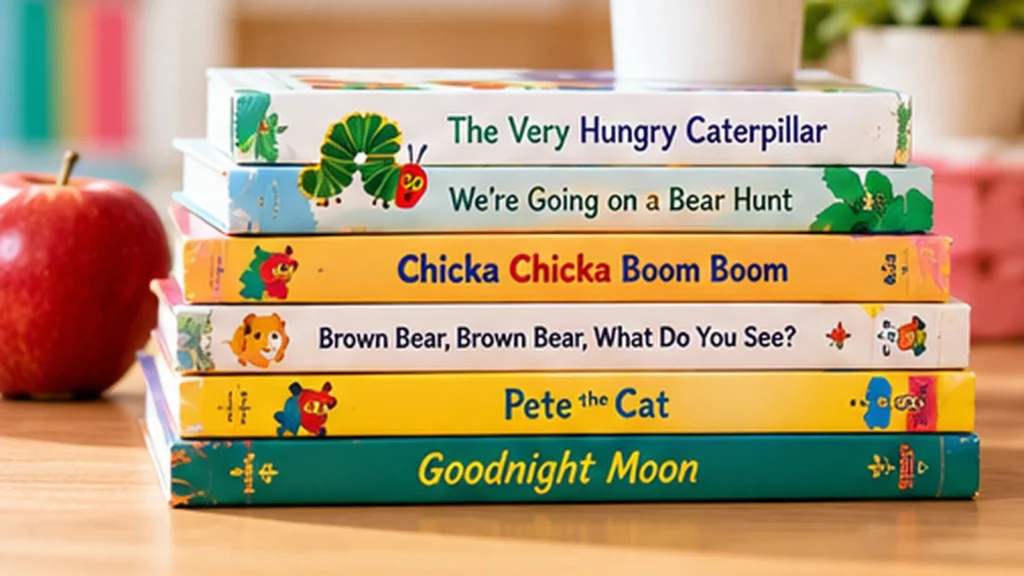
Best Books to Read With Kindergarteners
These picture books offer a balance of entertaining storytelling and educational opportunities. They are useful for classroom storytime, family reading, and small-group discussions.
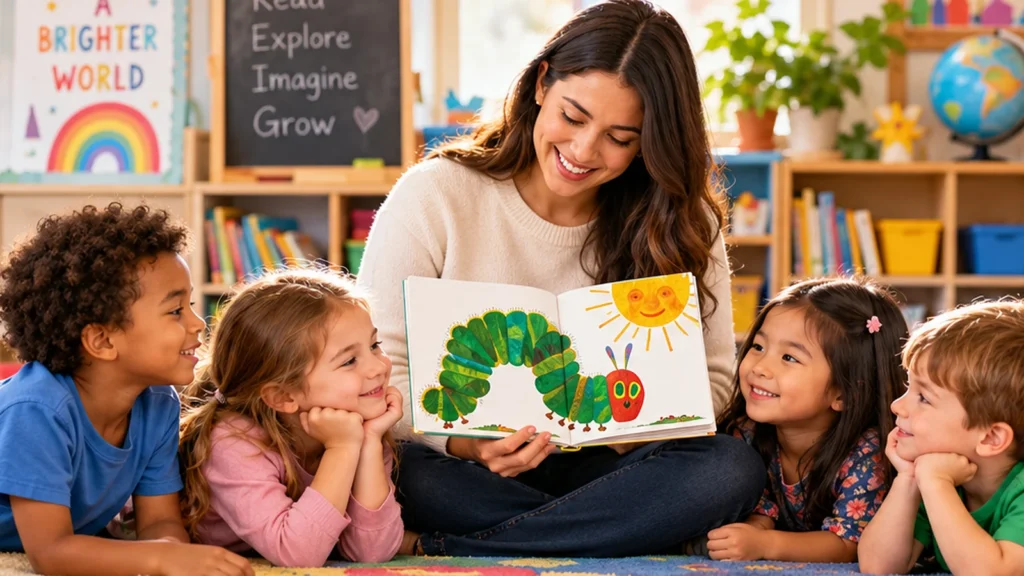
1). The Very Hungry Caterpillar by Eric Carle
Best for: Counting, sequencing, days of the week, and understanding change.
The Very Hungry Caterpillar follows a tiny caterpillar as it eats different foods throughout the week before eventually transforming into a butterfly.
The colorful collage illustrations, simple text, and interactive page design make this book particularly appealing to young children.
Why it’s a good kindergarten choice: Teachers can use the story to introduce counting, food vocabulary, days of the week, and the basic stages of a butterfly’s life cycle.
Try this activity: Give children picture cards representing the foods in the story and ask them to arrange the cards in the correct order.
Discussion question: What changes happened to the caterpillar from the beginning to the end of the story?
2). Brown Bear, Brown Bear, What Do You See? by Bill Martin Jr.
Illustrated by: Eric Carle
Best for: Color recognition, animal vocabulary, repetition, and oral language.
This classic picture book introduces a series of colorful animals through a predictable pattern of questions and answers.
Its repetitive structure makes it easy for kindergarteners to participate, even when they cannot read the printed words independently.
Why it’s a good kindergarten choice: Children practice identifying colors, recognizing animals, listening to sentence patterns, and anticipating what comes next.
Try this activity: Display animal picture cards and invite students to name their colors. Then ask children to create their own animal-and-color combinations.
Discussion question: Which animal would you add to the story, and what color would it be?
3. The Pigeon HAS to Go to School! by Mo Willems
Best for: School readiness, discussing worries, confidence, and expressive storytelling.
The Pigeon has plenty of reasons for not wanting to attend school. He worries about his teacher, what he might learn, and whether school will be enjoyable.
The humorous dialogue and expressive illustrations make these concerns approachable for young readers.
Why it’s a good kindergarten choice: The story creates a natural opportunity to discuss nervousness, unfamiliar situations, and positive school experiences.
Try this activity: Ask children to draw something they enjoy about school or something they are excited to learn.
Discussion question: What could you say to help the Pigeon feel less worried about going to school?
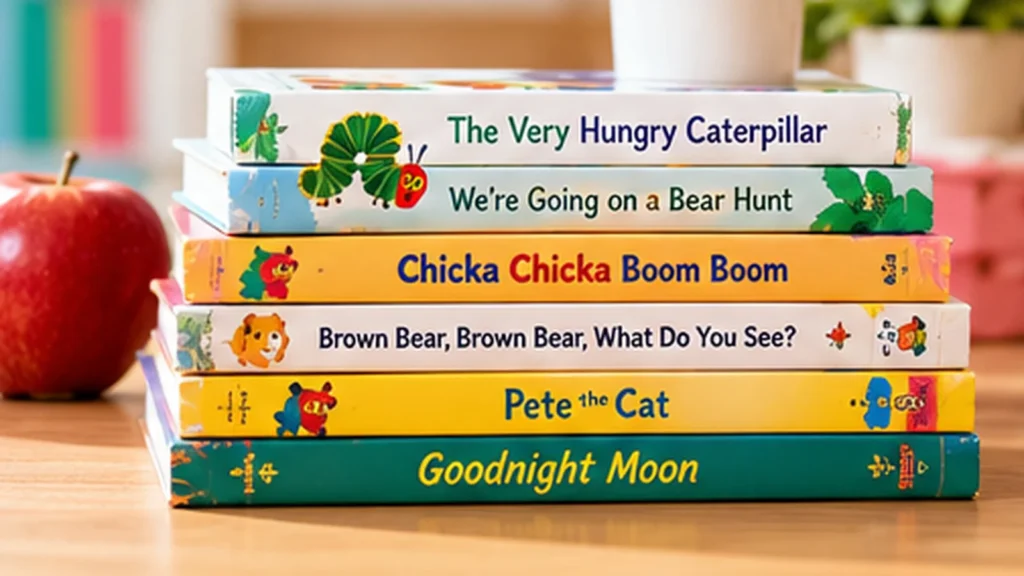
Popular Kindergarten Books Children Love
Some popular kindergarten books are especially effective because they invite laughter, repetition, and participation. These stories can help reluctant listeners become interested in reading.
4. Don’t Let the Pigeon Drive the Bus! by Mo Willems
Best for: Interactive storytelling, persuasive language, and making decisions.
When a bus driver leaves the Pigeon behind, the Pigeon tries everything he can think of to convince the reader to let him drive the bus.
Children are directly invited to respond to the character, making the book an entertaining choice for group reading.
Educational value: The story encourages listening, responding, explaining choices, and recognizing different forms of persuasion.
Try this activity: Let students explain why the Pigeon should or should not drive the bus. Encourage them to support their answers with reasons.
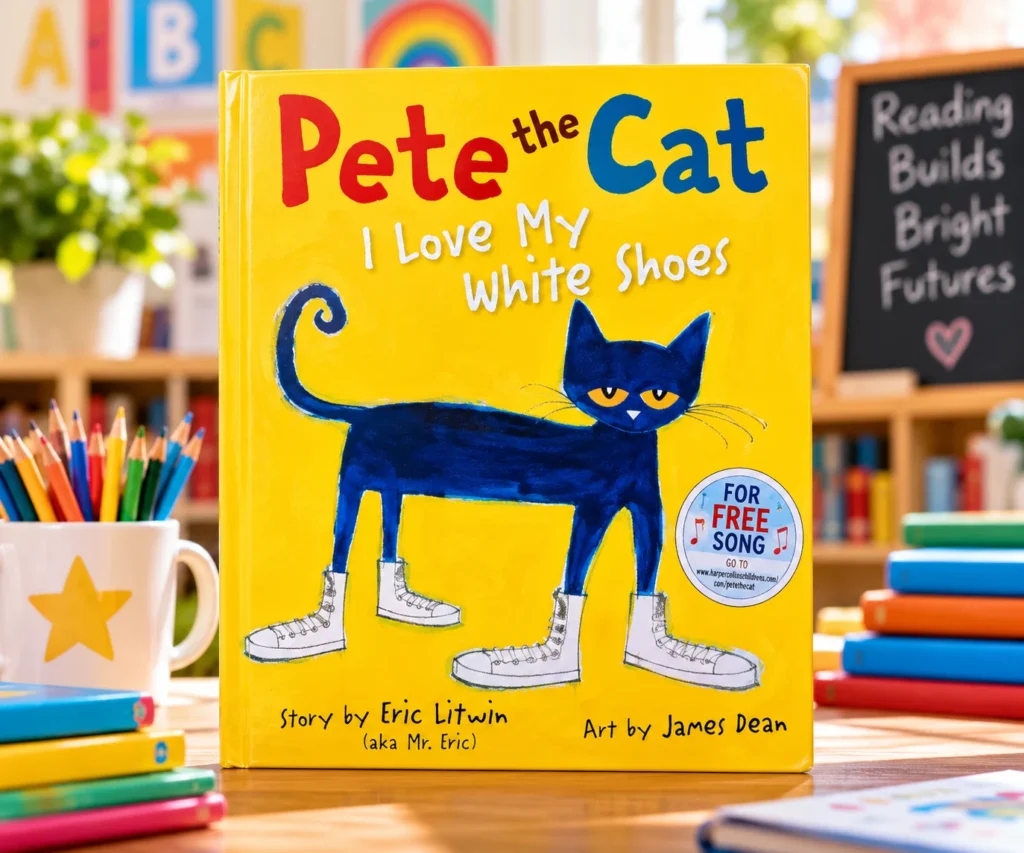
5. Pete the Cat: I Love My White Shoes by Eric Litwin
Illustrated by: James Dean
Best for: Colors, sequencing, participation, and responding to unexpected changes.
Pete the Cat walks through different substances that change the color of his shoes. Instead of becoming upset, he continues his adventure with a relaxed attitude.
The repeating phrases and musical structure invite children to participate.
Educational value: Teachers can use the story to reinforce color vocabulary, sequence events, and discuss flexible thinking.
Try this activity: Ask children to draw Pete wearing shoes in a new color and explain what caused the change.
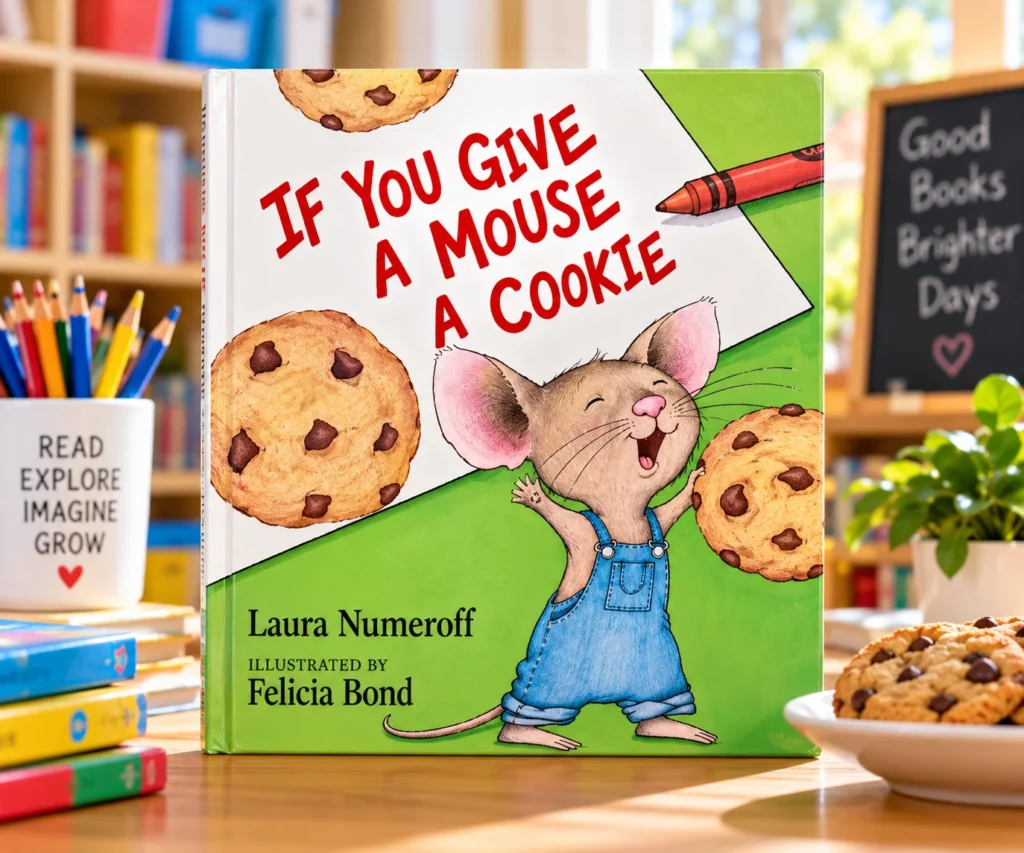
6. If You Give a Mouse a Cookie by Laura Numeroff
Illustrated by: Felicia Bond
Best for: Cause and effect, predicting events, and story sequencing.
This humorous picture book follows a mouse whose simple request for a cookie leads to a long chain of unexpected activities.
Each new request connects to the previous one, creating opportunities for children to recognize patterns and relationships between events.
Educational value: The book supports sequencing, prediction, and understanding cause and effect.
Try this activity: Make a story-chain chart showing how one event leads to the next.
Best Books to Read Aloud to Kindergarteners
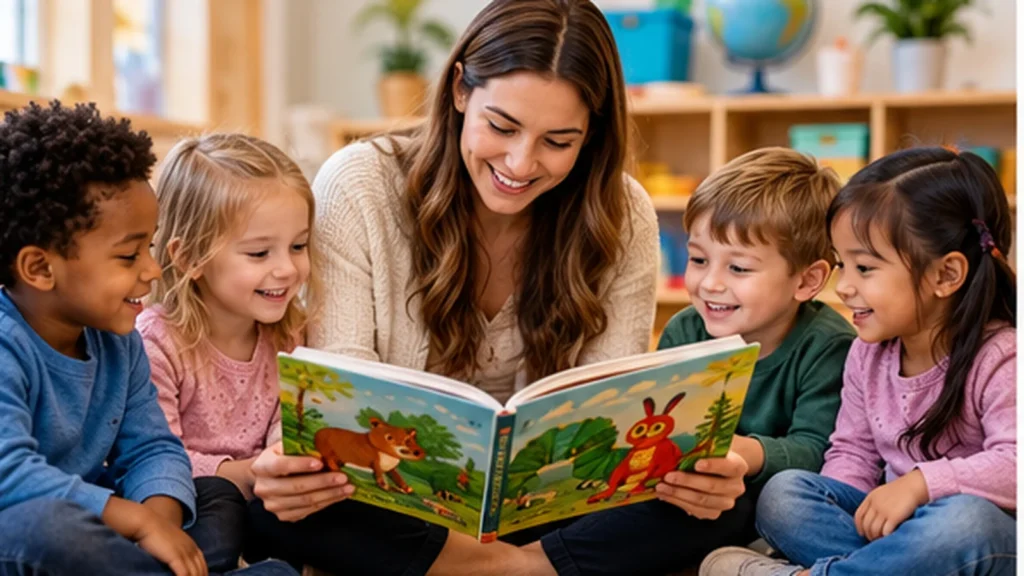
The best books to read aloud to kindergarteners encourage children to listen actively and participate in the storytelling experience.
Stories with repetition, rhythm, expressive dialogue, and clear illustrations often work particularly well during group reading.
7. We’re Going on a Bear Hunt by Michael Rosen
Illustrated by: Helen Oxenbury
Best for: Repetition, descriptive language, movement, and sequencing.
A family travels through grass, water, mud, and other obstacles while searching for a bear.
The story uses repeated phrases and sound-rich descriptions that make it enjoyable to perform aloud.
Educational value: Children can practice listening, understanding descriptive vocabulary, and remembering the order of events.
Try this activity: Invite students to act out the different environments using safe movements and gestures.
Discussion question: Which part of the journey would be the most difficult, and why?
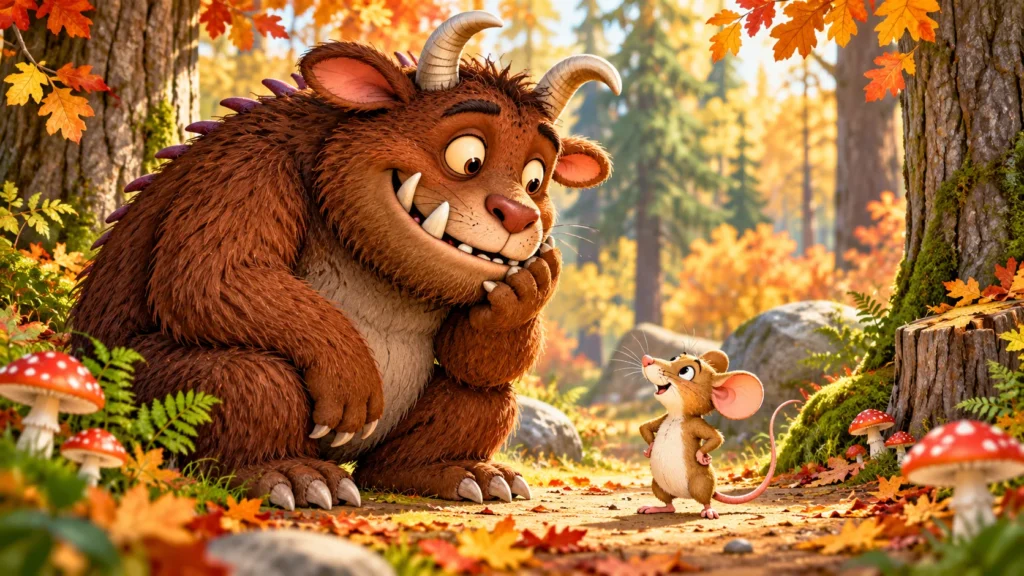
8. The Gruffalo by Julia Donaldson
Illustrated by: Axel Scheffler
Best for: Rhyming, prediction, character understanding, and problem-solving.
A clever mouse walks through the forest and uses imaginative storytelling to protect himself from other animals.
The rhythmic text and changing encounters make this an engaging read-aloud selection.
Educational value: Teachers can explore rhyming language, creative problem-solving, and the difference between what characters believe and what readers know.
Try this activity: Pause before important events and ask students to predict how the mouse might respond.
Discussion question: How does the mouse use his imagination to solve problems?
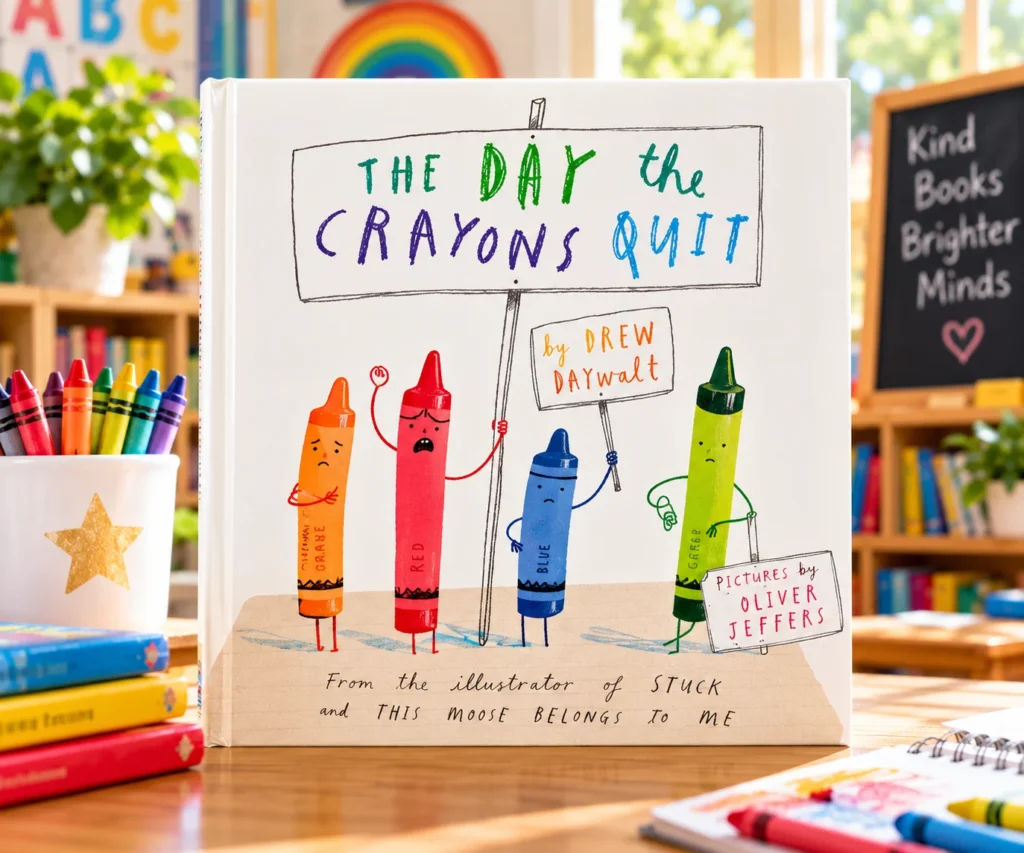
9. The Day the Crayons Quit by Drew Daywalt
Illustrated by: Oliver Jeffers
Best for: Expressive reading, perspective-taking, humor, and creativity.
A young boy discovers letters written by his crayons, each explaining why it is unhappy with the way it has been used.
The crayons have different personalities, making the story ideal for expressive character voices.
Educational value: Children can explore feelings, different perspectives, and creative ways to use familiar objects.
Try this activity: Ask students to imagine that their favorite crayon could speak. What would it say?
Discussion question: Why do different crayons feel differently about their jobs?
Educational Kindergarten Books for Early Learning:
An educational book for kindergarten does not need to feel like a textbook. Well-chosen picture books can naturally introduce letters, numbers, language patterns, and emotional vocabulary through enjoyable stories.
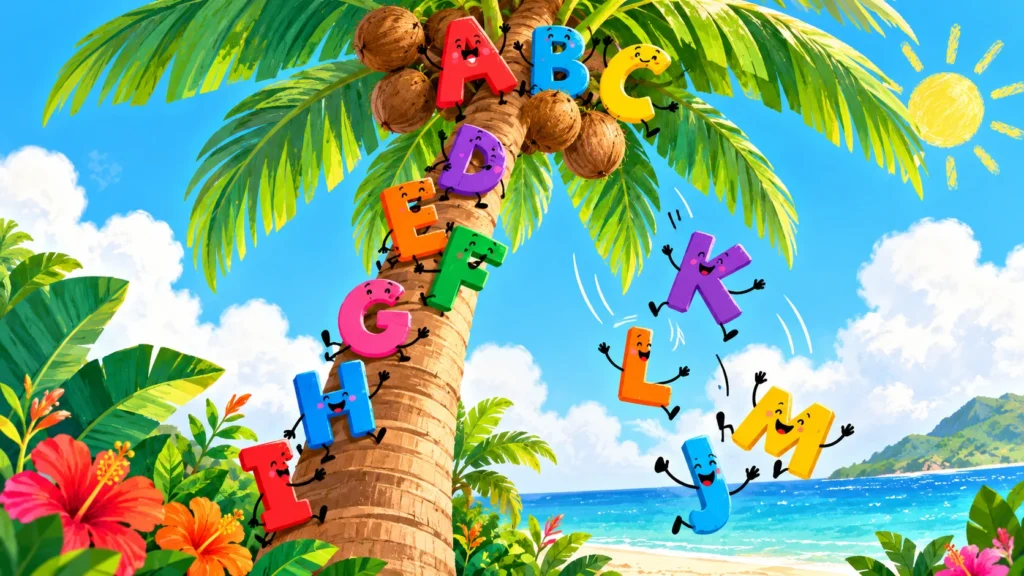
10. Chicka Chicka Boom Boom by Bill Martin Jr. and John Archambault
Illustrated by: Lois Ehlert
Best for: Alphabet recognition, letter names, rhythm, and phonological awareness activities.
The letters of the alphabet race up a coconut tree in this lively, rhythmic story.
Its bright illustrations and memorable language create opportunities for children to recognize and name letters.
Educational value: The book supports alphabet familiarity and playful exploration of language. Teachers can extend the activity by explicitly practicing letter sounds.
Try this activity: Create a paper coconut tree and invite children to place alphabet cutouts on its trunk while naming each letter and its sound.
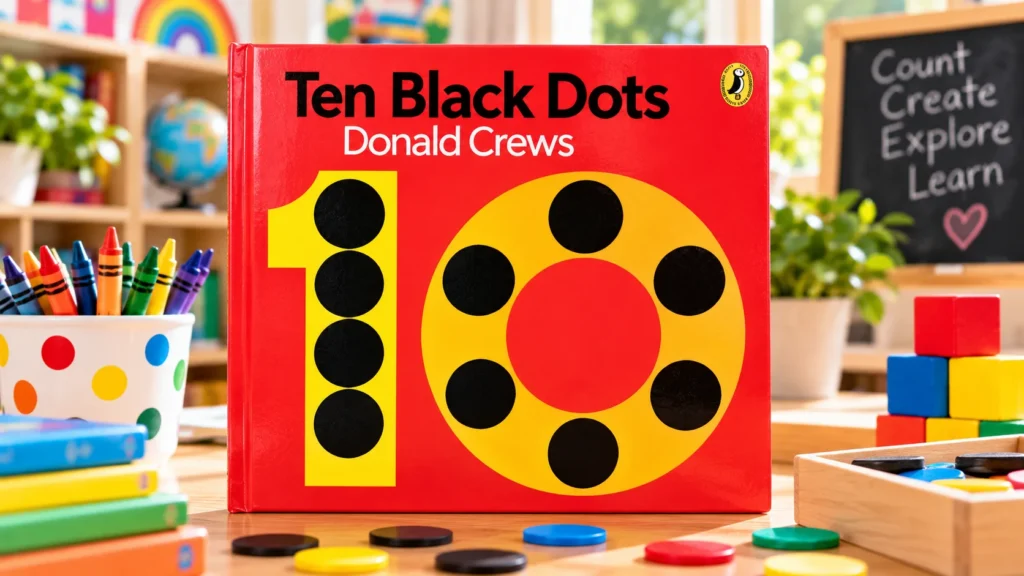
11. Ten Black Dots by Donald Crews
Best for: Counting, number recognition, and visual creativity.
This picture book demonstrates how groups of black dots can become parts of different everyday pictures.
Children see numbers represented visually and discover how simple shapes can be used creatively.
Educational value: The story offers opportunities to practice one-to-one counting, number recognition, and understanding quantities.
Try this activity: Give children black paper circles and ask them to create a picture using a chosen number of dots. Have them count the dots aloud.
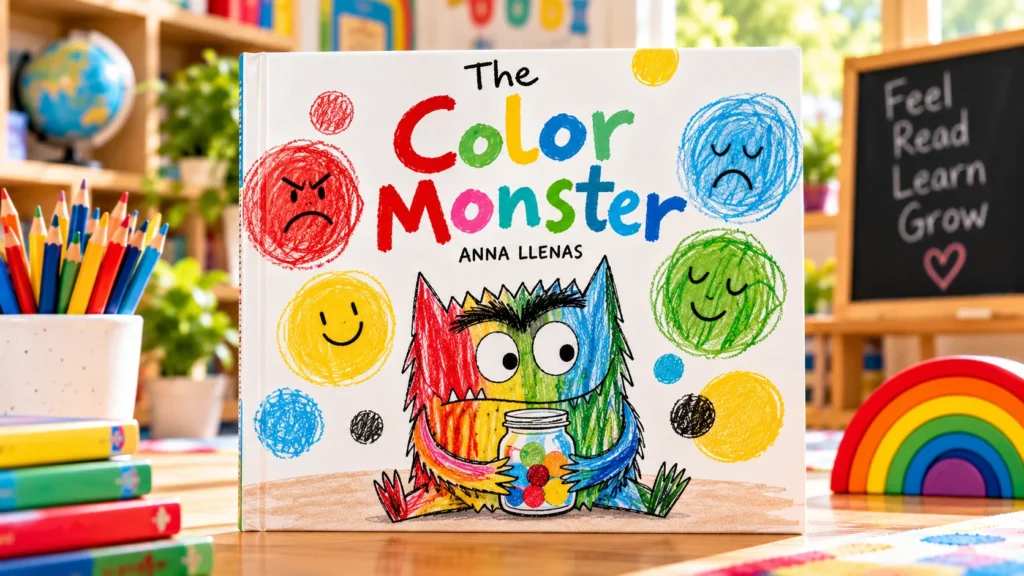
12. The Color Monster by Anna Llenas
Best for: Identifying emotions, emotional vocabulary, and self-expression.
A colorful monster feels confused because his emotions are mixed together. With help, he begins to identify and organize his different feelings.
The visual presentation makes abstract emotional concepts easier for young children to discuss.
Educational value: The book encourages children to name feelings, recognize emotional experiences, and understand that people may experience different emotions.
Try this activity: Provide colored emotion cards and invite students to describe a time they felt happy, worried, calm, or sad.
Teaching note: Encourage children to use their own words for feelings rather than assuming that one color always represents one emotion.
Kindergarten Books About Friendship, Kindness, and Feelings
Stories about relationships can help young children explore situations they encounter at school, including making friends, feeling excluded, and supporting others.
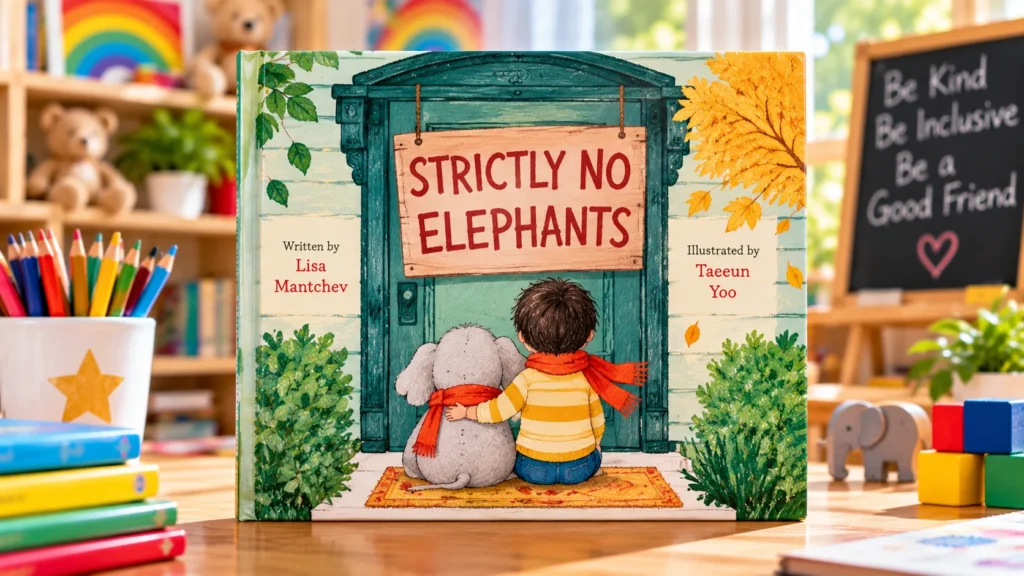
13. Strictly No Elephants by Lisa Mantchev
Illustrated by: Taeeun Yoo
Best for: Inclusion, friendship, and respecting differences.
A young boy and his pet elephant discover that they are not welcome at a local pet club. Instead of accepting exclusion, they join others in creating a place where everyone can belong.
Educational value: This story provides a gentle introduction to belonging, kindness, and welcoming people who are different from us.
Try this activity: Work together to create a classroom friendship poster featuring ways to include others.
Discussion question: What could the children have done to make their club more welcoming?
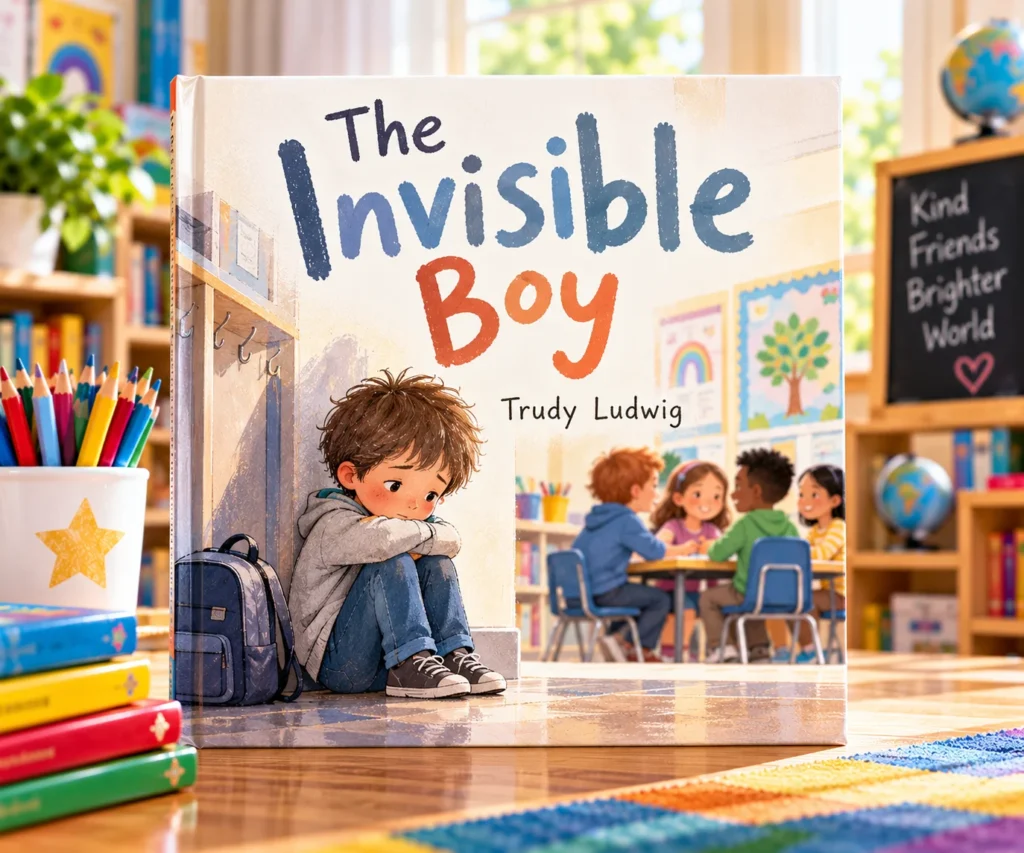
14. The Invisible Boy by Trudy Ludwig
Illustrated by: Patrice Barton
Best for: Empathy, friendship, belonging, and noticing others.
Brian is a quiet child who often feels overlooked by his classmates. His experiences begin to change when another student includes him.
Educational value: The book encourages children to notice classmates who may feel left out and consider simple acts of kindness.
Try this activity: Ask students to suggest friendly ways to invite someone into a game or classroom activity.
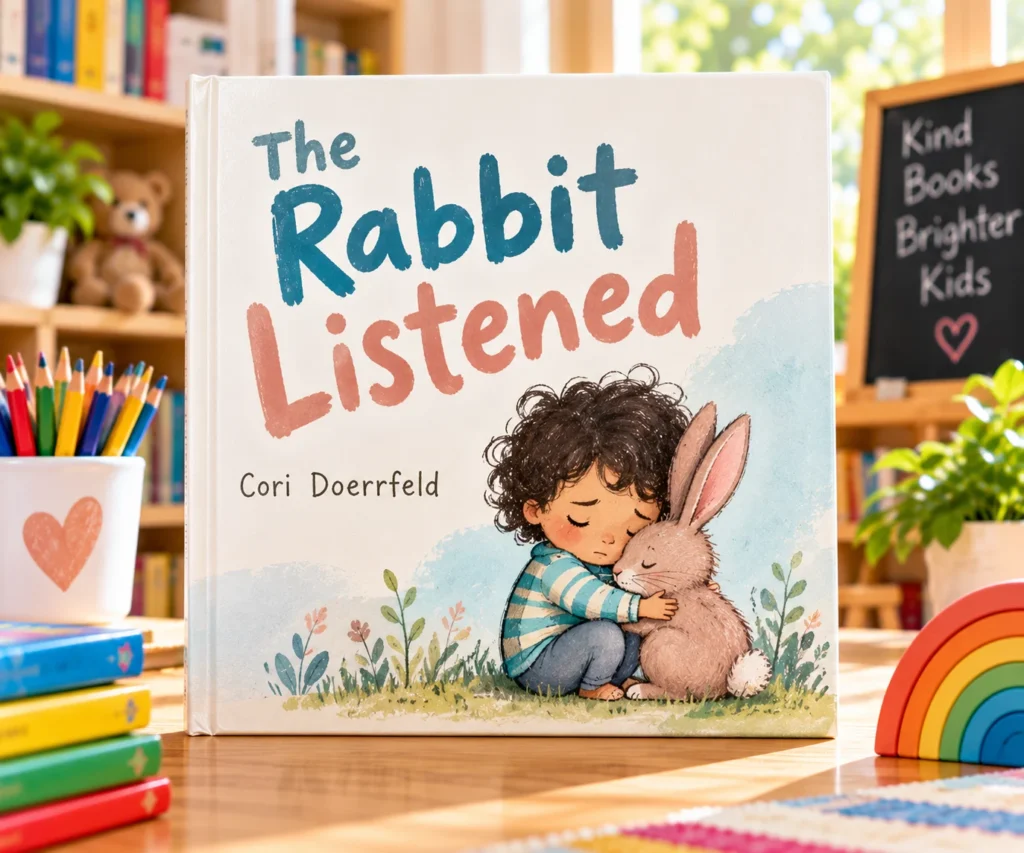
15. The Rabbit Listened by Cori Doerrfeld
Best for: Empathy, listening, and emotional support.
When something upsetting happens to Taylor, different animals offer advice about what Taylor should do. A rabbit provides a different kind of support by being present and listening.
Educational value: The story introduces the importance of listening to others and respecting their feelings.
Try this activity: Practice listening with a partner. One child shares a simple experience while the other listens without interrupting.
Discussion question: Why was listening helpful to Taylor?
Best Christmas Books for Kindergarteners
Christmas stories can make seasonal reading activities exciting while introducing themes such as generosity, friendship, family traditions, and kindness.
These Christmas books for kindergarteners are suitable choices for holiday-themed classroom sessions or family reading.
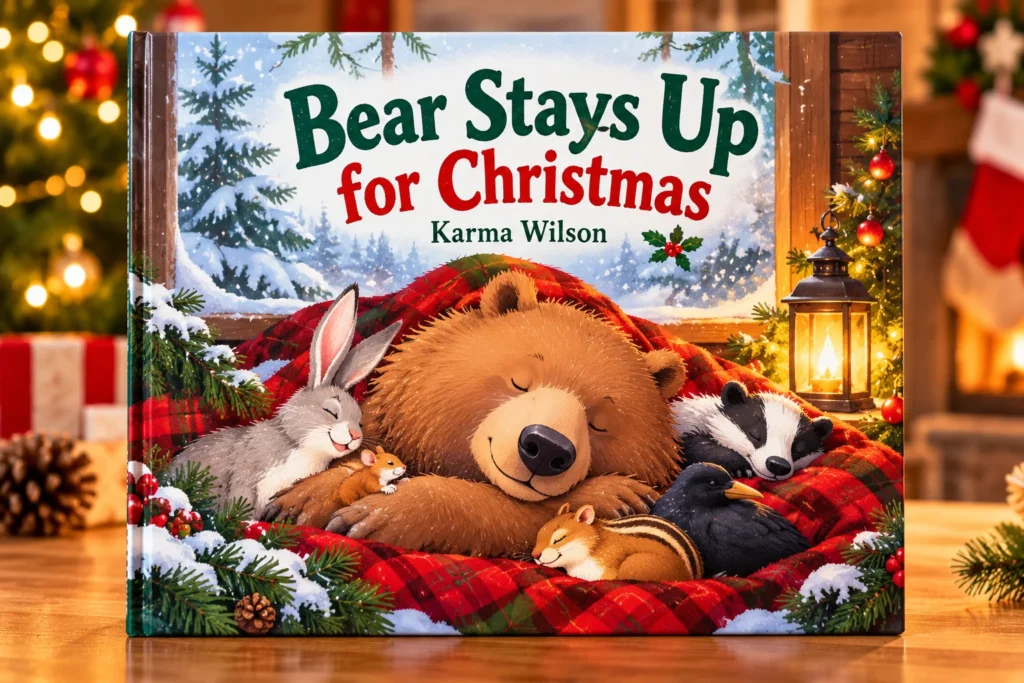
16. Bear Stays Up for Christmas by Karma Wilson
Illustrated by: Jane Chapman
Best for: Friendship, generosity, rhyming, and holiday traditions.
Bear’s friends want him to stay awake and celebrate Christmas with them. Together, they prepare decorations, food, and surprises.
The gentle rhyming text makes this story especially enjoyable to read aloud.
Educational value: Children can discuss friendship, thoughtfulness, and the importance of giving.
Try this activity: Ask children to draw or describe a kind gesture they could do for someone during the holidays.
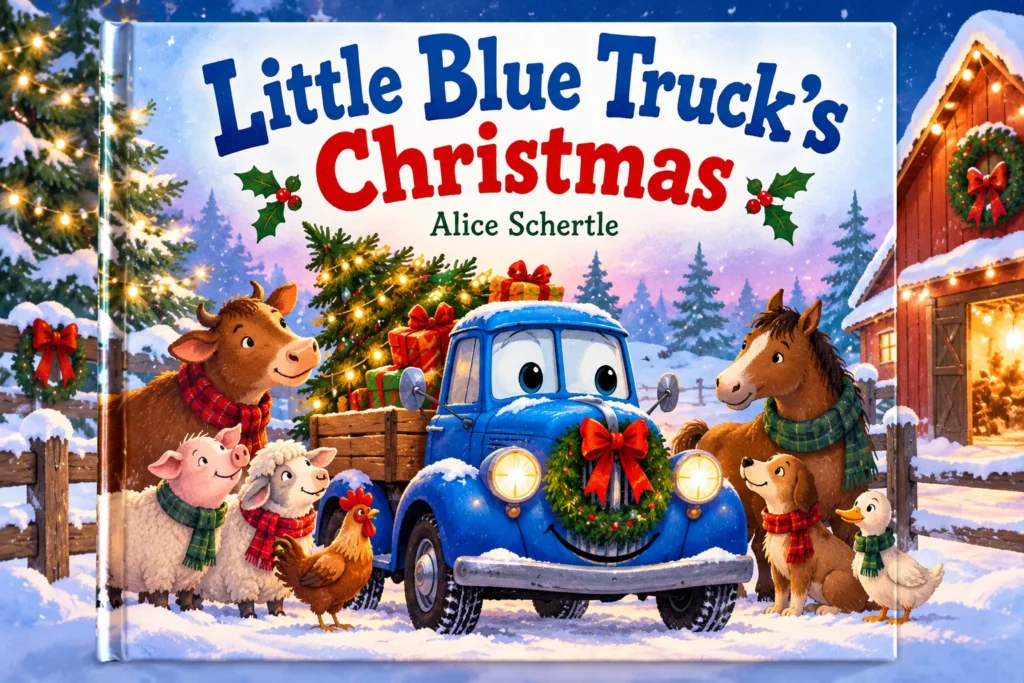
17. Little Blue Truck’s Christmas by Alice Schertle
Illustrated by: Jill McElmurry
Best for: Counting, numbers, and holiday participation.
Little Blue Truck delivers Christmas trees to his animal friends in this cheerful seasonal story.
The simple storyline combines familiar characters with counting opportunities.
Educational value: Children can practice number recognition, counting, and observing changes in quantity.
Try this activity: Use paper Christmas trees to practice counting deliveries and identifying how many trees remain.
18. How the Grinch Stole Christmas! by Dr. Seuss
Best for: Kindness, generosity, character development, and understanding celebrations.
The Grinch dislikes Christmas and decides to take away the things the Whos use to celebrate. However, he discovers that their holiday spirit is about more than material possessions.
Educational value: The story encourages discussion about generosity, community, and the meaning of celebrations.
Try this activity: Create a kindness tree and invite students to add paper ornaments describing kind things they can do for others.
19. The Polar Express by Chris Van Allsburg
Best for: Imagination, descriptive language, prediction, and seasonal storytelling.
A young boy takes an extraordinary train journey to the North Pole on Christmas Eve.
The atmospheric illustrations and imaginative storytelling create a memorable holiday reading experience.
Educational value: Teachers can explore story setting, descriptive vocabulary, imagination, and narrative comprehension.
Try this activity: Ask children to draw what they imagine seeing from the window of a magical train.
Reading tip: Because the text is more detailed than many beginner picture books, consider reading it in smaller sections when children need additional listening support.

How to Choose the Right Books for Kindergarteners
Choosing an appropriate book involves more than checking the recommended age on its cover. Teachers and parents should also consider children’s interests, experiences, and individual learning needs.
Choose Engaging Illustrations
Clear, expressive illustrations help children understand the story, recognize emotions, and make predictions.
Picture books are particularly useful for students who are still developing their listening comprehension or English language skills.
Look for Repetition and Rhyming
Repeated words and predictable phrases encourage children to participate.
Rhyming stories can also create opportunities for phonological awareness activities, such as listening for words that sound alike.
Consider Story Length and Complexity
A short story with clear events may work well for a group that is just developing listening stamina.
Longer books can also be valuable when the teacher introduces unfamiliar vocabulary and pauses for discussion.
Include Different Genres and Experiences
Build a varied collection that includes humorous fiction, informational books, alphabet stories, counting books, poetry, and stories representing different families and communities.
Match the Book to the Reading Goal
Consider what children will practice during the session.
| Learning Goal | Recommended Book |
|---|---|
| Counting and number sense | Ten Black Dots |
| Alphabet recognition | Chicka Chicka Boom Boom |
| Story sequencing | The Very Hungry Caterpillar |
| Prediction and problem-solving | The Gruffalo |
| Emotional awareness | The Color Monster |
| Friendship and inclusion | Strictly No Elephants |
| Interactive participation | Don’t Let the Pigeon Drive the Bus! |
Remember that a book suitable for listening to may be more challenging than a child can read independently. Read-aloud books introduce rich language and ideas, while carefully selected beginning-reader and decodable texts can provide separate opportunities to practice emerging decoding skills.
How to Build a Daily Kindergarten Reading Routine
A consistent reading routine helps children understand what to expect during storytime and creates regular opportunities for shared language experiences.
A simple 15-minute session might look like this:
| Time | Reading Activity |
|---|---|
| 2 minutes | Introduce the book, author, cover, and main idea |
| 8 minutes | Read aloud with expressive voices and brief discussion |
| 3 minutes | Ask questions and encourage children to retell events |
| 2 minutes | Discuss a favorite part or complete a quick response activity |
This schedule is only an example. The appropriate duration depends on the children’s interests, attention, and learning needs.
For teachers: Create a welcoming reading area with comfortable seating and books displayed where children can see and reach them.
For parents: Choose a consistent time, such as before bedtime or after dinner, when reading can become a relaxed shared activity.
Children should also have opportunities to choose their own books. Giving them some control over reading selections can encourage curiosity and enjoyment.

Frequently Asked Questions About Kindergarten Books
What are the best books to read with kindergarteners?
Good choices include The Very Hungry Caterpillar, Brown Bear, Brown Bear, What Do You See?, Chicka Chicka Boom Boom, and The Pigeon HAS to Go to School! These books combine engaging illustrations with age-appropriate language and opportunities for learning.
The best choice depends on children’s interests and the specific skill or experience you want to support.
What makes a good read-aloud book for kindergarten?
A strong kindergarten read-aloud book has an engaging storyline, understandable language, expressive illustrations, and opportunities for interaction.
Books with repetition, rhythm, interesting characters, or surprising events often work well for classroom storytelling.
How many books should kindergarteners read each day?
There is no fixed number of books every kindergartener must read each day.
One enjoyable, interactive story can be valuable, especially when children have time to ask questions and discuss what happens. Additional reading opportunities can be included when children remain interested and engaged.
What kinds of books are suitable for 5-year-olds?
Picture books, rhyming stories, alphabet books, counting books, simple nonfiction, and stories about friendship or emotions are all suitable options.
Choose books based on the child’s interests, language development, and ability to follow the story rather than age alone.
How can I encourage a kindergartener who doesn’t like reading?
Begin with books connected to the child’s interests, such as animals, vehicles, dinosaurs, or humorous characters.
Allow the child to choose books, keep sessions relaxed, and encourage participation through pictures, sounds, and questions. Avoid turning every reading experience into a test.
Are picture books good for kindergarten students?
Yes. Picture books help children explore language, interpret visual information, understand story structure, and discuss ideas.
Even kindergarteners who can read some words independently can benefit from listening to more complex picture books read aloud by an adult.
What are some good Christmas books for kindergarteners?
Bear Stays Up for Christmas, Little Blue Truck’s Christmas, How the Grinch Stole Christmas!, and The Polar Express are useful seasonal selections.
They provide opportunities for discussions about friendship, imagination, generosity, counting, and holiday traditions.
Final Thoughts on Choosing Kindergarten Books
The best kindergarten books do more than entertain children. They create opportunities to discover new words, explore emotions, practice thinking skills, and develop positive relationships with reading.
Whether you’re selecting a funny picture book, an educational alphabet story, or a holiday favorite, focus on books that encourage curiosity and meaningful interaction.
Most importantly, make storytime enjoyable. When children have opportunities to listen, ask questions, explore illustrations, and share their thoughts, books can become a rewarding part of their everyday learning experiences.

Join the conversation