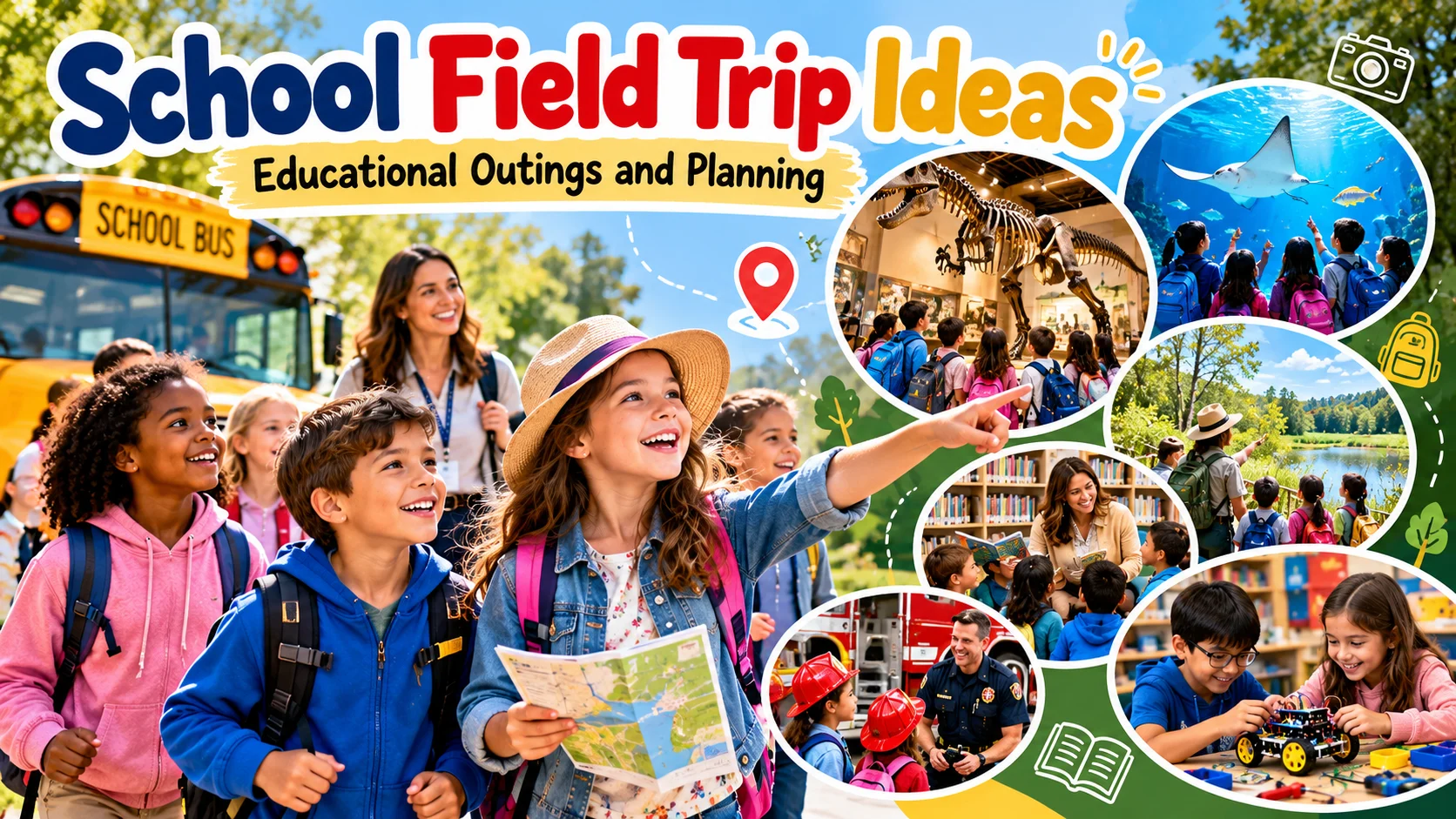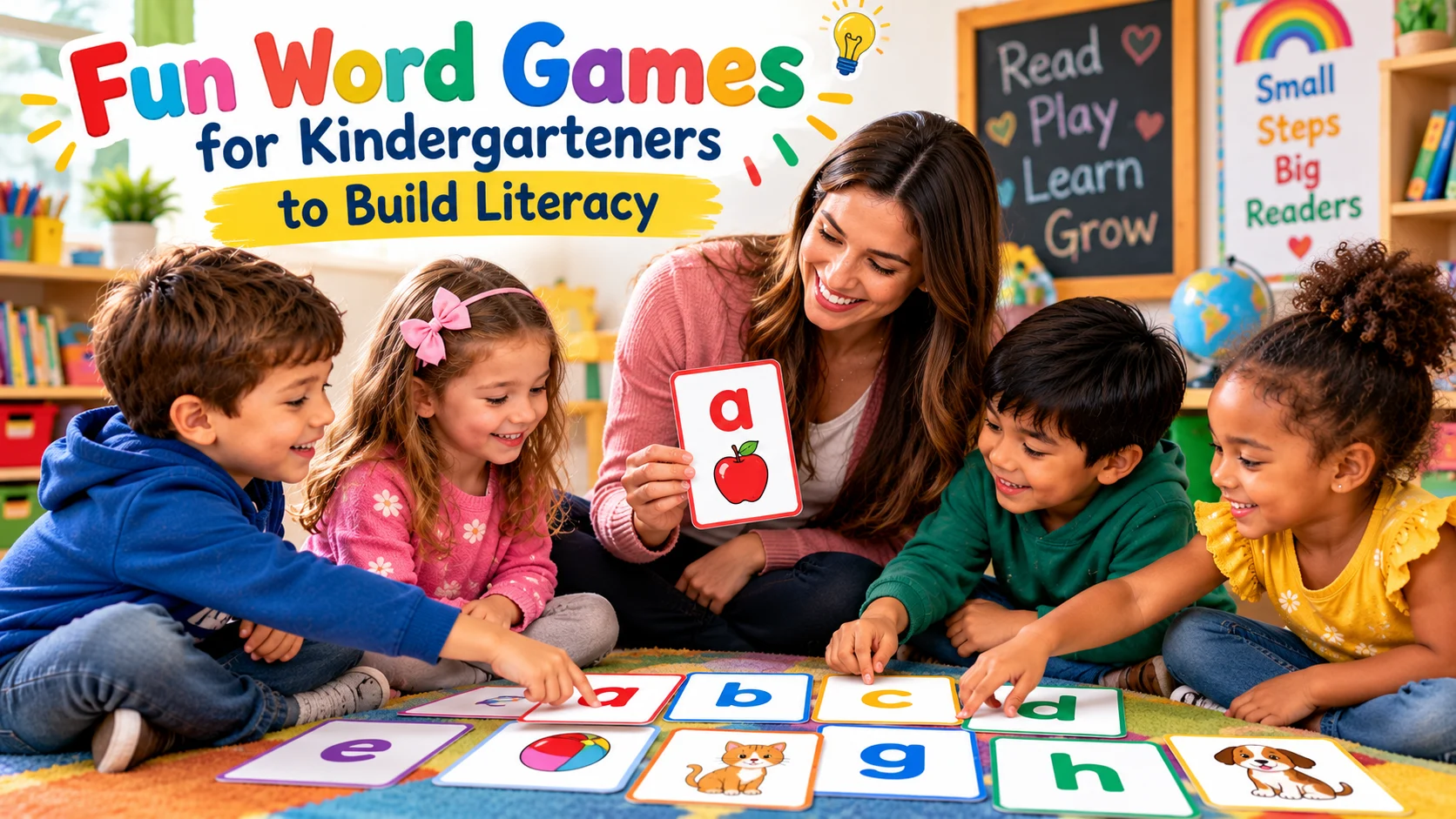

Learning does not have to stay inside four classroom walls. A visit to a museum, a walk through a botanical garden, or a trip to a local farm can turn everyday lessons into exciting real-world experiences.
The best school field trip ideas combine fun with meaningful learning. Students get opportunities to explore new environments, ask questions, observe how things work, and connect classroom lessons to the world around them.
However, planning successful field trips takes more than choosing an interesting destination. Teachers must consider student ages, educational goals, safety, transportation, accessibility, and available budgets.
This guide explores 20 educational field trip ideas for elementary students, along with practical planning tips, budget-friendly alternatives, and classroom activities to make every outing worthwhile.
What Is a School Field Trip?
A school field trip is an organized educational experience that takes students outside their regular classroom to explore a place, activity, or subject connected to their learning.
Field trips can take place at museums, farms, libraries, science centers, historical sites, parks, and other community locations. Some schools also organize virtual field trips or educational activities on campus.
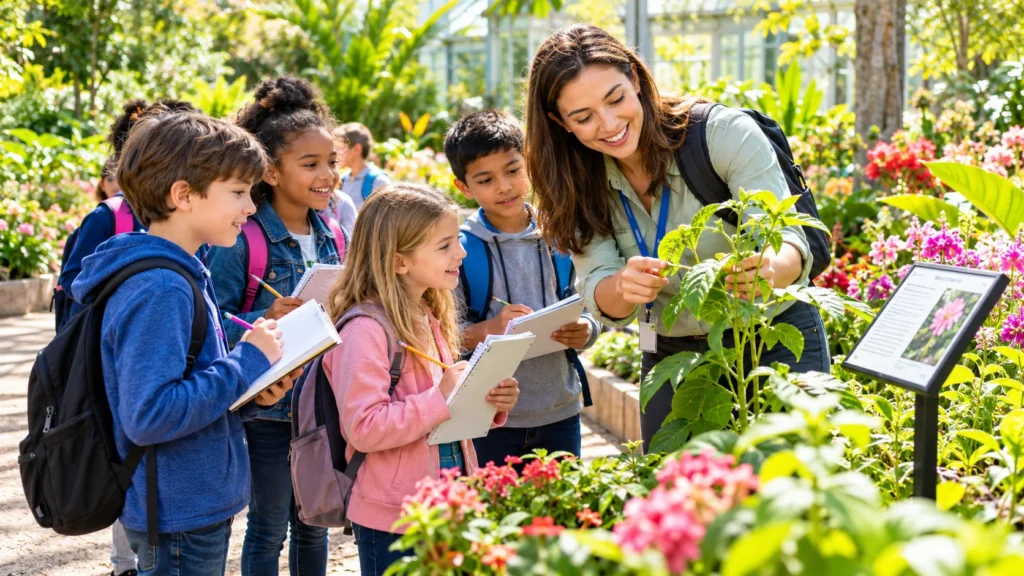
For example, students learning about plants might visit a botanical garden to observe different species. A class studying community helpers could tour a fire station and learn how firefighters protect their neighborhood.
The purpose is to help students understand classroom concepts through observation, exploration, and practical experiences.
Why Are Educational Field Trips Important?
Well-planned field trips can support learning in ways that traditional classroom activities alone may not provide.
1. Encourage Hands-On Learning
Students can examine objects, observe natural processes, and participate in interactive demonstrations instead of relying only on books and pictures.
2. Connect Lessons to Real Life
A science lesson about ecosystems becomes more meaningful when students observe plants, insects, and animal habitats in a nature reserve.
3. Develop Social and Communication Skills
Group outings give students opportunities to listen, cooperate, follow instructions, ask questions, and communicate with people outside their classroom.
4. Inspire Curiosity and Critical Thinking
Visiting unfamiliar places encourages children to investigate how things work, make comparisons, and think about new ideas.
5. Build Community Awareness
Visits to libraries, community gardens, and local public services help students understand their surroundings and the people who contribute to their community.
The educational value of a field trip depends on its learning objectives, the activities students complete, and how teachers reinforce the experience afterward.
20 Fun and Educational School Field Trip Ideas:
Choosing the right destination depends on your students’ ages, curriculum, interests, and available resources. The following ideas offer opportunities for learning across science, history, literacy, art, and community studies.
Museum and History Field Trip Ideas:
1). Natural History Museum
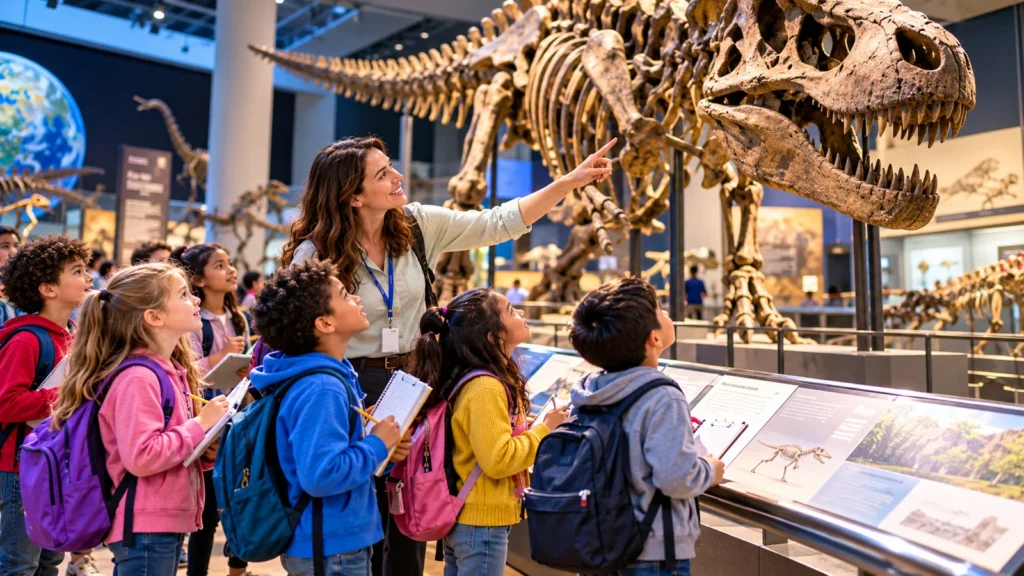
A natural history museum gives children opportunities to explore fossils, dinosaurs, minerals, wildlife, and Earth’s history.
- Best for: Grades 1–5
- Learning focus: Science, prehistoric life, and observation
- Activity idea: Ask students to sketch a fossil or identify three facts about an extinct animal.
Check whether the museum offers school tours, guided presentations, or interactive exhibits.
2). Children’s Museum
Children’s museums often provide hands-on learning spaces featuring creative play, building stations, science experiments, and interactive exhibits.
- Best for: Kindergarten–Grade 3
- Learning focus: Problem-solving, creativity, and early STEM
- Activity idea: Have students construct a simple structure and explain how it works.
Choose exhibits that match your students’ developmental abilities and interests.
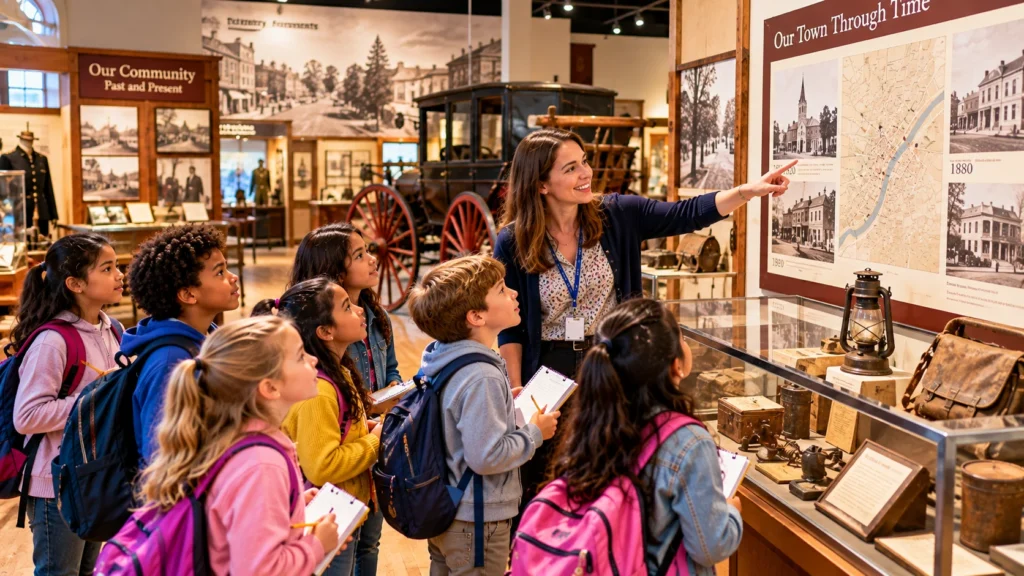
3). Local History Museum
Local history museums introduce students to the people, traditions, and events that shaped their communities.
- Best for: Grades 2–5
- Learning focus: History, culture, and social studies
- Activity idea: Ask students to compare an everyday object from the past with its modern equivalent.
Teachers can connect this visit to lessons about community development and historical change.
4). Historic Landmark or Heritage Site
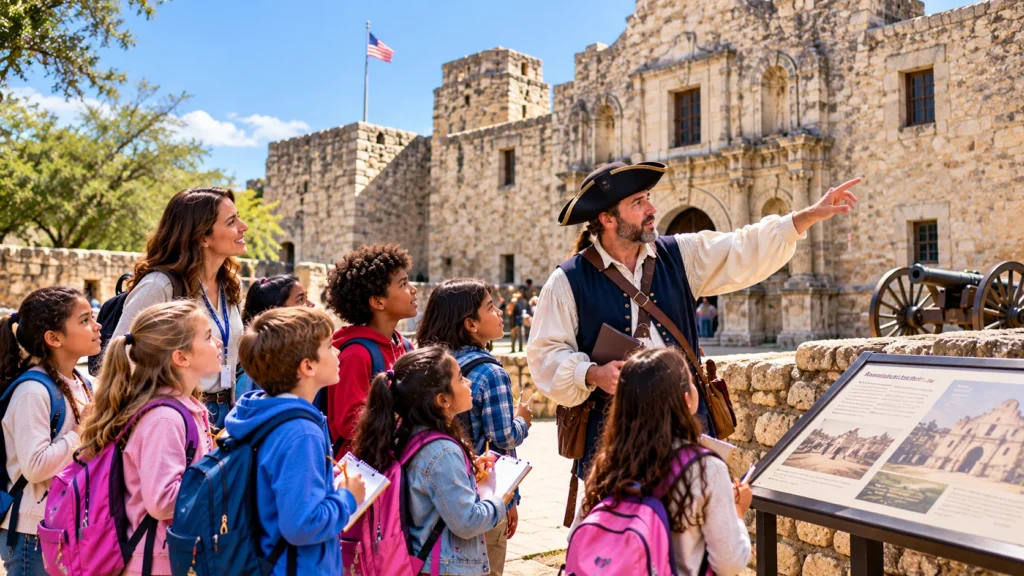
Historic buildings, monuments, and preserved locations provide opportunities to explore architecture, historical events, and community heritage.
- Best for: Grades 3–5
- Learning focus: History, geography, and cultural awareness
- Activity idea: Create a simple timeline of important events connected to the site.
Provide students with background information before visiting so they can better understand what they see.
5). Art Museum or Gallery
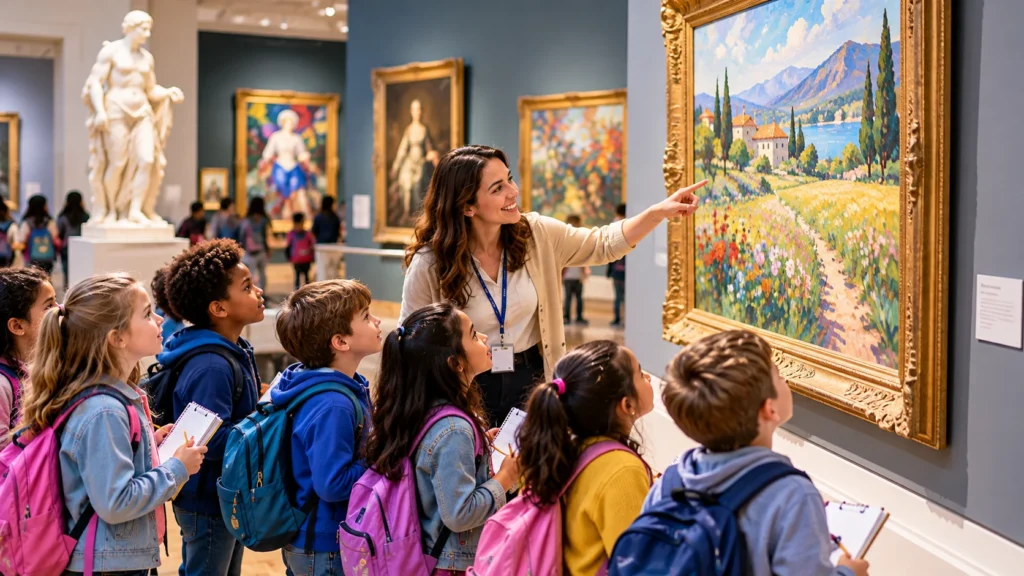
An art museum introduces students to different artistic styles, materials, and ways of expressing ideas.
- Best for: Kindergarten–Grade 5
- Learning focus: Visual arts, creativity, and observation
- Activity idea: Let students choose one artwork and describe its colors, shapes, and possible meaning.
After returning to school, students can create artwork inspired by their favorite exhibit.
Nature and Outdoor Field Trip Ideas:
6). Botanical Garden
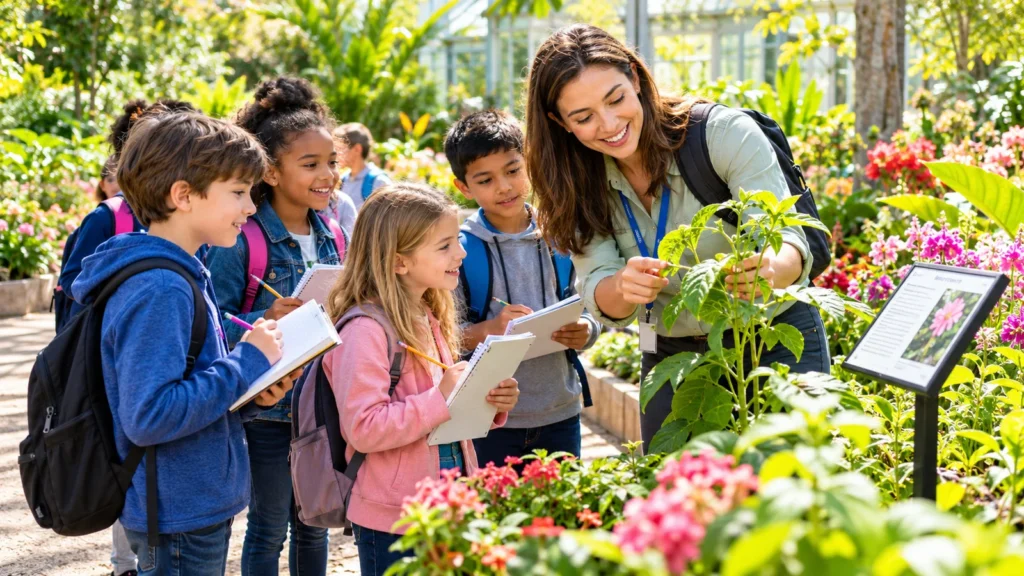
Botanical gardens allow students to discover different plants, flowers, trees, and growing environments.
- Best for: Kindergarten–Grade 5
- Learning focus: Plant life cycles, biodiversity, and environmental science
- Activity idea: Organize a leaf-shape or plant-feature observation hunt.
Remind students to follow garden rules and avoid picking plants unless permitted.
7). Zoo or Wildlife Education Center
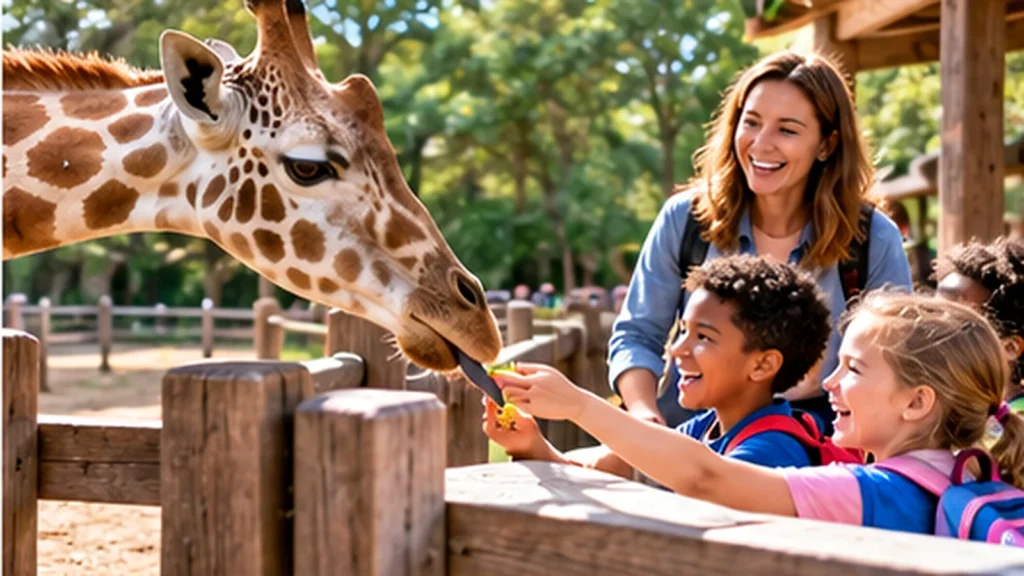
A wildlife education visit can help students learn about animal adaptations, habitats, conservation, and responsible wildlife protection.
- Best for: Kindergarten–Grade 5
- Learning focus: Zoology, ecosystems, and conservation
- Activity idea: Have students compare how two animals move, eat, or adapt to their habitats.
Choose facilities with suitable educational programs and appropriate animal welfare practices.
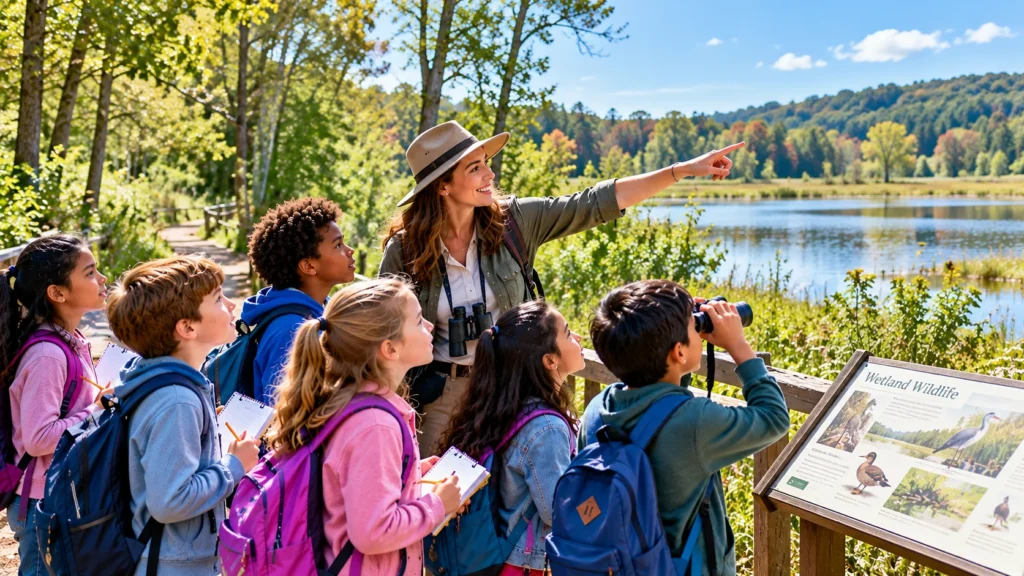
8). Nature Reserve or Public Park
A nature walk is one of the most accessible educational field trip ideas for schools with limited budgets.
- Best for: Kindergarten–Grade 5
- Learning focus: Habitats, weather, plants, and local ecosystems
- Activity idea: Give students an observation sheet to record birds, insects, trees, and weather conditions.
Select designated paths suitable for your students and check the weather before departure.
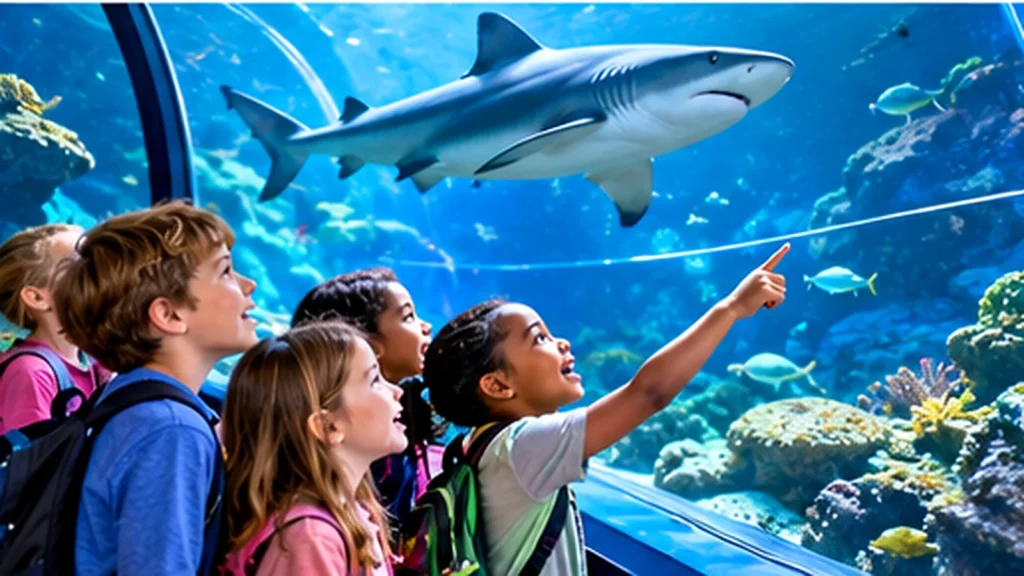
9). Aquarium
Aquariums provide opportunities to observe fish, aquatic animals, and underwater environments.
- Best for: Kindergarten–Grade 5
- Learning focus: Marine biology, habitats, and adaptations
- Activity idea: Ask students to compare freshwater and saltwater environments or identify different forms of aquatic movement.
Many aquariums offer guided school programs that connect exhibits to science topics.
Science and STEM Field Trip Ideas:
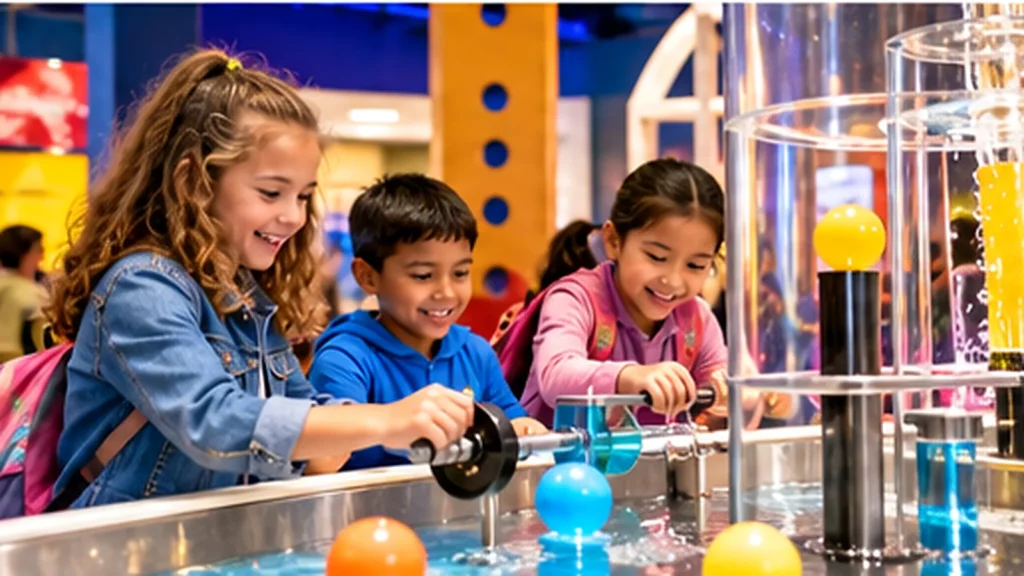
10). Interactive Science Center
Science centers allow students to explore scientific ideas through experiments, demonstrations, and interactive exhibits.
- Best for: Grades 1–5
- Learning focus: Physics, engineering, scientific inquiry, and problem-solving
- Activity idea: Challenge students to predict the outcome of an experiment before testing it.
Teachers can organize activities around electricity, forces, magnets, energy, or simple machines.
11). Planetarium
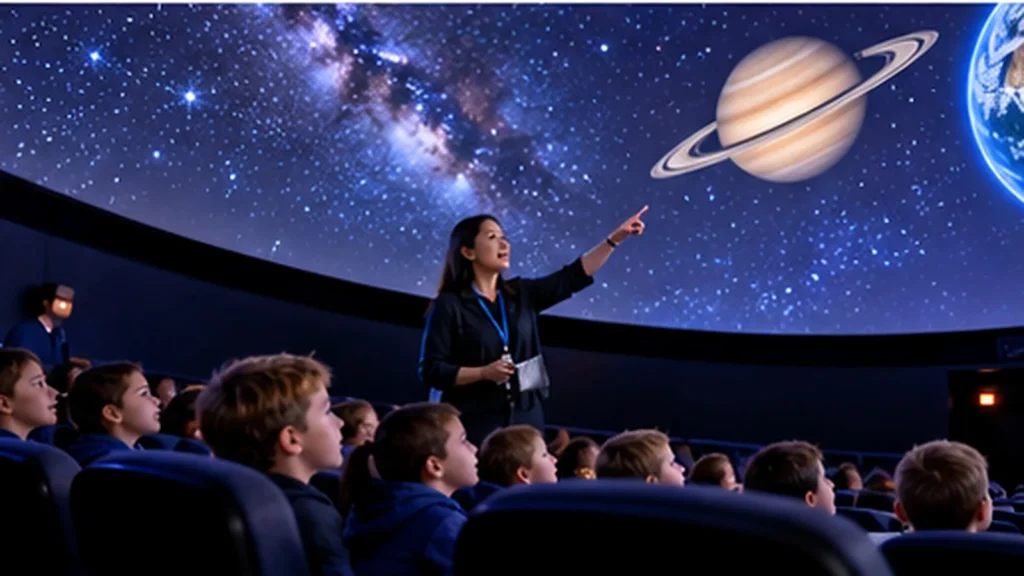
A planetarium visit introduces students to planets, stars, the Moon, and the solar system through immersive presentations.
- Best for: Grades 2–5
- Learning focus: Astronomy and space science
- Activity idea: Have students identify planets and explain one difference between Earth and another planet.
Check presentation schedules and age recommendations before arranging the visit.
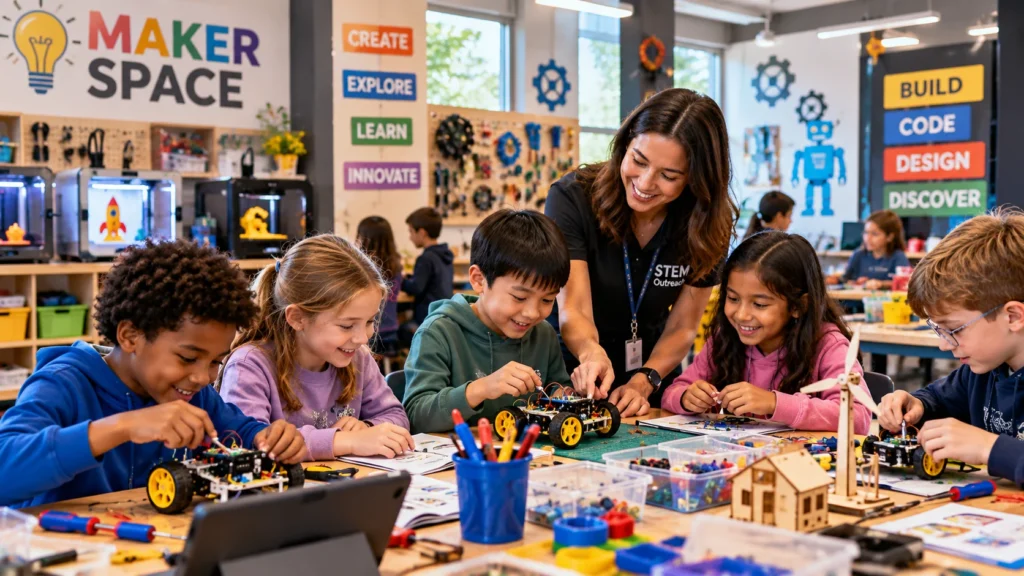
12). Children’s Technology or Maker Workshop
Maker spaces and technology workshops encourage students to design, build, test, and improve their own creations.
- Best for: Grades 3–5
- Learning focus: Engineering, technology, and creative problem-solving
- Activity idea: Ask teams to build a bridge using approved classroom materials.
Choose supervised activities with equipment and materials appropriate to the students’ ages.
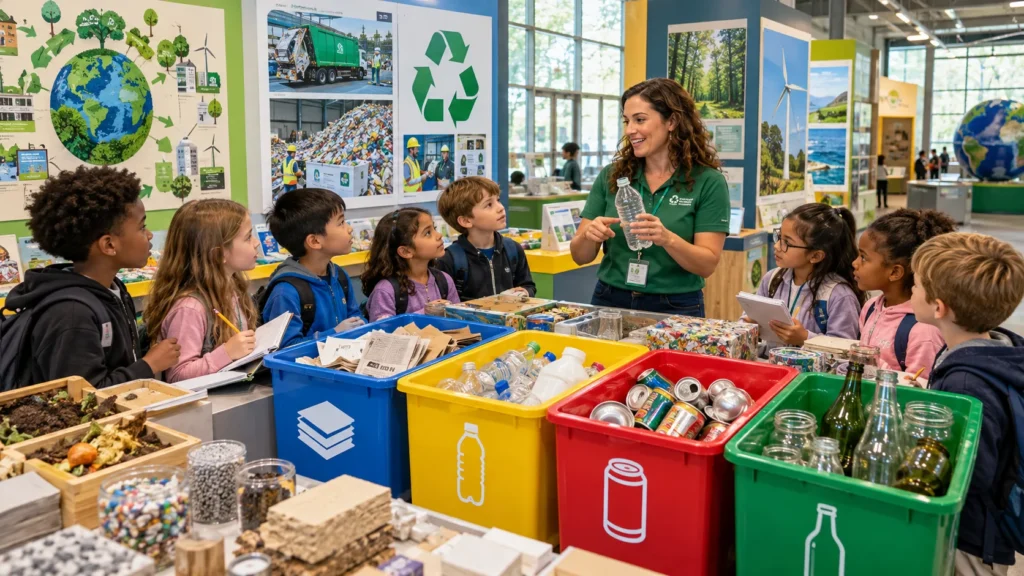
13). Recycling or Environmental Education Center
A recycling center with an approved visitor program can show students how waste is sorted, processed, and managed.
- Best for: Grades 3–5
- Learning focus: Sustainability, waste management, and environmental responsibility
- Activity idea: Have students identify recyclable materials and design a classroom waste-reduction plan.
Many operational facilities do not allow children into processing areas, so confirm educational tour arrangements and safety restrictions.
14). University Science Outreach Program
Some universities offer educational demonstrations, science workshops, or outreach events designed for school groups.
- Best for: Grades 3–5
- Learning focus: Scientific inquiry, experiments, and careers in STEM
- Activity idea: Let students prepare questions for a scientist or university educator.
Contact the university in advance to confirm whether age-appropriate school programs are available.

Community and Career Exploration Field Trips:
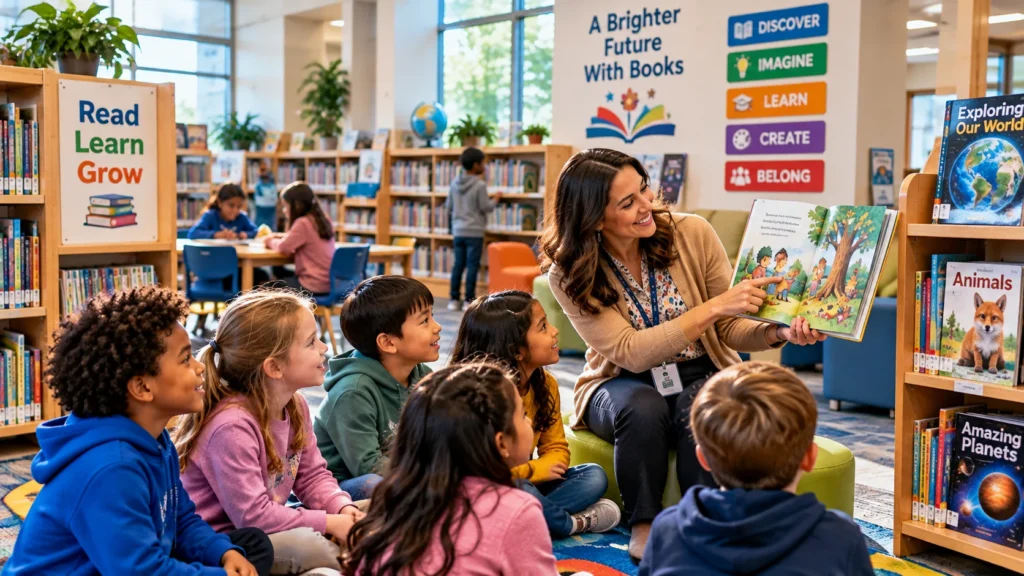
15). Public Library
A library visit introduces children to reading resources, research tools, storytelling, and community learning services.
- Best for: Kindergarten–Grade 5
- Learning focus: Literacy, research, and independent reading
- Activity idea: Organize a book scavenger hunt using genres, topics, and author names.
Libraries may offer free class tours or storytelling sessions by arrangement.
Best School Field Trip Ideas by Grade Level:
Not every field trip is equally suitable for every age group. Younger students often benefit from shorter, sensory-rich experiences, while older elementary students may enjoy structured investigations and more complex questions.
| Grade Level | Recommended Field Trips | Main Learning Goal |
|---|---|---|
| Kindergarten | Farm, library, botanical garden | Observation, vocabulary, and sensory exploration |
| Grade 1 | Children’s museum, nature center | Basic science and discovery |
| Grade 2 | Aquarium, art museum, community garden | Habitats, creativity, and community learning |
| Grade 3 | Science center, history museum | Experiments and historical understanding |
| Grade 4 | Planetarium, recycling education center | Astronomy and environmental science |
| Grade 5 | Heritage site, maker workshop, university outreach | Research, engineering, and critical thinking |
These recommendations are flexible. Teachers should consider students’ interests, learning needs, accessibility, and local curriculum goals when choosing destinations.
Free and Low-Cost Field Trip Ideas for Schools
Educational field trips do not have to be expensive. Many communities offer learning opportunities that require little or no admission fee.
Affordable options may include:
- Public parks: Explore local plants, weather, and wildlife.
- Public libraries: Participate in storytelling, reading, or research activities.
- Community gardens: Observe plant growth and sustainable gardening.
- Self-guided historic walks: Explore local landmarks and community history.
- School-campus nature hunts: Study trees, insects, shadows, or weather without transportation.
- Virtual museum programs: Explore educational exhibits online.
Teachers can also ask destinations about student group discounts, free admission days, school partnerships, and educational grants.
Budget tip: A free destination does not necessarily mean a free field trip. Include transportation, supplies, meals, accessibility arrangements, and any additional supervision costs when planning.
How to Plan a Successful School Field Trip:
A well-organized field trip begins with clear educational goals and realistic expectations.
Step 1: Define Your Learning Objectives
Decide what students should understand or be able to explain after the trip.
For example, a farm visit could focus on plant life cycles, food production, or animal care.
Step 2: Choose an Age-Appropriate Destination
Select a place that matches students’ interests, learning abilities, mobility needs, and curriculum requirements.
Check whether the destination offers suitable group activities and facilities.
Step 3: Create a Realistic Budget
Calculate possible expenses for admission, transportation, meals, materials, and additional arrangements.
Ask about school discounts and financial support before finalizing the plan.
Step 4: Confirm Dates and School Approval
Contact the destination to verify availability, group policies, guided tour options, and accessibility.
Follow school or district procedures for approval and scheduling.
Step 5: Arrange Permissions and Transportation
Distribute required permission forms and organize approved transportation.
Make sure families receive essential details, including the destination, schedule, expected costs, and preparation requirements.
Step 6: Prepare Students and Supervisors
Explain trip objectives, behavior expectations, group assignments, meeting points, and emergency procedures.
Assign clear responsibilities to approved adult supervisors according to school policy.
Step 7: Prepare Educational Activities
Create observation worksheets, scavenger hunts, reflection questions, or simple research tasks.
Activities should reinforce learning without preventing students from enjoying the experience.
Step 8: Evaluate the Experience
After returning, ask students to discuss what they observed, what surprised them, and how the experience connects to classroom lessons.
Use their responses to improve future trips.
Educational Activities Before, During, and After a Field Trip:
The learning experience should begin before students leave school and continue after they return.
Before the Field Trip
Introduce the destination and important vocabulary. Show students photographs, discuss what they expect to see, and encourage them to prepare questions.
Example: Before a botanical garden visit, ask students what plants need to survive.
During the Field Trip
Encourage careful observation, active listening, and thoughtful questions.
Useful activities include:
- Picture or vocabulary scavenger hunts
- Observation journals
- Guided question sheets
- Sketching exhibits or natural objects
- Comparing different plants, animals, or historical artifacts
Example: During a museum visit, students could record three interesting discoveries and one question for further research.
After the Field Trip
Help students organize and explain what they learned.
Students can write short reflections, create drawings, prepare posters, or share discoveries during class discussions.
Example: After a farm visit, students could create a simple diagram explaining how a vegetable grows from seed to harvest.
Follow-up activities make it easier for teachers to assess whether the trip met its learning objectives.
Virtual and On-Campus Field Trip Ideas:
When transportation, cost, accessibility, or weather makes travel difficult, schools can still offer meaningful educational experiences.
Consider these alternatives:
Virtual museum tours: Use online exhibits to introduce students to art, science, and history.
Virtual space exploration: Explore age-appropriate astronomy videos and interactive space resources.
Wildlife observation: Watch educational live cameras or recorded wildlife footage and discuss animal behavior.
Classroom science stations: Create hands-on learning areas featuring magnets, simple machines, or plant experiments.
School garden exploration: Observe plants, soil, insects, and seasonal changes around the school.
Guest speaker sessions: Invite an approved community professional to explain their work and answer student questions.
Virtual experiences are most effective when paired with structured questions, discussion, or hands-on activities.
Common School Field Trip Planning Mistakes
Even an exciting destination may provide limited educational value without proper planning.
Choosing a Destination Without Learning Goals
A location may be entertaining but not connected to the curriculum.
Solution: Identify clear learning objectives before booking.
Underestimating Travel and Activity Time
An overcrowded schedule can leave students tired and reduce opportunities for exploration.
Solution: Allow time for transitions, meals, restroom breaks, and unexpected delays.
Forgetting Individual Student Needs
Students may require accessible routes, sensory accommodations, medical support, or other arrangements.
Solution: Review individual needs and available facilities early in the planning process.
Skipping Student Preparation
Students who do not understand the destination or expectations may find the experience confusing.
Solution: Introduce the topic and explain trip rules beforehand.
Ignoring Follow-Up Activities
Without reflection, teachers may miss opportunities to reinforce important concepts.
Solution: Plan a short classroom discussion, worksheet, or creative project after the outing.
Frequently Asked Questions About School Field Trips:
What are the best field trip ideas for elementary students?
Popular educational options include natural history museums, science centers, botanical gardens, farms, aquariums, libraries, and community gardens. The best choice depends on students’ ages, learning objectives, and available resources.
What are some inexpensive school field trips?
Public parks, libraries, community gardens, school-campus nature walks, and self-guided historical activities are often affordable. Always check admission and transportation costs in advance.
What makes a field trip educational?
An educational field trip has clear learning objectives, age-appropriate activities, opportunities for observation and discussion, and follow-up lessons that connect the experience to classroom learning.
How far in advance should teachers plan a field trip?
Planning time varies by destination and school requirements. Begin early enough to secure approvals, reservations, transportation, supervision, family permissions, and necessary accommodations. Popular destinations may need to be booked well ahead of time.
What should students bring on a field trip?
Depending on the destination, students may need comfortable clothing, suitable footwear, water, lunch, weather protection, and teacher-approved learning materials. Schools should provide families with a destination-specific packing list.
What are good field trips for kindergarten students?
Kindergarten students often enjoy libraries, farms, children’s museums, botanical gardens, and short nature walks. Choose supervised, age-appropriate activities with manageable schedules and opportunities for hands-on exploration.
Can schools organize field trips without leaving campus?
Yes. Schools can arrange nature observation walks, science exploration stations, garden activities, virtual museum tours, and educational guest speaker sessions without traveling to another location.