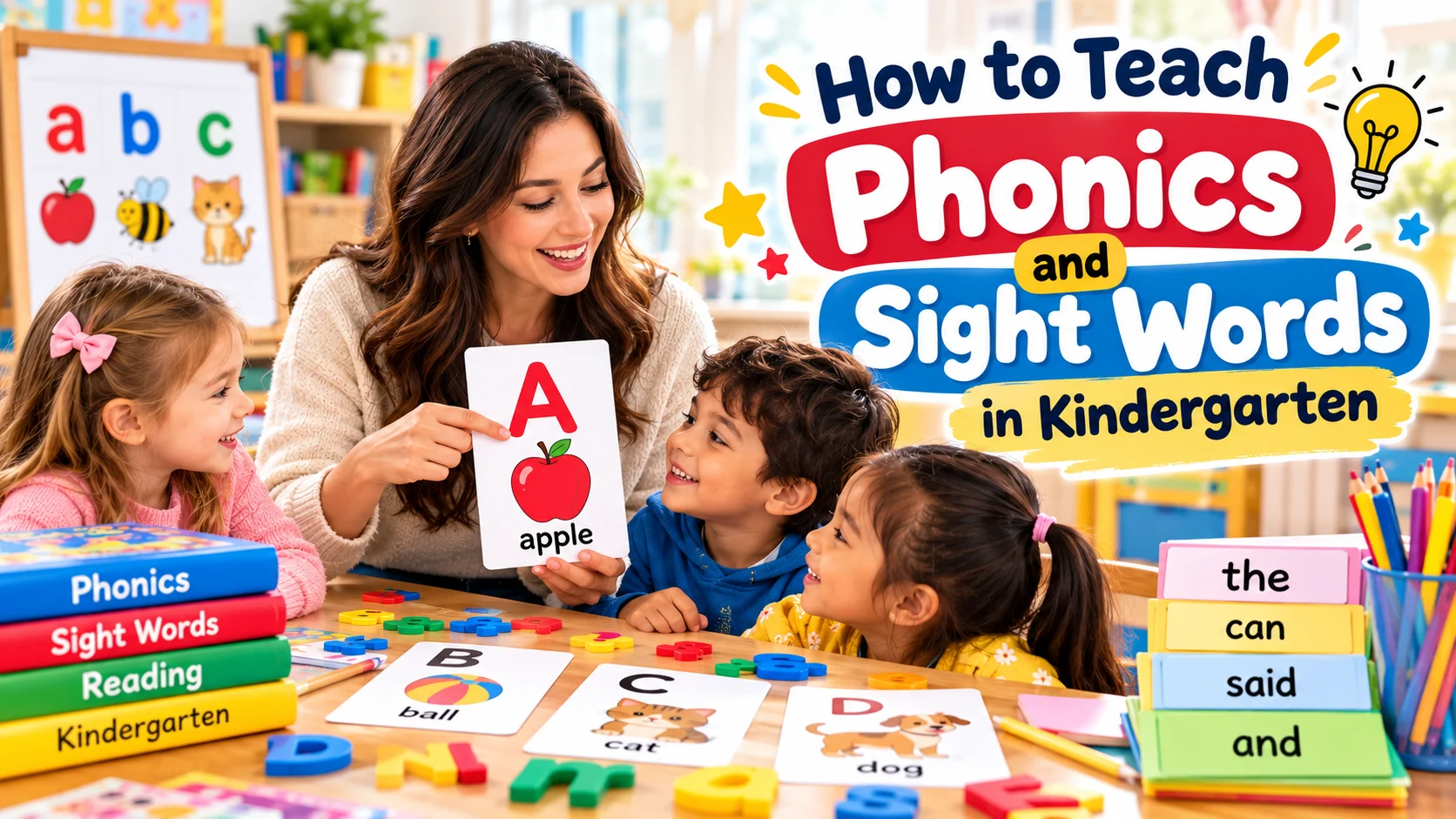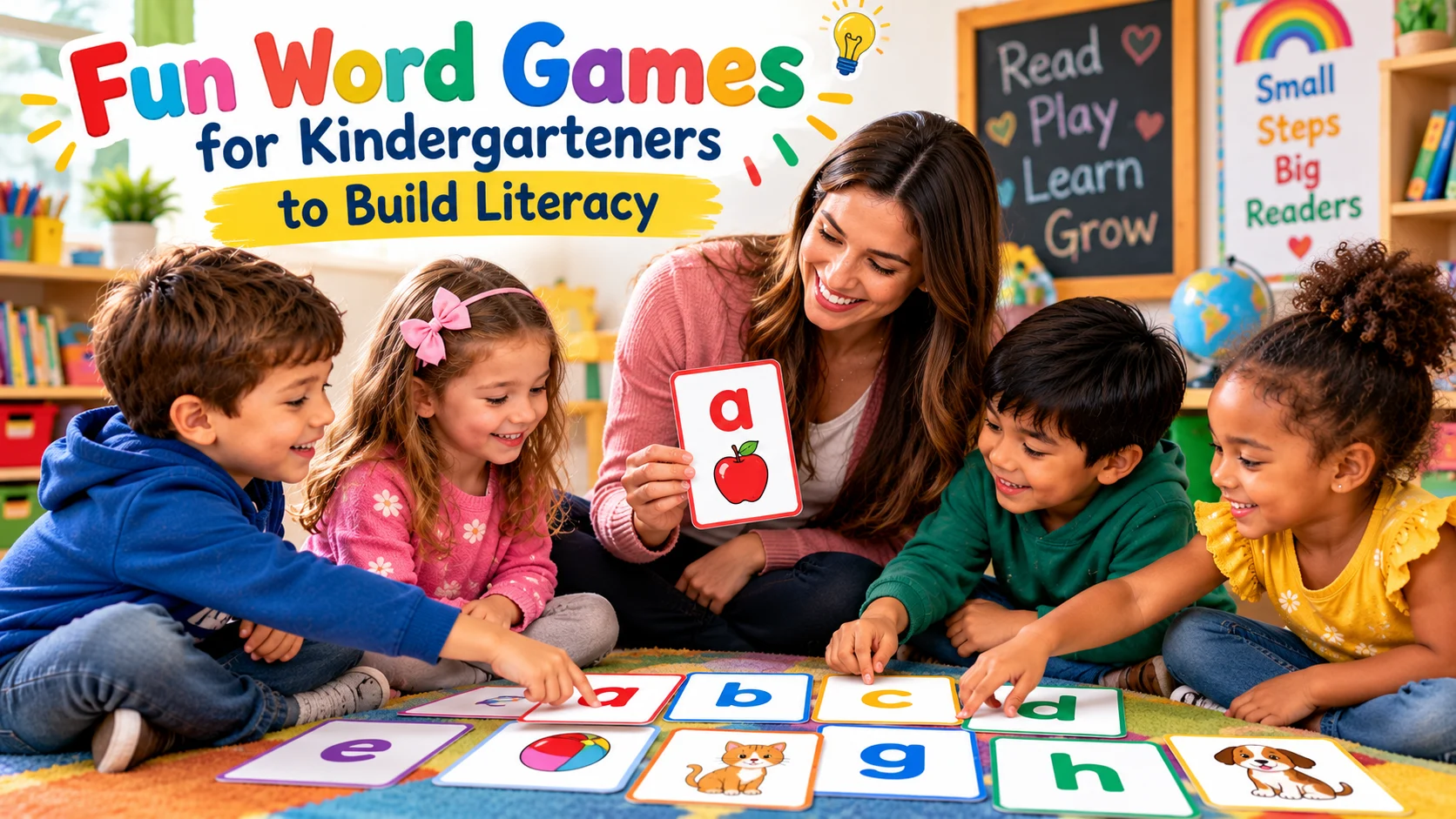

Teaching children to read is one of the most rewarding parts of kindergarten, but it can also be challenging. Some students recognize every letter of the alphabet yet struggle to read simple words. Others remember familiar words but have difficulty sounding out new ones. The solution is to build strong connections between spoken sounds, written letters, and meaningful words. Phonics for kindergarten helps children understand how letters represent sounds, while sight word instruction helps them recognize familiar written words quickly and accurately. When taught together, these skills support confident beginning readers.
In this guide, you’ll learn how to teach phonics and sight words step by step, explore engaging letter activities, and discover practical strategies for classroom and home learning.
Why Phonics and Sight Words Matter in Kindergarten
Kindergarten is an important time for developing foundational literacy skills. Children begin understanding that spoken words contain individual sounds and that letters represent those sounds in predictable ways.
For example, a child who knows the sounds represented by c, a, and t can learn to blend them into the word cat. With practice, the child may eventually recognize cat automatically without sounding it out each time.
Phonics instruction helps children:
- Recognize relationships between letters and sounds.
- Blend individual sounds to read words.
- Break spoken words into sounds for spelling.
- Decode unfamiliar words independently.
- Develop greater accuracy and confidence when reading.
Sight word learning supports fluent reading by helping children recognize familiar words automatically.
These skills work together. Phonics provides tools for figuring out words, and repeated successful word reading helps children develop automatic recognition.
What Is Phonics for Kindergarten?
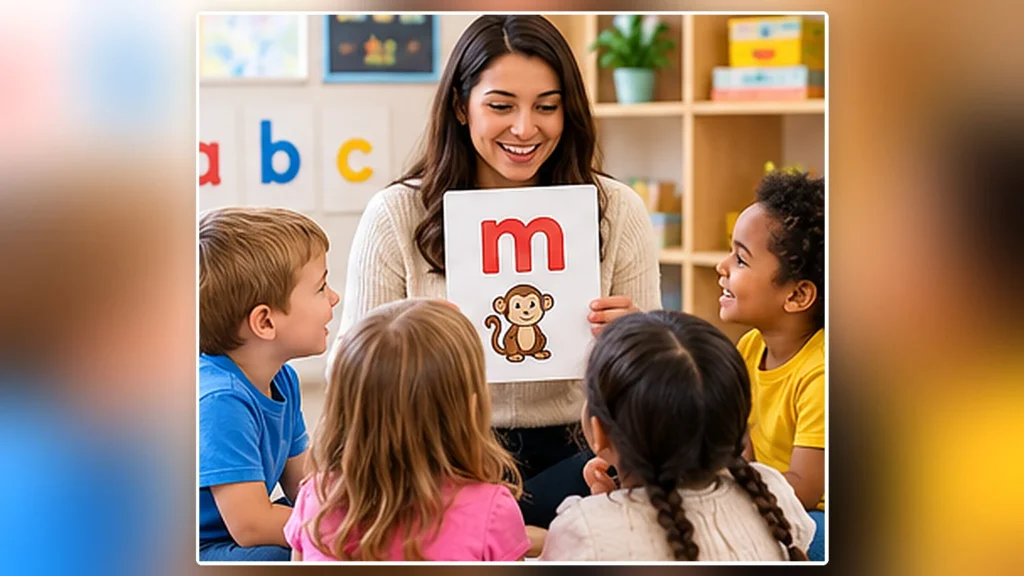
Phonics is a method of teaching children how letters and groups of letters represent sounds in spoken language.
Rather than memorizing every written word, children learn sound–spelling relationships that help them read many different words.
For example:
| Letter | Common sound | Example word |
|---|---|---|
| M | /m/ | Moon |
| S | /s/ | Sun |
| T | /t/ | Tap |
| A | Short /a/ | Apple |
| P | /p/ | Pig |
Once children recognize these sounds, they can begin combining them to read simple words.
For example, they can blend the three sounds in map to read the whole word.
Phonemic Awareness vs. Phonics
Although these terms are closely related, they describe different skills.
Phonemic awareness is the ability to hear and work with individual sounds in spoken words without looking at letters.
For example, a teacher might ask:
“What is the first sound you hear in sun?”
The child responds with /s/.
Phonics connects those spoken sounds to written letters.
For example, the teacher shows the letter s and explains that it represents the /s/ sound in sun.
Both skills are important. Children benefit from practicing spoken sounds while learning how those sounds connect to print.
How to Teach Phonics to Kindergarten Students Step by Step
Effective phonics lessons follow a clear sequence. Teachers model a skill, practice it with students, and then provide opportunities for independent application.
Here are five practical steps.
Step 1: Build Awareness of Sounds in Spoken Words
Before expecting children to decode written words, help them notice sounds in speech.
Start with simple listening activities.
Activity: Beginning Sound Detective
- Say a familiar word, such as moon.
- Ask students to listen carefully to the first sound.
- Repeat the word slowly while emphasizing /m/.
- Invite children to say the sound.
- Repeat using words such as map, mouse, and milk.
Once students understand beginning sounds, introduce ending sounds and activities that involve blending or separating sounds.
For example, say /s/ /ŭ/ /n/ slowly and ask students to identify the word sun.
These activities develop the listening skills children will use during phonics instruction.
Step 2: Introduce Letters and Their Sounds
Teach a small, manageable set of letter–sound relationships instead of introducing many unfamiliar letters simultaneously.
For example, an early group might include:
s, a, t, m
These letters allow children to begin creating words such as sat, mat, and Sam.
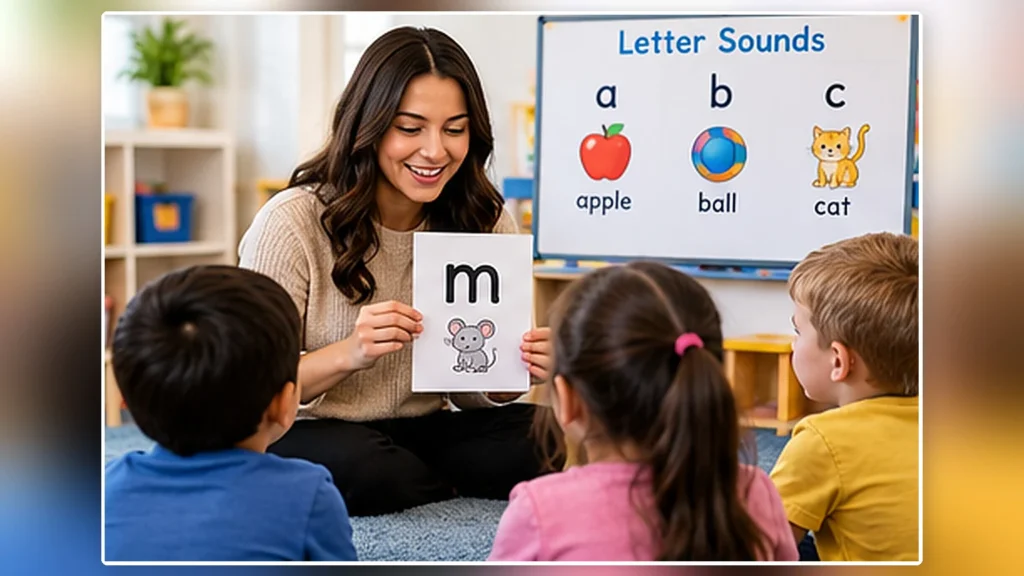
When introducing a letter:
- Show its uppercase and lowercase forms.
- Say its name.
- Model its common sound clearly.
- Ask students to repeat the sound.
- Show a familiar picture that begins with that sound.
- Practice identifying and writing the letter.
When modeling consonants, avoid adding an unnecessary “uh” sound. For instance, teach /m/ rather than “muh.”
Teaching tip: Review previously learned letter sounds before introducing new ones. The exact order should follow your school’s evidence-based phonics sequence.
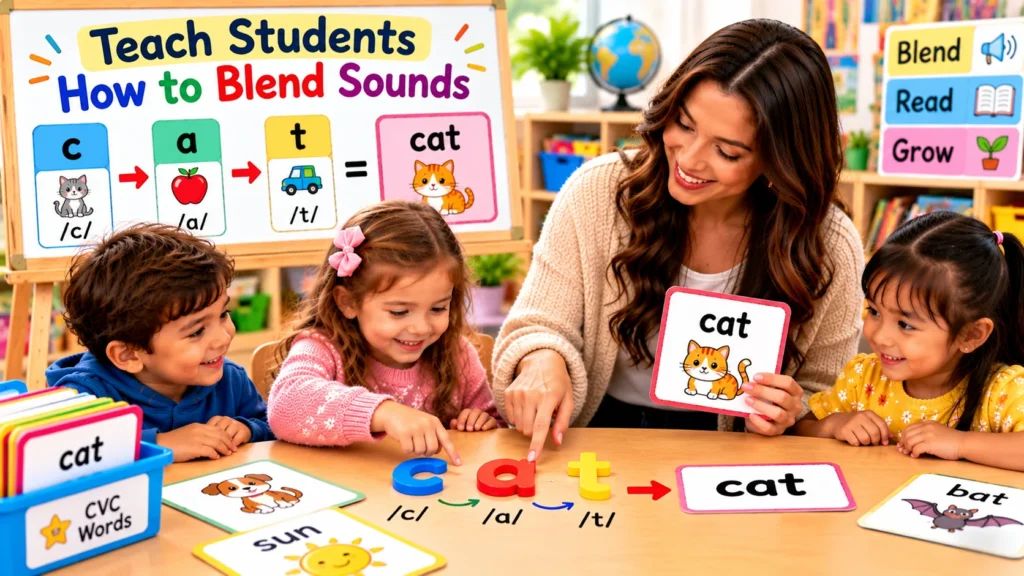
Step 3: Teach Students How to Blend Sounds
Blending is the process of combining individual sounds into a spoken word.
Begin with short consonant-vowel-consonant (CVC) words.
For example:
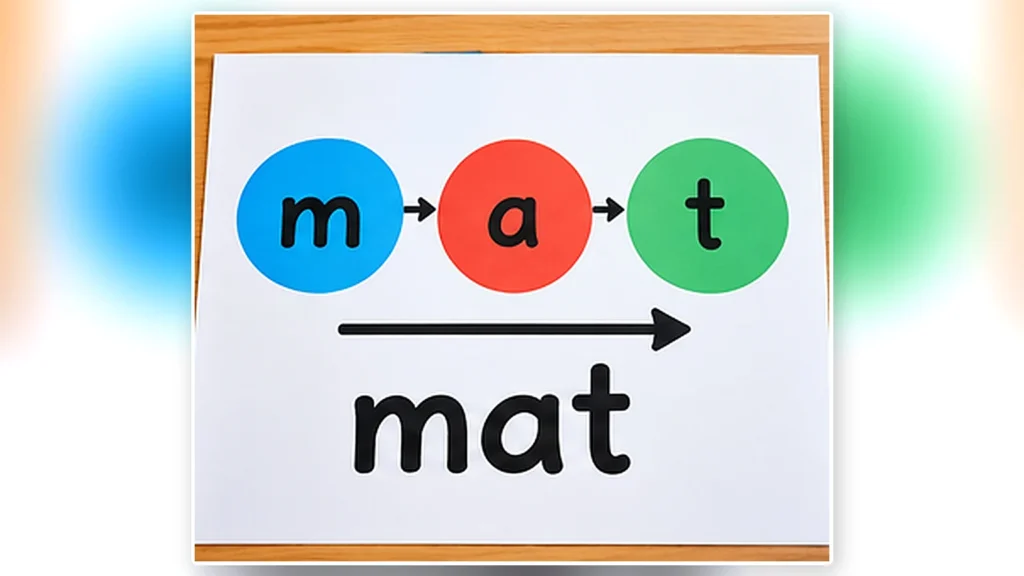
/m/ + /ă/ + /t/ = mat
Write mat on the board and point to each letter while modeling its sound.
Then demonstrate how to blend the sounds smoothly to pronounce the whole word.
Ask students to repeat the process with you before trying independently.
Beginner-friendly blending words:
| Word | Practice focus |
|---|---|
| sat | Short a |
| mat | Short a |
| map | Short a |
| pin | Short i |
| sit | Short i |
| sun | Short u |
Only introduce words containing sound–spelling relationships students have already learned.
If a child struggles, model the blending process again rather than asking the child to guess the word from a picture.
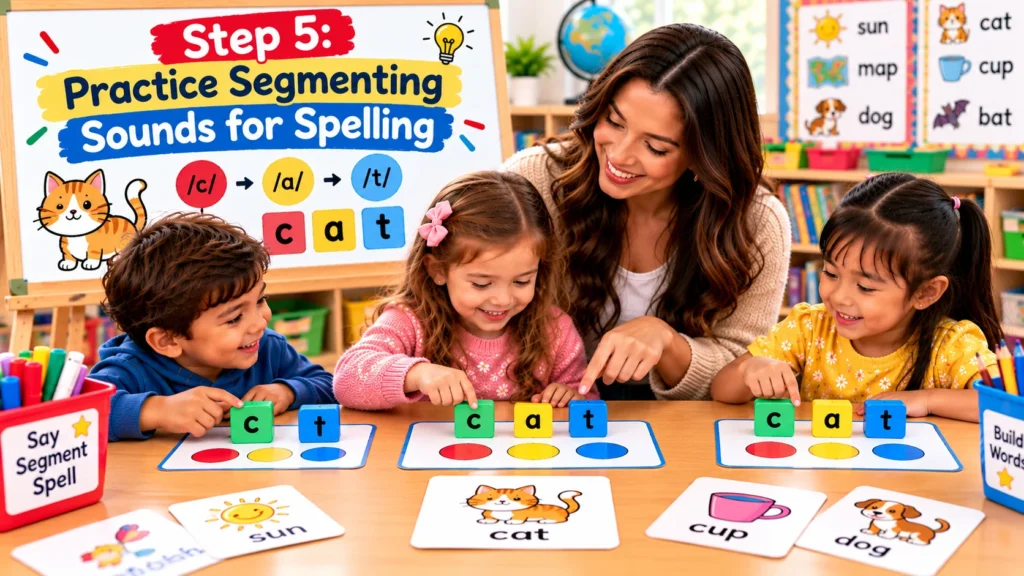
Step 4: Practice Segmenting Sounds for Spelling
After students develop basic word-reading skills, give them opportunities to apply phonics in short sentences.
For example:
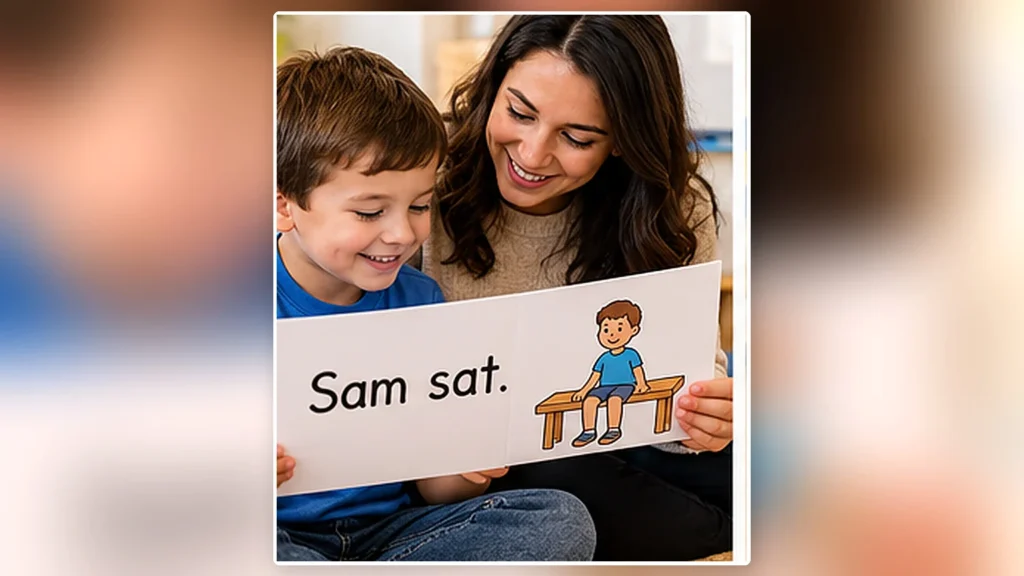
Sam sat.
Point to each word as students read. Help them blend unfamiliar words and recognize words they have successfully practiced before.
As students learn additional letter–sound patterns, gradually introduce longer sentences and short decodable texts.
Always discuss what the sentence means. Accurate word reading and reading comprehension should develop together.
Fun Letter Activities for Kindergarten:
Young learners benefit from short, purposeful activities that let them hear, see, say, and write letters.
These five letter activities help reinforce phonics skills while keeping students engaged.
1). Alphabet Letter Hunt
Skill: Letter identification and sound recognition
Materials: Alphabet cards, magnetic letters, or printed letter cutouts.
How to play:
- Place several familiar letters around the classroom.
- Ask students to find a particular letter.
- Have them name the letter and say its sound.
- Ask them to think of a word beginning with that sound.
For example, a student finds m, says /m/, and suggests moon.
For additional practice, ask students to match uppercase and lowercase forms.
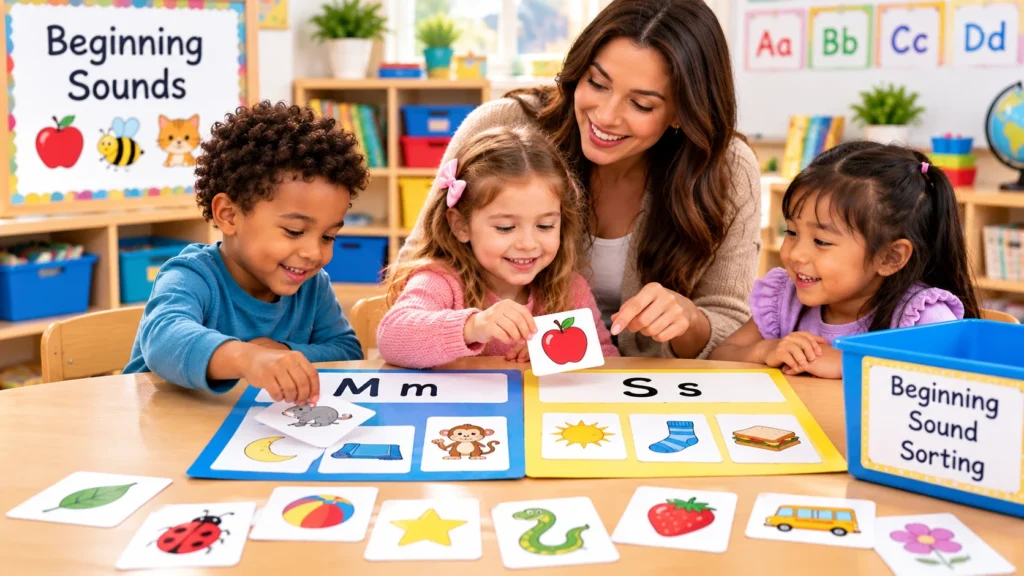
2). Beginning Sound Sorting
Skill: Identifying beginning sounds
Materials: Picture cards and letter cards.
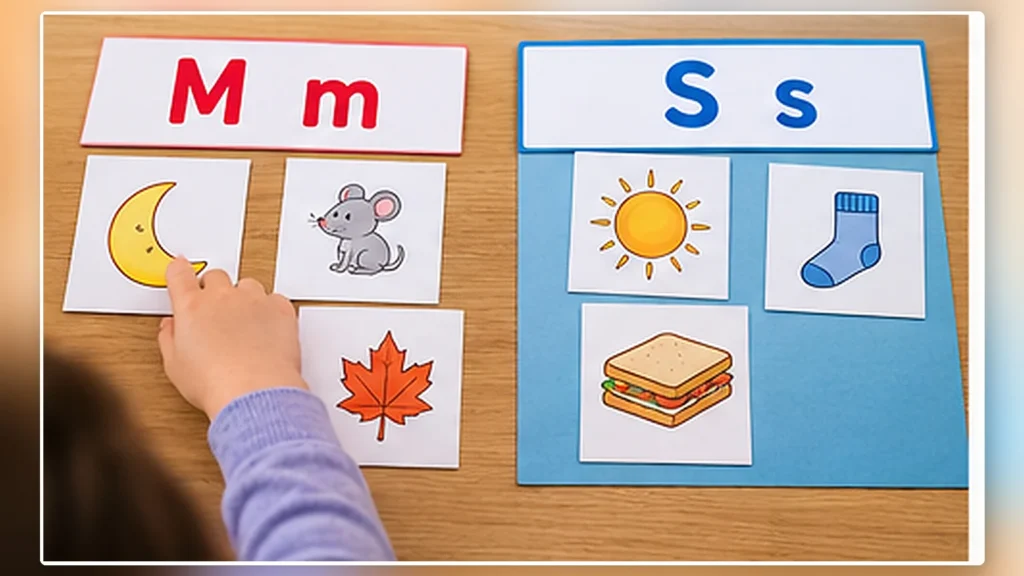
Prepare pictures of familiar objects such as a moon, mouse, sun, sock, map, and sandwich.
Create two groups labeled M and S.
Children say each picture’s name, listen for the first sound, and place it in the correct group.
This activity helps students pay attention to spoken sounds rather than relying only on the appearance of written words.
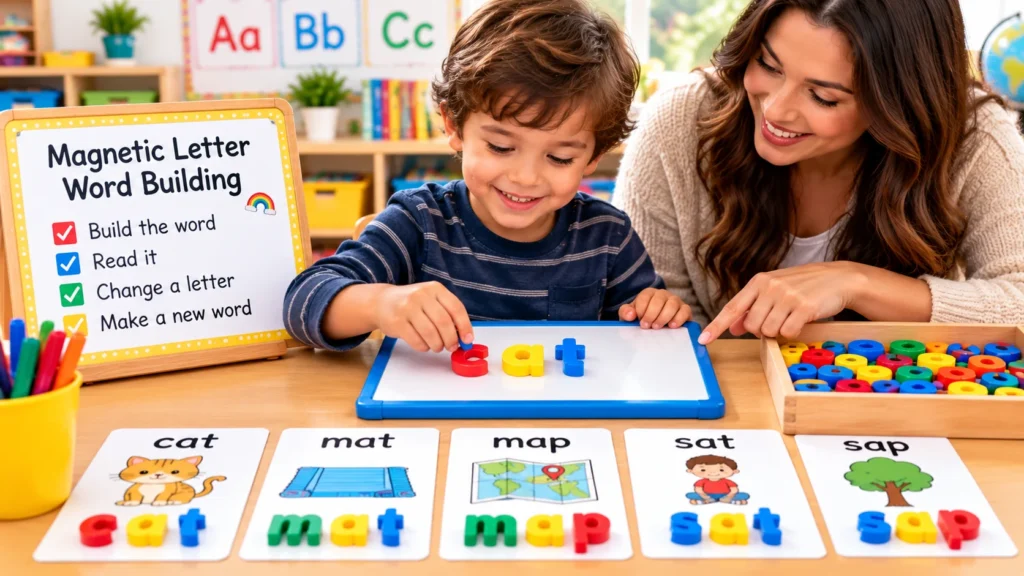
3). Magnetic Letter Word Building
Skill: Blending, segmenting, and spelling
Materials: Magnetic letters and a small magnetic board.
Choose a word such as sat.
Ask children to build it with magnetic letters, read it aloud, and change one letter to create a new word.
For example:
- sat → mat
- mat → map
- map → sap
Use word chains that match the letter sounds already taught.
This activity shows children how changing a letter can change a word’s sounds and meaning.
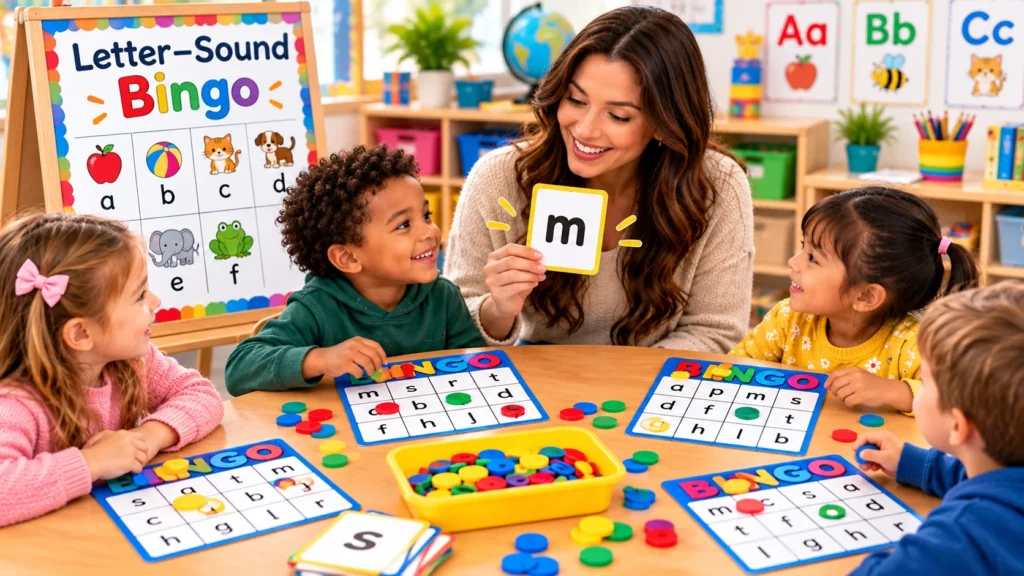
4). Letter–Sound Bingo
Skill: Recognizing letters from spoken sounds
Materials: Bingo cards containing letters and small markers.
Give each student a bingo card filled with letters.
Instead of calling out letter names, say a sound such as /t/.
Students locate and cover the letter representing that sound.
Continue until someone completes the agreed pattern.
For extra reinforcement, ask students to name a word containing the target sound.
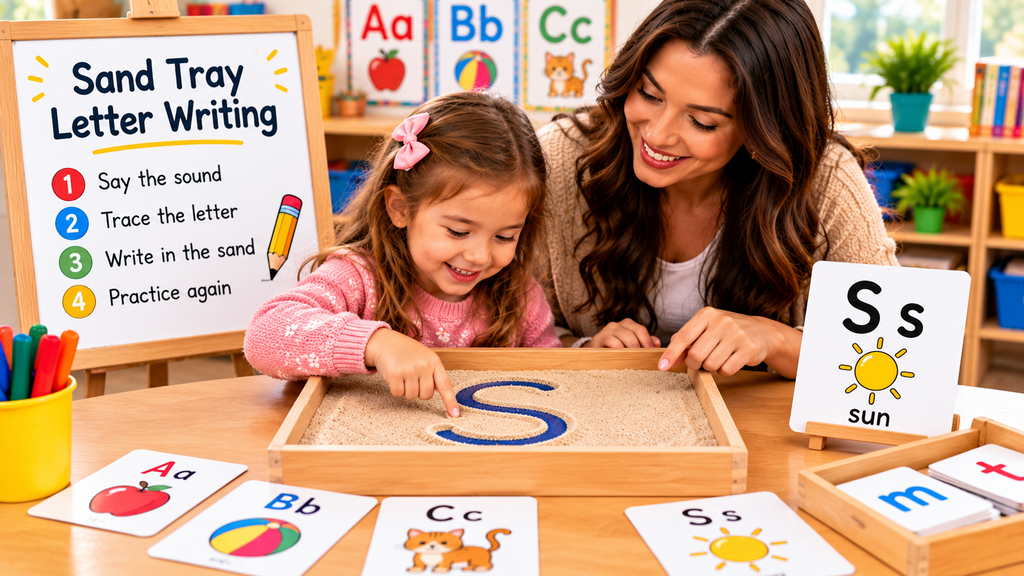
5). Sand Tray Letter Writing
Skill: Letter formation and sound–letter connections
Materials: A shallow tray containing a thin layer of sand or another suitable writing material.
Show students a letter, model its sound, and demonstrate how to form it.
Children trace the letter while saying its sound.
For example, they write s while saying /s/.
This combines letter recognition, writing practice, and speech.
Use age-appropriate materials, supervise the activity, and offer paper-and-pencil alternatives when sensory materials are unsuitable.
What Are Sight Words in Kindergarten?
Sight words are words a reader recognizes accurately and automatically, without needing to sound them out aloud each time.
Many common classroom sight word lists include high-frequency words, which are words that appear often in written language.
However, sight words and high-frequency words are not exactly the same thing.
A high-frequency word is common in print. A sight word is any word an individual reader can recognize automatically.
For example, can is a regularly spelled word that children can learn to decode and eventually recognize instantly.
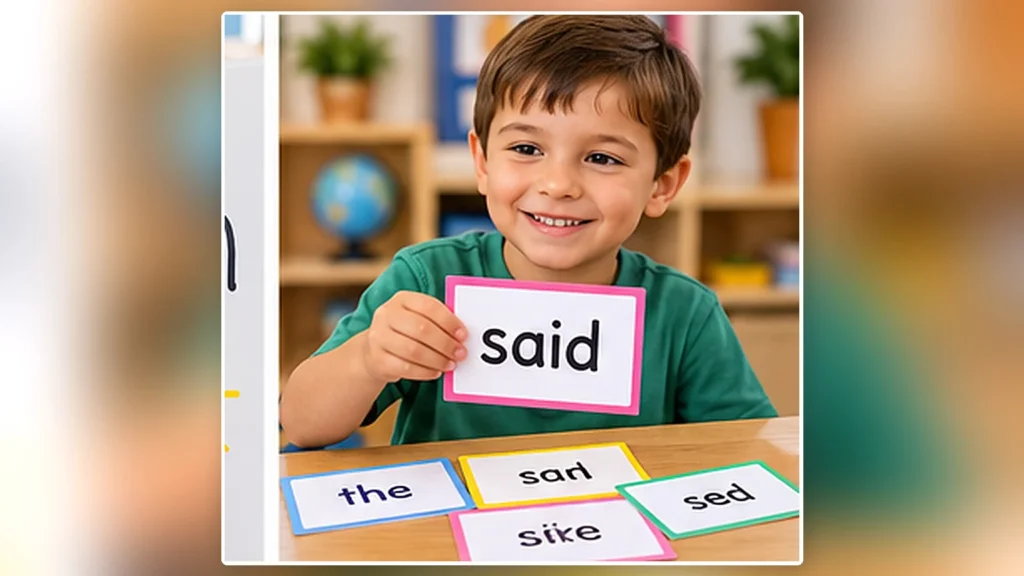
Words such as said contain less predictable spelling patterns. Children can still learn them by connecting their sounds with their written letters and identifying the unusual parts.
| Phonics | Sight word recognition |
|---|---|
| Teaches sound–spelling relationships | Describes automatic recognition of familiar words |
| Helps decode unfamiliar words | Supports efficient reading of learned words |
| Requires attention to letters and sounds | Develops through successful word-reading practice |
| Examples: blending cat or sun | Examples: instantly recognizing cat, said, or the |
The goal is not simply to memorize the overall shape of a word. Children should understand its sounds and spelling as much as possible.
How to Teach Sight Words Step by Step
One effective approach is to connect a word’s pronunciation, spelling, and meaning through explicit instruction.
Here is a practical teaching routine using the word said.
Step 1: Introduce the Word
Write said in large, clear letters.
Say the word aloud and use it in a sentence:
“Mom said hello.”
Ask students to repeat the word.
Step 2: Identify the Sounds
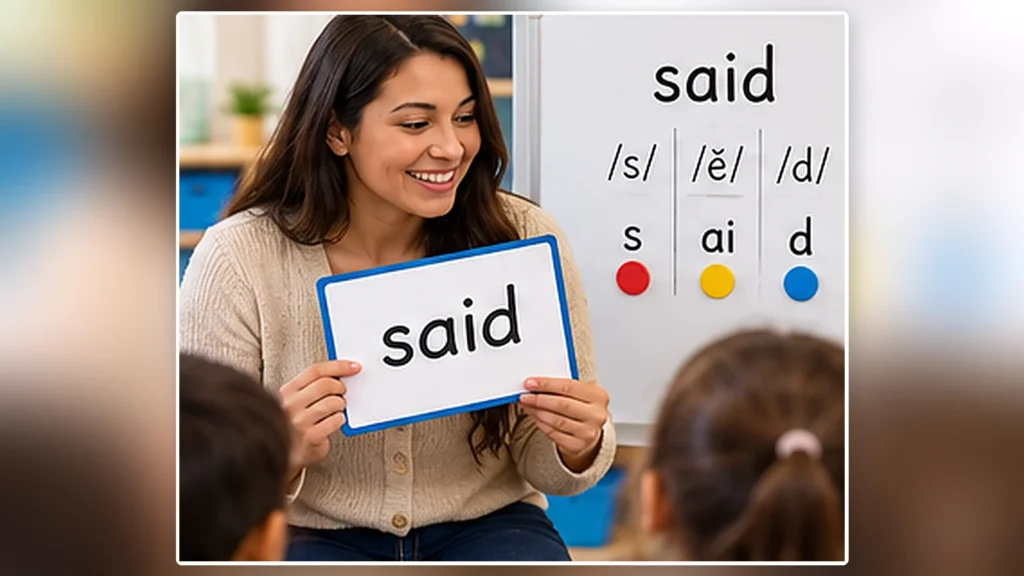
Say said slowly.
Help students identify its three sounds:
/s/ — /ĕ/ — /d/
Use three sound boxes or counters to represent those sounds.
Step 3: Connect Sounds to Letters
Show students how the written word represents the sounds.
| Sound | Spelling |
|---|---|
| /s/ | s |
| /ĕ/ | ai |
| /d/ | d |
Explain that ai represents the /ĕ/ sound in this particular word, even though children may have learned a different pronunciation of ai elsewhere.
This helps students notice exactly what is unusual about the spelling.
Step 4: Read and Build the Word
Model reading said.
Give children letter tiles and have them build the word while attending to its sound–spelling relationships.
Ask students to point to each letter or letter group as they say the corresponding sound.
Step 5: Practice Writing the Word
Remove the model and ask students to write said from dictation.
If they make an error, show the correct spelling again and review the sound–letter connections.
Repeat with guidance until the word becomes more familiar.
Step 6: Read the Word in Context
Provide a short sentence:
“Sam said yes.”
Help children read the entire sentence, providing support for any other spelling patterns they have not yet learned.
Review said in later lessons and different sentences to strengthen automatic recognition.
Teacher tip: Introduce a manageable number of new high-frequency words at a time and review previously taught words regularly.
Engaging Sight Word Games for Kindergarten
Games can provide extra practice after children have received explicit word instruction.
The following activities reinforce accurate recognition, spelling, and reading.
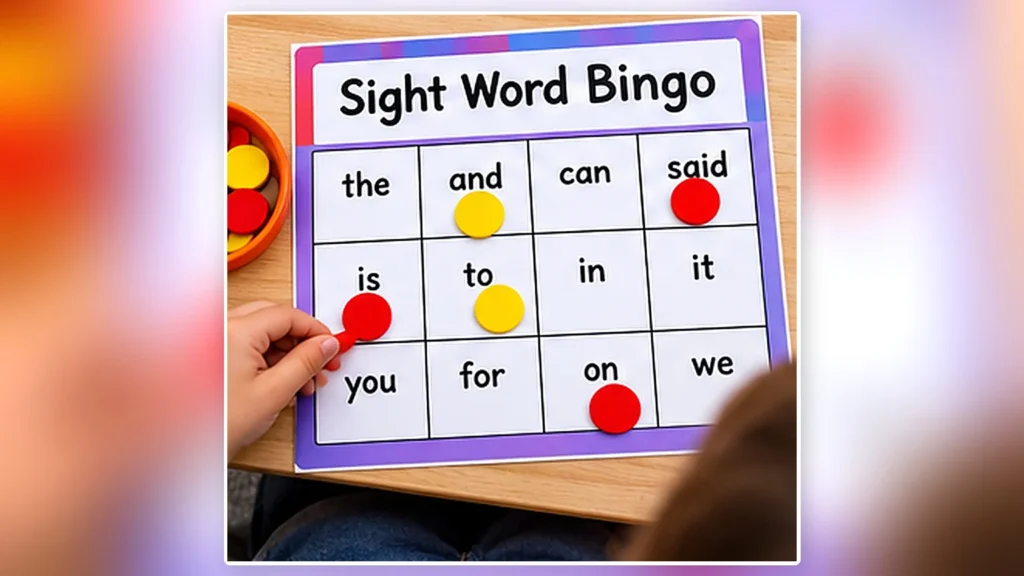
1). Sight Word Bingo
Prepare bingo cards containing previously taught words.
Say a target word and ask students to locate and read it.
Students cover the correct word with a marker.
After completing the game, invite children to read several words from their cards.
For children who need extra support, briefly revisit the sounds and spelling of a challenging word.
2). Read, Build, Write
Choose a familiar word.
Ask students to complete three steps:
- Read: Look at the printed word and read it aloud.
- Build: Make the word using letter tiles.
- Write: Write the word without looking at the original.
This approach provides opportunities to connect pronunciation with accurate spelling.

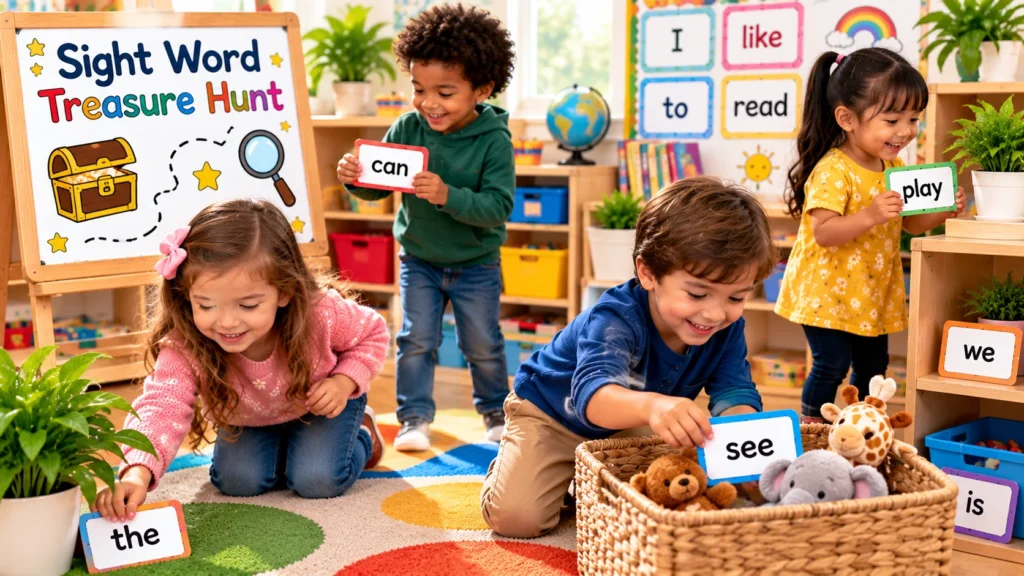
3). Sight Word Treasure Hunt
Place word cards around the classroom.
Give students a list of previously taught words.
Students locate each word, read it aloud, and record or match it on their lists.
For additional practice, ask them to use one of the words in a short spoken sentence.
4. Sight Word Sentence Builder
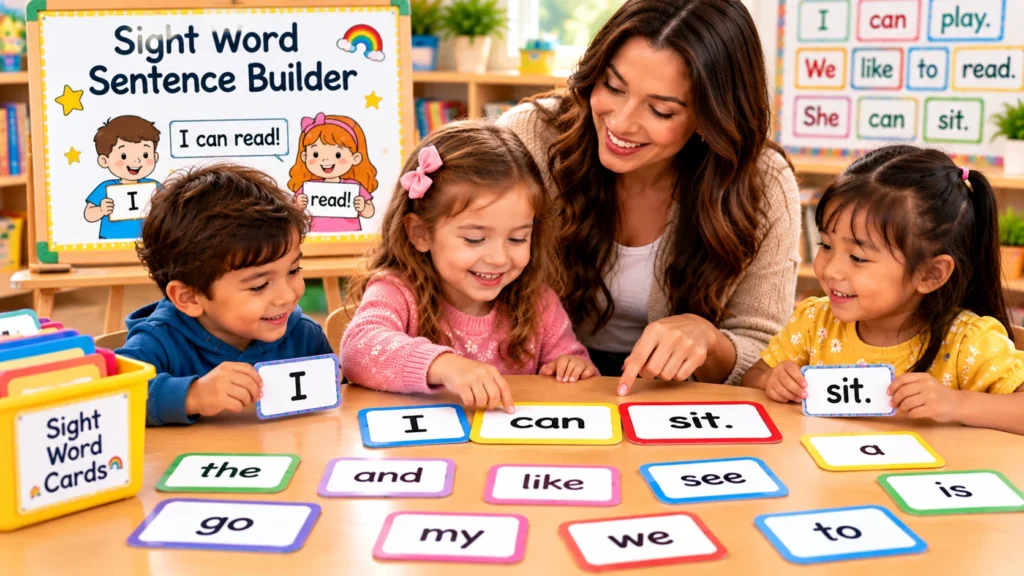
Provide word cards containing familiar words.
Students arrange the cards to create simple sentences.
For example:
I can sit.
Read the sentence together, check its meaning, and ask students to identify the words they can read automatically.
This activity connects word recognition to meaningful reading.
How to Combine Phonics and Sight Words in One Lesson:
Phonics and sight word instruction should support each other rather than compete for classroom time.
A teacher might begin by reviewing letter sounds, introduce a new spelling pattern, guide children through blending practice, and then review familiar high-frequency words.
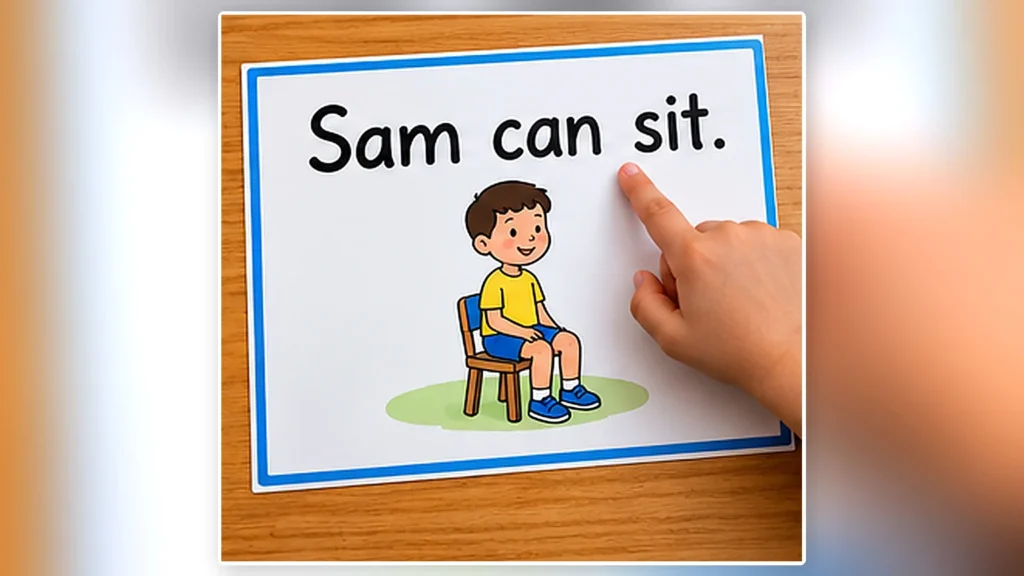
For example, after teaching the necessary letter–sound relationships, students might practice reading:
Sam can sit.
First, guide them through decoding words that are not yet automatic.
Next, ask students to read the sentence smoothly and explain what it means.
Finally, have them build or write one of the words.
This sequence allows children to apply phonics skills while developing faster recognition of familiar written words.
The exact words and activities should reflect the skills students have already learned.
Sample 20-Minute Kindergarten Phonics Lesson Plan:
A short, structured lesson can keep young learners focused while providing meaningful practice.
This example assumes students have already learned the letters s, a, t, and m.
| Time | Activity | Teaching example |
|---|---|---|
| 3 minutes | Sound awareness | Blend spoken sounds to identify sat |
| 4 minutes | Letter–sound review | Review s, a, t, and m |
| 5 minutes | Word blending | Read sat and mat |
| 5 minutes | Word and sentence practice | Read “Sam sat.” and build sat |
| 3 minutes | Quick assessment | Have students read or spell mat |
Example Teacher Script
Teacher: “Listen to these sounds: /s/ /ă/ /t/. What word do they make?”
Students: “Sat!”
Teacher: “Great. Now look at these letters: s-a-t. Let’s say each sound and blend them together.”
The teacher points to each letter, models smooth blending, and guides students through the word.
Teacher: “Now let’s change the first letter from s to m. What word do we have?”
Students: “Mat!”
This simple routine encourages active participation while strengthening sound–letter connections.
Remember: Twenty minutes is an example of a small-group or focused lesson segment, not a universal requirement for total daily literacy instruction.
How to Help Kindergarteners Who Struggle With Phonics:
Not every child learns letter sounds or blending at the same pace.
Some students need additional modeling and practice, while others benefit from smaller teaching groups or more frequent review.
Use Small-Group Instruction
Group students according to specific skills they need to practice.
For example, one group may work on identifying beginning sounds while another practices blending three-sound words.
Keep instruction targeted and reassess skills regularly.
Reduce the Number of New Sounds
When children struggle to remember several new letters, return to a smaller group of previously introduced sounds.
Provide repeated opportunities to identify, say, write, and use those letters in words.
Introduce new material once students demonstrate growing accuracy.
Model Blending Explicitly
If a student can identify each letter sound but cannot read the whole word, demonstrate smooth blending.
For example, stretch the sounds in mmmat and gradually say them together as mat.
Avoid encouraging students to guess words from illustrations.
Support Multilingual Learners
Children learning English may encounter sounds that are unfamiliar in their home languages.
Model pronunciation clearly, use familiar vocabulary, and give students opportunities to listen and practice without pressure.
A student’s knowledge of another language can be a valuable learning resource.
Monitor Persistent Difficulties
When a child continues to struggle despite targeted instruction, document the specific skills causing difficulty.
Discuss concerns with the school’s reading specialist or student support team and consider appropriate screening or additional assessment.
Early support is more helpful than waiting for difficulties to become more severe.
Easy Phonics and Sight Word Activities at Home:
Parents can strengthen classroom learning through short, enjoyable reading activities.
Expensive learning materials are not necessary. Letter cards, paper, pencils, and children’s books can provide useful practice.
Try a Sound Hunt
Choose a familiar sound such as /m/.
Ask your child to find objects or pictures whose names begin with that sound.
For example, they might identify a mug, mat, or marker.
Build Words With Letters
Use magnetic letters or homemade letter cards to build simple words from sounds your child has already learned.
Read each word together and change one letter to make another word.
Practice Familiar Words
Choose a few words your child’s teacher has already introduced.
Read them, discuss their spelling, and practice writing them.
Mix familiar words with a small amount of new practice.
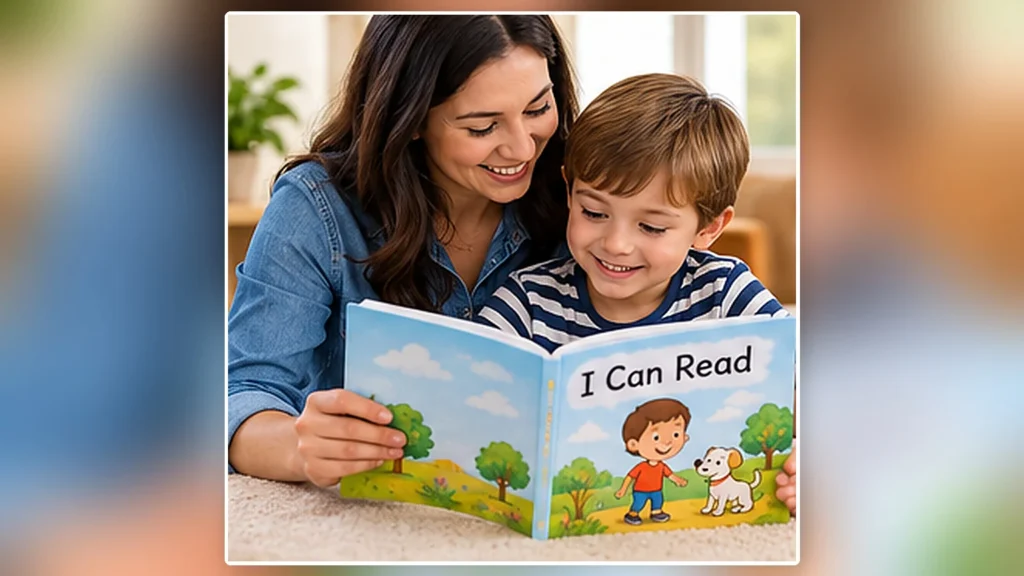
Read Together Every Day
Read enjoyable picture books aloud and talk about the story.
When appropriate, invite your child to read words or sentences containing phonics patterns they have learned.
Shared reading should remain enjoyable and should not become a constant word-reading test.
Keep Practice Short and Positive
A five- to ten-minute practice session is a reasonable starting point for many families.
Adjust the length based on your child’s attention, needs, and willingness to participate.
Consistency and supportive feedback matter more than completing large numbers of worksheets.
How to Track Phonics and Sight Word Progress
Simple assessments help teachers understand what students know and identify the next skill to teach.
Progress monitoring does not always require a formal test. Brief individual checks can provide useful information.
Kindergarten Phonics Progress Checklist:
| Reading skill | What to observe |
|---|---|
| Letter recognition | Identifies taught uppercase and lowercase letters |
| Letter–sound knowledge | Produces the sounds represented by taught letters |
| Phonemic awareness | Identifies and separates individual sounds in simple spoken words |
| Sound blending | Combines sounds to read taught word patterns |
| Word segmentation | Breaks spoken words into sounds for spelling |
| Word reading | Reads familiar decodable words accurately |
| Sight word recognition | Recognizes practiced words automatically |
| Sentence reading | Reads short, appropriately matched sentences |
| Comprehension | Explains the meaning of a simple sentence or text |
Teachers can record whether each skill is emerging, developing, or independently demonstrated.
For example, a student may recognize the letters s, a, and t but still need guidance blending them into sat.
This observation suggests that additional blending instruction may be more useful than introducing another set of letters immediately.
Track progress over time rather than judging reading ability from a single performance.
Common Mistakes to Avoid When Teaching Phonics
Even engaging activities may produce limited results if essential reading skills are not taught clearly.
1. Teaching Too Many Sounds at Once
Introducing numerous unfamiliar letters can make it harder for children to remember and apply them.
Teach a manageable sequence with regular review.
2. Relying Only on Flashcard Memorization
Flashcards may help children practice familiar words, but they should not replace instruction connecting sounds and spelling.
Include decoding, word building, and writing activities.
3. Encouraging Students to Guess From Pictures
Pictures can support vocabulary and comprehension, but guessing a printed word from an illustration is not the same as decoding it.
Encourage students to attend to the letters and apply the phonics patterns they have learned.
4. Using Games Without a Clear Learning Objective
A letter game should reinforce a specific reading skill.
Before beginning an activity, decide whether students are practicing sound awareness, letter recognition, blending, spelling, or word reading.
5. Skipping Review
Children need repeated opportunities to apply previously taught skills.
Include cumulative practice so students revisit earlier sounds and words while learning new material.
6. Comparing Children Too Closely
Kindergarten students develop literacy skills at different rates.
Use individual progress and skill-based assessments to guide instruction while providing additional support when needed.
Frequently Asked Questions About Kindergarten Phonics:
What phonics skills should kindergarten students learn?
Kindergarten students generally work toward recognizing letters and their common sounds, blending and segmenting simple spoken words, decoding appropriately taught word patterns, and reading simple sentences.
The exact progression depends on the school’s curriculum and individual learning needs.
What is the best way to teach sight words to kindergarteners?
Teach children to connect a word’s sounds with its written letters or letter groups. Model the word, explain any unusual spelling, provide reading and writing practice, and review it regularly in meaningful contexts.
This helps build accurate, automatic recognition.
Should children learn phonics before sight words?
Phonics and high-frequency word instruction can be introduced together in a carefully planned sequence.
Students should develop sound–letter knowledge while learning to read useful words. Phonics instruction should remain central rather than being replaced by memorization.
How can I make letter activities more engaging?
Use magnetic letters, beginning-sound games, alphabet hunts, word-building activities, and letter–sound bingo.
Choose activities that provide repeated practice with a clearly defined skill instead of selecting games only for entertainment.
How often should kindergarten students practice phonics?
Phonics and related foundational reading skills benefit from regular, systematic instruction and review.
The appropriate lesson length and frequency depend on the curriculum, class needs, and individual learners. Short focused activities can supplement a broader literacy program that also includes language, vocabulary, comprehension, and reading connected text.
What should I do if a child recognizes letters but cannot read words?
Check whether the child can identify the corresponding sounds and blend them smoothly.
Model blending with two- or three-sound words, provide guided practice, and gradually reduce assistance.
If difficulties persist, use targeted progress monitoring and consult appropriate school reading-support staff.