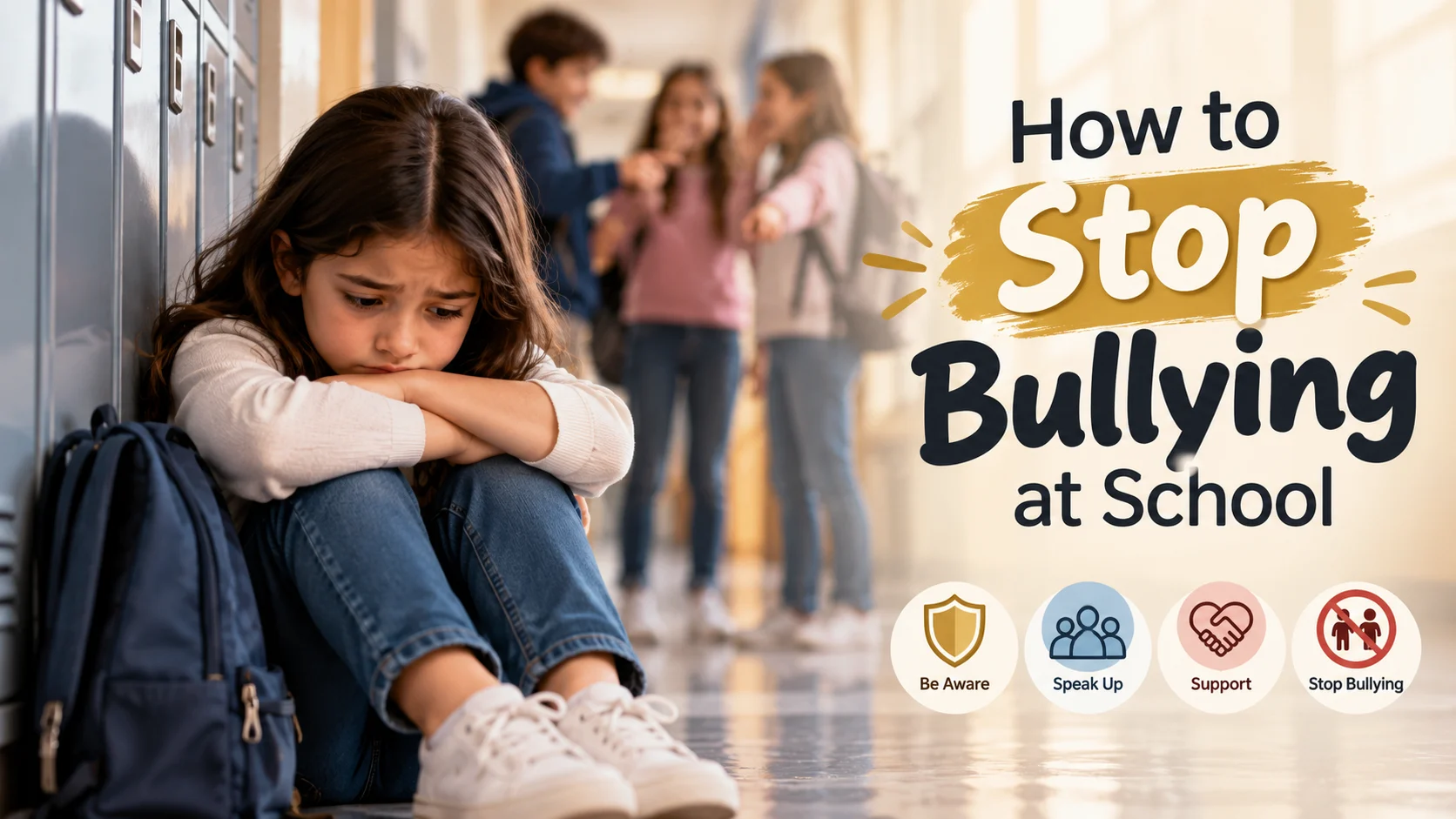

Bullying can turn an ordinary school day into a stressful experience for children and their families. Whether a student faces repeated teasing, social exclusion, physical intimidation, or online harassment, knowing how to stop bullying at school is essential for protecting their safety and emotional well-being.
The most effective response involves parents, teachers, students, and school administrators working together. This guide explains practical strategies to recognize bullying, respond safely, report incidents, and prevent repeated behavior.
How to Stop Bullying at School: Quick Answer
To stop bullying at school, prioritize the student’s safety, listen without judgment, document incidents, report concerns to school staff, and establish a clear follow-up plan.
Students should seek trusted adult support rather than respond with violence. Schools should investigate concerns, provide protection, and monitor whether bullying continues.
Important: If a student faces immediate danger, serious violence, or credible threats, contact emergency services or appropriate authorities.
What Is School Bullying?
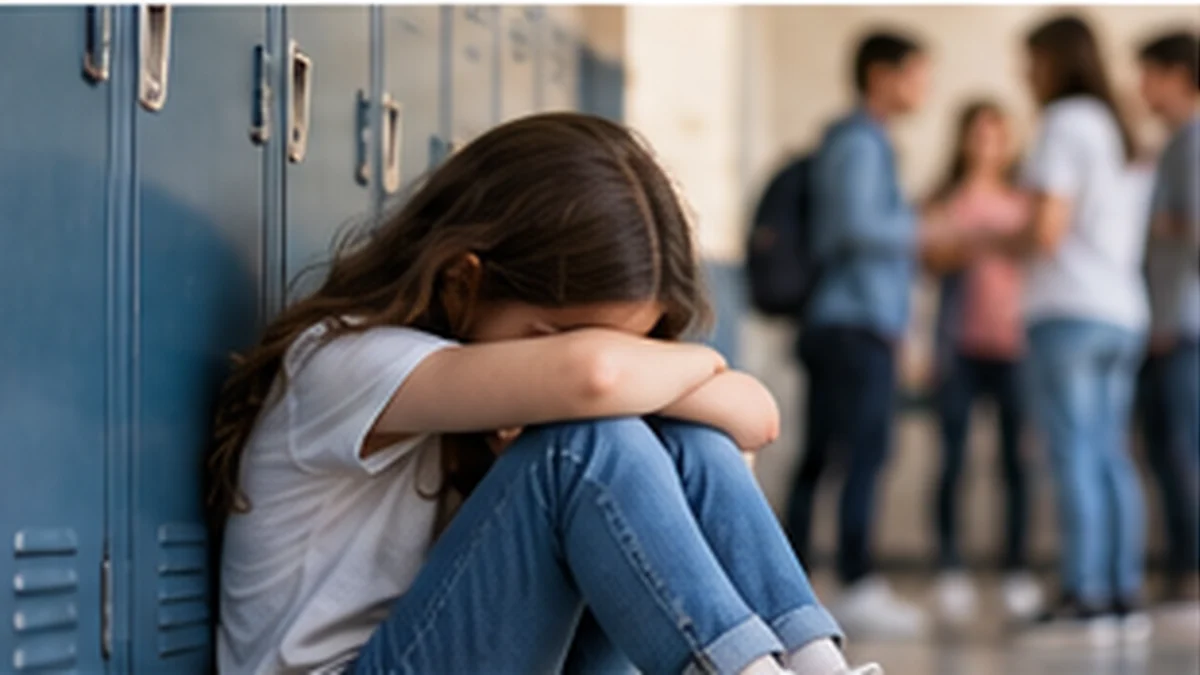
Bullying is unwanted aggressive behavior involving a real or perceived power imbalance. It happens repeatedly or has the potential to happen more than once.
A student might experience bullying because another student uses physical strength, social influence, threats, or embarrassing information to intimidate them.
Bullying differs from ordinary disagreement. A single argument between students with similar power may be conflict rather than bullying. However, isolated aggression can still be serious and require adult intervention.
Common Types of Bullying at School
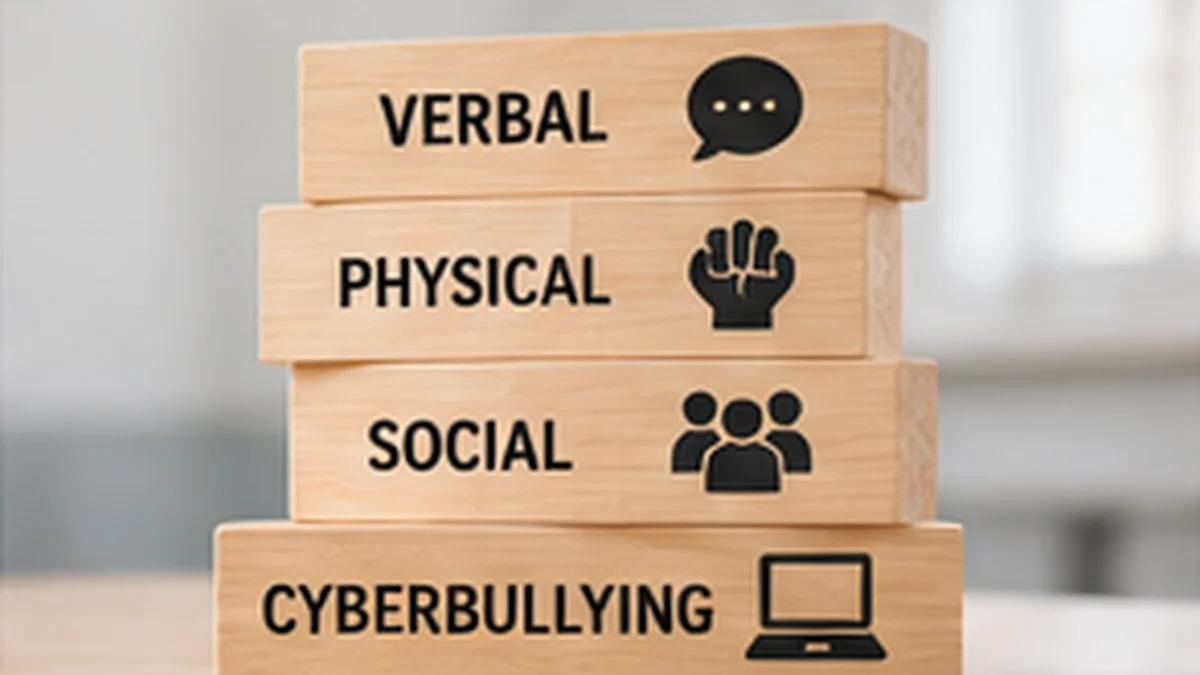
Bullying can take several forms. Recognizing these behaviors helps parents and teachers identify problems earlier.
Verbal Bullying
Repeated insults, name-calling, threats, mocking, and humiliating comments directed at another student.
Physical Bullying
Hitting, pushing, tripping, deliberately damaging belongings, or physically intimidating someone.
Social Bullying
Spreading rumors, deliberate exclusion, damaging someone’s reputation, or encouraging others to reject them.
Cyberbullying
Repeated harassment through social media, messaging applications, online games, or digital communication.
Warning Signs Your Child May Be Experiencing Bullying
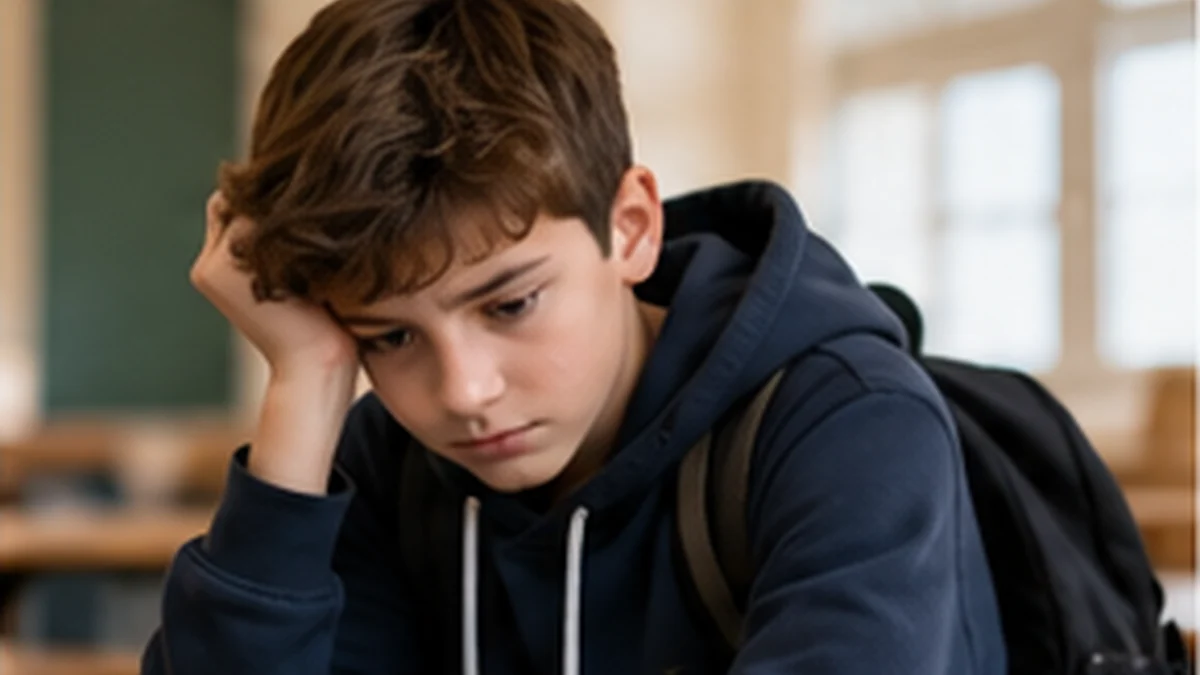
Children do not always tell adults when they are being bullied. Some fear retaliation, feel embarrassed, or believe reporting will not help.
Possible warning signs include:
- Sudden reluctance to attend school.
- Frequent headaches, stomachaches, or sleep problems.
- Damaged or missing school belongings.
- Withdrawal from friends and social activities.
- Unexplained injuries.
- Changes in mood or confidence.
- Declining academic engagement or attendance.
- Distress after using social media or messaging apps.
These signs do not automatically mean bullying is occurring. They may have other explanations. Parents should start a calm conversation rather than make assumptions.
“I’ve noticed you seem worried about school lately. Is anything happening that makes you uncomfortable? You can tell me, and we’ll work through it together.”
How to Stop a Bully: 7 Practical Strategies
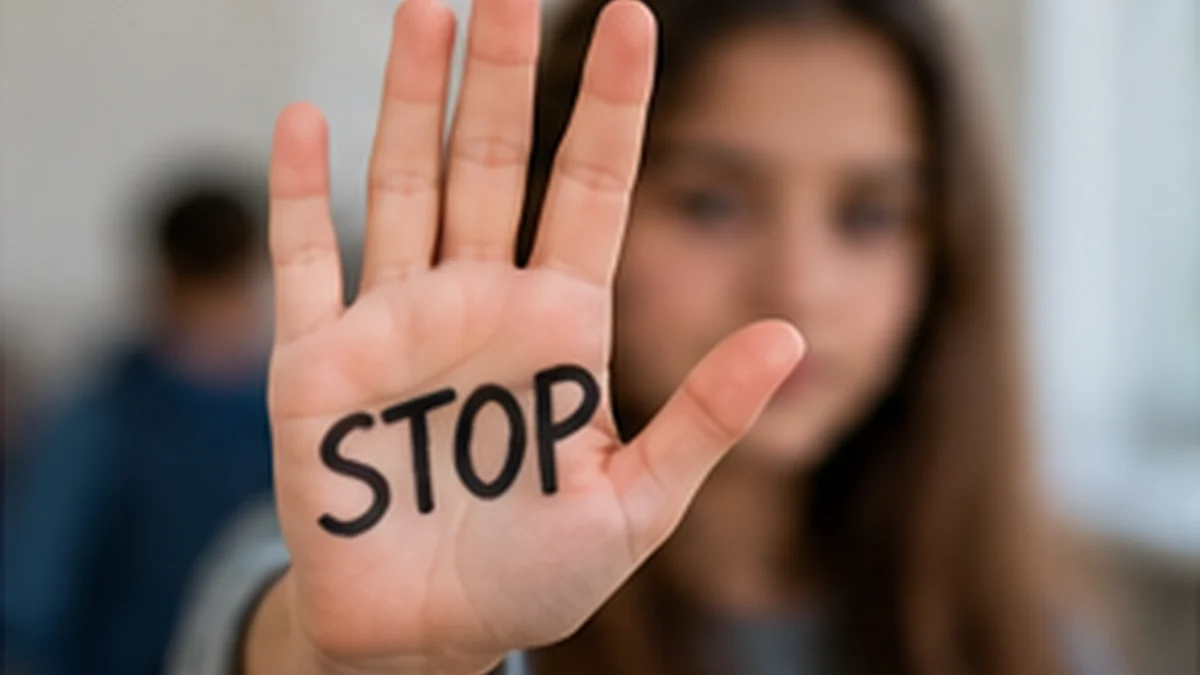
If you’re wondering how to stop a bully, the most important principle is safety. Children should not be expected to handle repeated intimidation alone.
1. Move Away From Unsafe Situations
When possible, students should leave the area and move toward a supervised classroom, school office, or trusted adult.
2. Tell a Trusted Adult
Report bullying to a teacher, counselor, parent, or school administrator. Explain what happened, where it occurred, and whether it has happened before.
3. Set Clear Boundaries When Safe
A brief, calm response may help in some situations. A student might say, “Stop. I don’t like that,” before walking away. Avoid confrontation if it could increase danger.
4. Avoid Physical Retaliation
Fighting back can increase the risk of injury. Encourage students to move to safety and request help instead of retaliating.
5. Stay Connected With Supportive Friends
Trusted friends can provide emotional support. Walking together in supervised areas may reduce some opportunities for intimidation while adults address the problem.
6. Document Bullying Incidents
Record the date, time, location, behavior, witnesses, and relevant evidence. Clear documentation helps identify patterns.
7. Develop a Safety Plan
Identify trusted school contacts, safe locations, reporting procedures, and follow-up arrangements.
How to Stop Bullies From Bullying: A Parent’s Action Plan
Parents play an important role in protecting children and communicating with schools. A structured approach can make reporting clearer and help adults monitor progress.
Step 1: Listen Without Blaming
Allow your child to explain what happened. Avoid suggesting they caused the bullying or should have handled it differently.
Step 2: Gather Important Details
Ask where, when, and how often the incidents occur. Avoid repeatedly questioning your child in ways that increase distress.
Step 3: Contact the School
Inform the classroom teacher or appropriate school contact. Provide factual details and ask how the school will respond.
Step 4: Request Protective Measures
Discuss increased supervision, safer transitions, a trusted contact person, and clear reporting procedures.
Step 5: Follow Up
Check with your child and school staff to determine whether the incidents have stopped and whether further support is needed.
Example Email to a Teacher
Subject: Concern About Repeated Bullying at School
Dear [Teacher’s Name],
I am writing to share concerns about incidents involving my child, [Child’s Name]. My child has described repeated behavior that is affecting their sense of safety at school.
The incidents reportedly occurred on [dates] in [locations]. I would appreciate an opportunity to discuss the situation and develop an appropriate safety and follow-up plan.
Please let me know the school’s reporting process and a convenient time to discuss the next steps.
Thank you for your attention and support.
Sincerely,
[Parent’s Name]
What Teachers and Schools Can Do to Stop Bullying
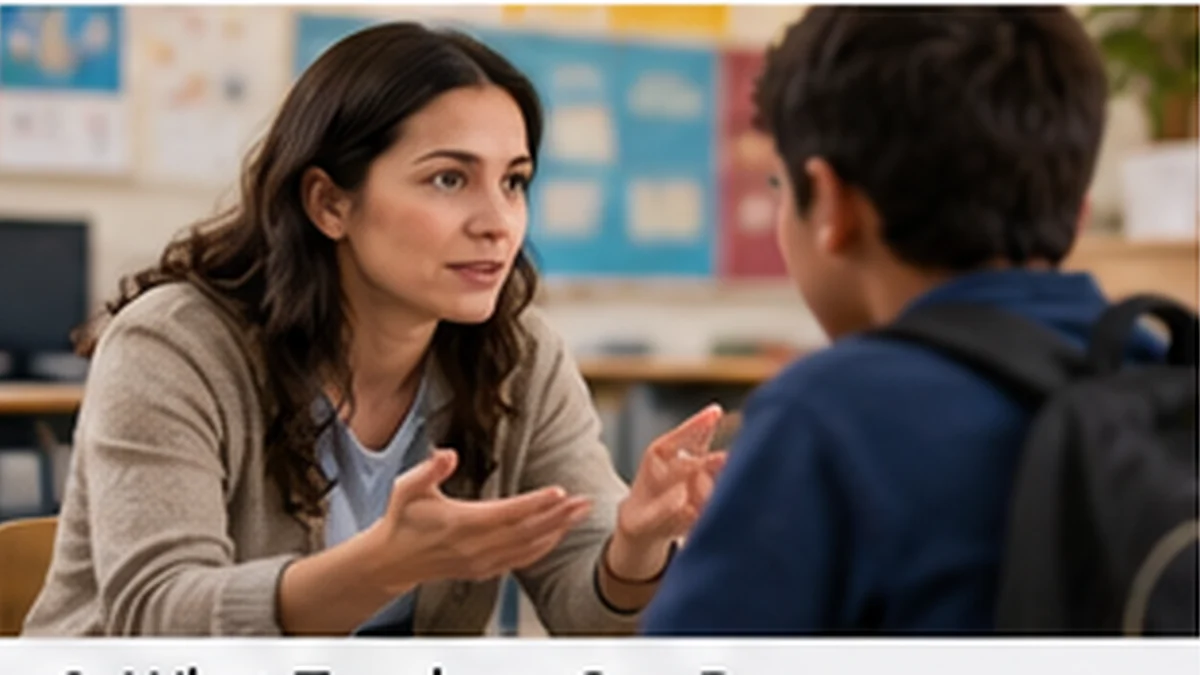
Teachers and school administrators are essential to effective bullying prevention. Students need to know adults will take their reports seriously.
Intervene Promptly
Calmly stop the behavior, separate students when necessary, and check for immediate safety concerns.
Speak With Students Separately
Gather information privately. Avoid forcing students to publicly explain sensitive incidents or apologize in front of classmates.
Follow Reporting Procedures
Document concerns according to school policy, involve appropriate staff members, and maintain appropriate confidentiality.
Establish Classroom Expectations
Teach respectful behavior and explain how students can report bullying safely.
Monitor the Situation
Check whether incidents continue and watch for retaliation. Follow-up should form part of every serious intervention.
How to Report Bullying at School Effectively
Reporting bullying creates a record of concerns and gives school staff an opportunity to respond.
When reporting, include specific information rather than general accusations whenever possible.
| Information | Example |
|---|---|
| Date and time | Monday, 12:30 PM |
| Location | School cafeteria |
| Reported behavior | Repeated insults and threats |
| Witnesses | Two classmates |
| Evidence | Student account and messages |
| School response | Teacher notified; follow-up arranged |
If an initial report does not receive an appropriate response, follow up in writing with school administration. Ask about the school’s escalation procedures.
Serious violence, credible threats, or immediate danger may require urgent intervention beyond ordinary school reporting.
How to Stop Cyberbullying Among Students
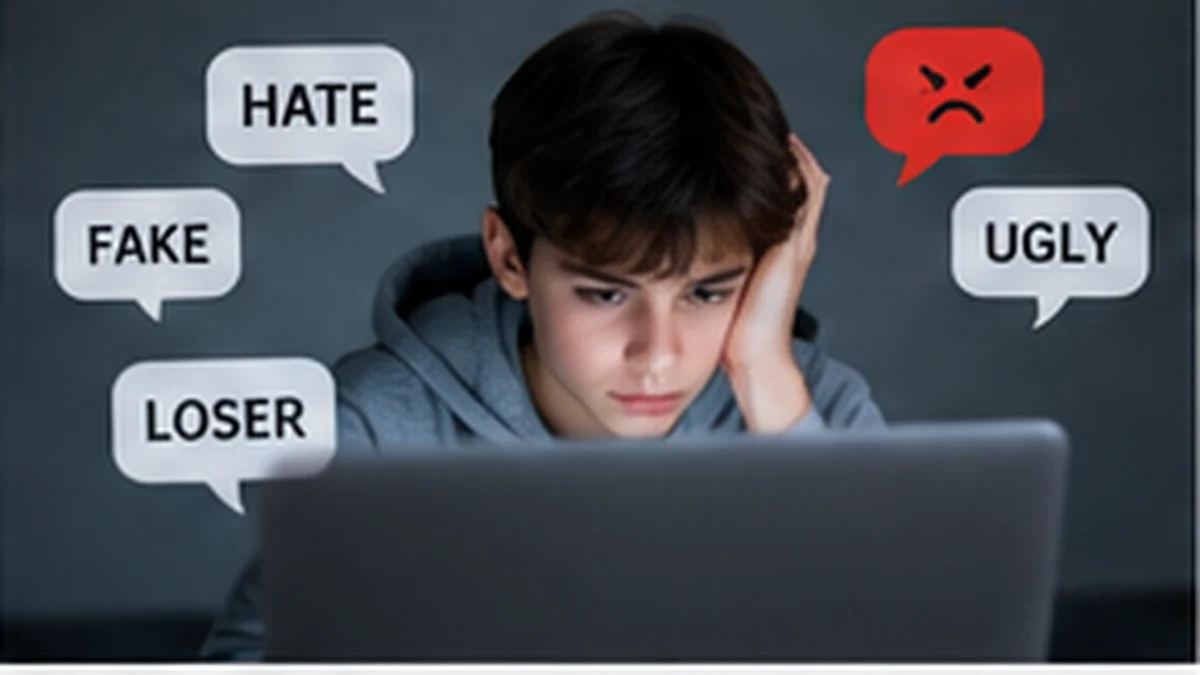
Cyberbullying can occur through social media, online games, messaging applications, and group chats.
Online harassment may continue beyond school hours and reach a wide audience.
Practical Steps to Address Cyberbullying
- Save screenshots and relevant messages.
- Avoid responding with threats or retaliation.
- Block or mute abusive accounts when appropriate.
- Report harmful content through the platform’s reporting system.
- Tell a trusted parent, teacher, or counselor.
- Contact school staff when online behavior affects school safety.
- Escalate credible threats or exploitation to appropriate authorities.
Parents should avoid blaming children for using digital technology. Supportive conversations can make it easier to disclose online harassment.
How to End Bullying: Long-Term Prevention Strategies
Understanding how to end bullying requires more than responding to individual incidents. Schools need consistent expectations, effective reporting systems, and supportive relationships.
Clear School Policies
Explain unacceptable behavior, reporting procedures, and how schools respond to incidents.
Teacher Training
Help staff recognize bullying, intervene safely, document incidents, and support students.
Student Connectedness
Encourage supportive relationships, inclusive activities, and a positive classroom environment.
Better Supervision
Monitor hallways, playgrounds, cafeterias, and other areas where incidents may occur.
Safe Reporting
Provide accessible ways for students to report concerns and seek adult support.
Regular Follow-Up
Check whether interventions are working and adjust support when necessary.
Schools should also help students who engage in bullying learn safer ways to manage conflict while maintaining appropriate accountability.
How Students Can Help Someone Experiencing Bullying
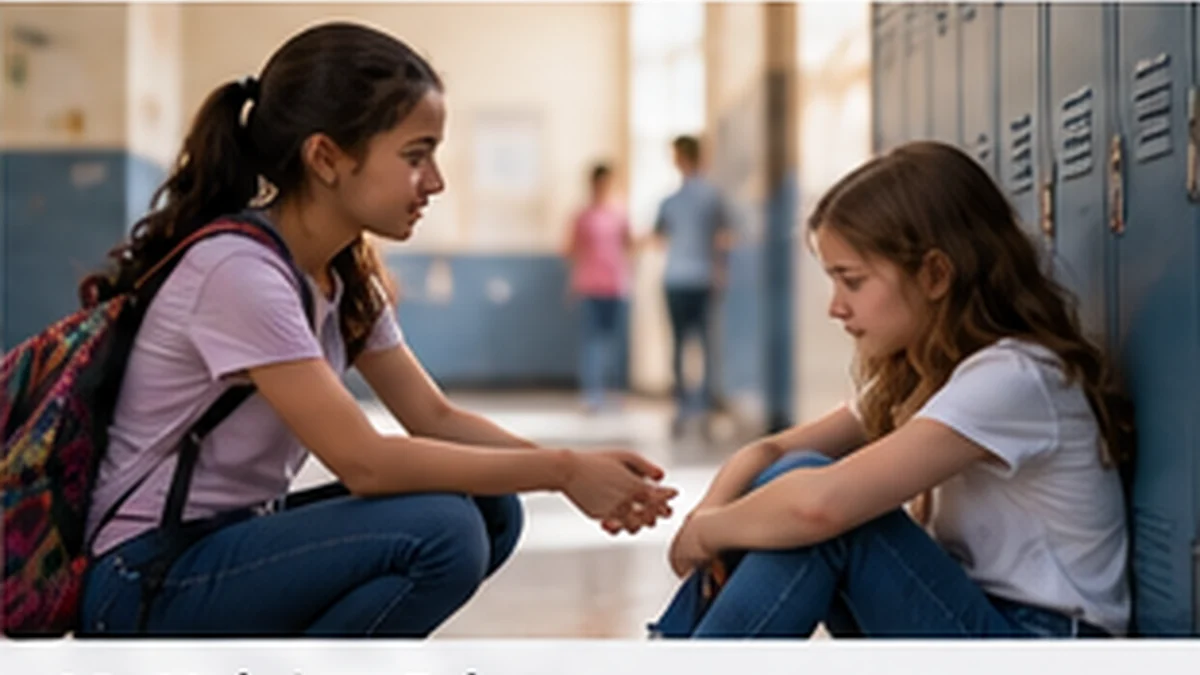
Students who witness bullying can make a positive difference without physically confronting anyone.
- Tell a trusted adult about the incident.
- Check privately whether the affected student needs support.
- Invite excluded students into appropriate group activities.
- Avoid laughing at humiliating comments or spreading rumors.
- Refuse to share harmful posts or embarrassing images.
- Seek immediate adult help if someone is in danger.
Helping Children Recover Emotionally After Bullying
Even after bullying stops, some students may continue to experience anxiety, embarrassment, fear, or reduced confidence.
Parents and educators should provide emotional support while helping children rebuild their sense of safety.
Supportive Approaches
- Listen without minimizing the child’s feelings.
- Reassure the child that they deserve respect and safety.
- Encourage supportive friendships and enjoyable activities.
- Maintain predictable daily routines.
- Check regularly how the child feels about school.
- Consider qualified counseling support when difficulties persist.
“Thank you for telling me.”
“You deserve to feel safe at school.”
“You did not cause someone else to mistreat you.”
“We can work together on the next steps.”
If a child expresses an immediate intention to harm themselves or someone else, seek urgent professional or emergency assistance.
Practical School Bullying Prevention Checklist
Parents and educators can use this checklist to organize their response to a bullying concern.
Frequently Asked Questions About School Bullying
What is the best way to stop a bully at school?
The safest approach is to seek trusted adult help, document incidents, establish protective measures, and follow up with school staff.
How do you stop bullies from bullying repeatedly?
Repeated bullying requires consistent intervention, appropriate school supervision, documentation, supportive reporting systems, and follow-up.
What should parents do if their child is being bullied?
Listen calmly, reassure the child, record incidents, inform school staff, request protective measures, and monitor the situation.
Can bullying be stopped without fighting?
Yes. Seeking adult assistance, leaving unsafe situations, documenting incidents, and using coordinated school interventions are safer than physical retaliation.
What should teachers do when bullying occurs?
Teachers should respond promptly, check student safety, gather information privately, follow school procedures, and monitor whether the behavior continues.
What if the school ignores bullying complaints?
Follow up in writing with school administrators, request information about escalation procedures, and contact appropriate district or oversight authorities when necessary.
How can schools prevent bullying?
Schools can strengthen prevention through staff training, clear expectations, student connectedness, effective supervision, safe reporting, and regular follow-up.
How should students respond to cyberbullying?
Preserve evidence, avoid retaliating, use platform reporting tools, and tell a trusted adult. Report serious threats to appropriate authorities.
Final Thoughts: How to End Bullying at School
Learning how to stop bullying at school begins with recognizing harmful behavior and responding with care, consistency, and appropriate support.
Parents can listen, document concerns, and work with teachers. Schools can provide safe reporting systems, supervision, and meaningful follow-up. Students can seek help, support classmates, and avoid retaliation.
Although no single action guarantees that bullying will end, coordinated efforts can help protect students and create a safer school environment.
Sources and Editorial Guidance
This article is informed by educational guidance from StopBullying.gov and the Centers for Disease Control and Prevention (CDC).
- StopBullying.gov — Understanding bullying and its different forms.
- StopBullying.gov — Responding to bullying incidents.
- StopBullying.gov — Cyberbullying reporting and prevention.
- CDC — School connectedness and supportive learning environments.
Editorial note: This article provides general educational information and does not replace individualized legal, medical, mental health, or emergency advice. School procedures and reporting requirements vary by location.