Introduction
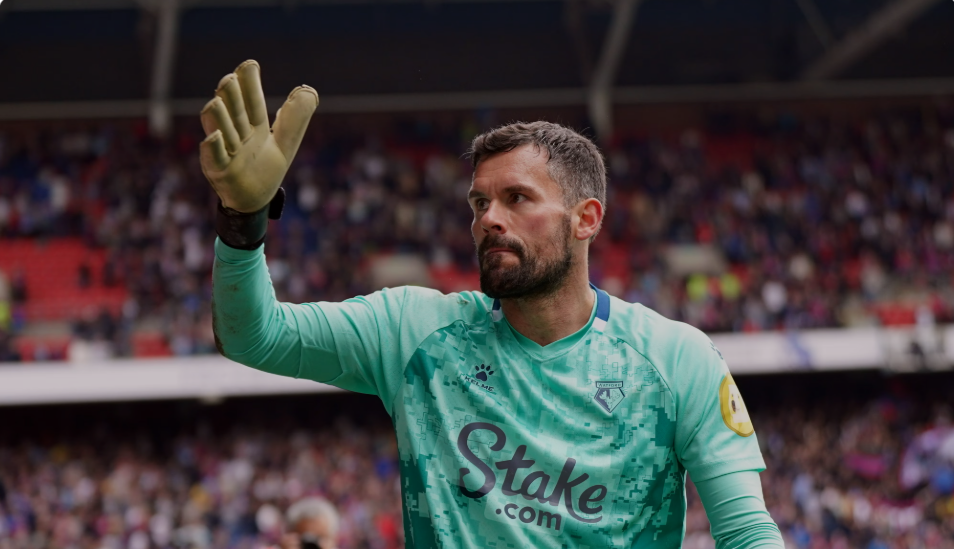
If someone had told teenage Ben Foster, scrubbing pans at Café Rouge, that he’d go on to play over 500 professional matches, win domestic trophies, and later reinvent himself as a YouTube star, he’d have probably laughed mid-shift. But football—and life—rarely follow a script. Foster’s story is less about glamorous headlines and more about grit, resilience, and reinvention: from muddy lower-league pitches to Old Trafford, Wembley finals, and eventually a Warwickshire farm fitted with cameras and GoPros.
This is the story of a goalkeeper who learned that his greatest saves often happened away from the penalty box.
Early Days in Leamington Spa
Born on 3 April 1983 in Leamington Spa, Foster’s path into football was anything but traditional. While training as an apprentice chef at Café Rouge, he balanced long shifts in the kitchen with nights in goal for Racing Club Warwick. By December 2000, he had secured the starting spot between the posts, a role that would soon open doors to the professional game.
In April 2001, a scout spotted Foster’s potential, and Stoke City signed him for a modest fee. Though he spent much of his time on loan at lower-league clubs—including Tiverton Town, Stafford Rangers, Kidderminster Harriers, and Wrexham—each spell added resilience and experience. A cruciate ligament injury in 2003 tested his patience, but recovery taught him toughness that would define his career.
The breakthrough came during his loan at Wrexham, particularly in the 2005 Football League Trophy final. His performance that day caught the eye of Sir Alex Ferguson—a twist that would change his trajectory forever.
Manchester United and the Weight of Expectation
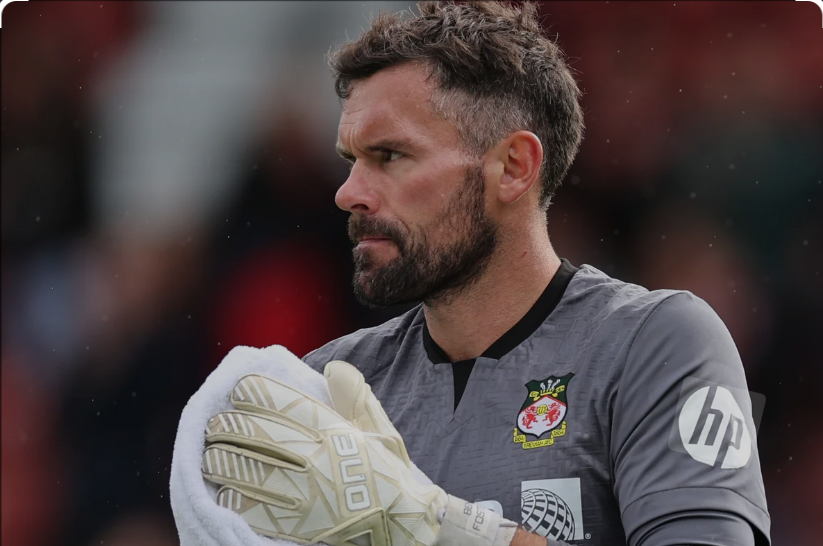
In July 2005, Manchester United paid £1 million for Foster, viewing him as a long-term successor to Peter Schmeichel. Suddenly, the young goalkeeper from non-league football was training with world-class stars at Old Trafford.
Though competition for the number one shirt limited his appearances, there were standout moments. In 2009, he delivered a man-of-the-match performance in the League Cup Final against Tottenham, saving a penalty and lifting the Alan Hardaker Trophy. Famously, Foster had used an iPod to study opposition penalties—an early example of tech-assisted preparation that made headlines.
But United wasn’t just triumphs. A string of injuries (thumb ligament, knee problems, broken fingers) hampered his development, and errors in key matches attracted criticism. Still, the lessons in resilience, scrutiny, and professionalism proved invaluable.
Watford and Birmingham: Breakthrough and Redemption
Foster’s loan spells at Watford (2005–07) were career-defining. He helped the Hornets achieve promotion to the Premier League and was twice named their Player of the Season. Supporters quickly warmed to his commanding presence in goal.
A move to Birmingham City in 2010 offered a new start. Here, Foster flourished, delivering key performances—including a heroic display in the 2011 League Cup Final victory over Arsenal, where he again claimed the Alan Hardaker Trophy. That season, he swept up both Player of the Season and Players’ Player awards, cementing his reputation as one of the league’s most reliable keepers.
West Brom Years: Consistency and Recognition
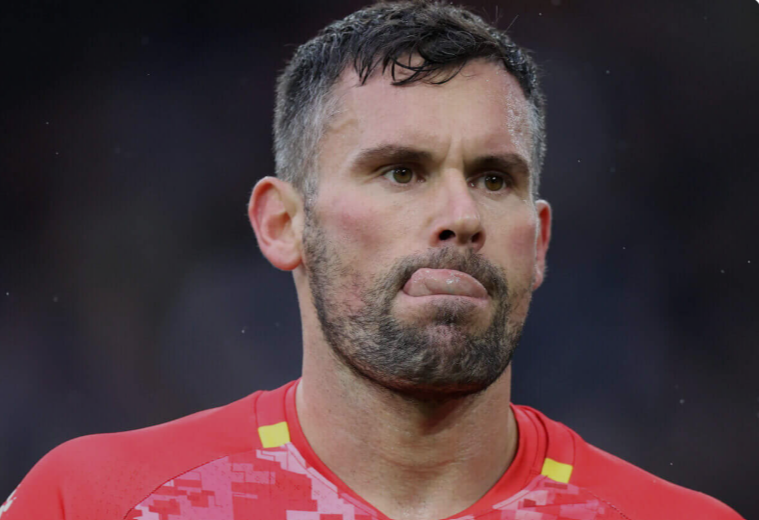
Joining West Bromwich Albion in 2011, initially on loan before a permanent deal, Foster found stability. Over eight seasons, he became a cornerstone of the team, recording over 200 Premier League appearances and setting club records for clean sheets. His form earned him both Supporters’ and Players’ Player of the Year honors multiple times, reflecting his importance not only as a shot-stopper but as a leader.
Return to Watford and a Late-Career Twist
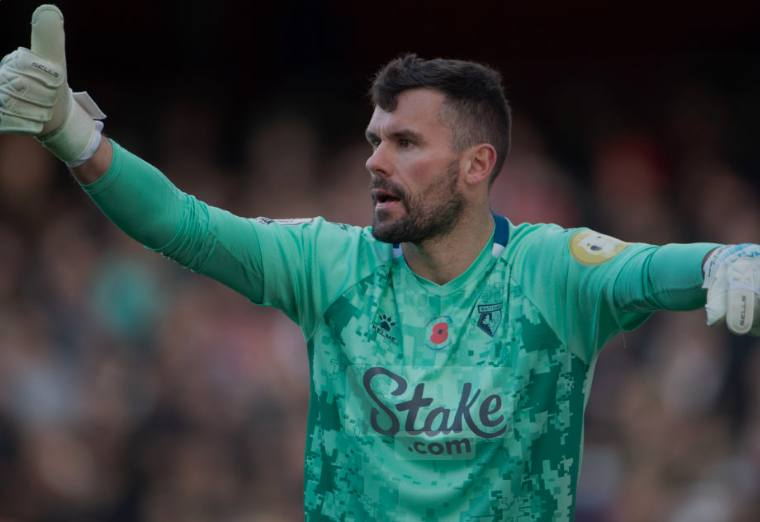
In 2018, Foster returned to Watford, this time as a veteran presence. He reclaimed the number one jersey, guiding the club through highs and lows, including relegation battles. Beyond his performances, Foster took on a mentorship role, helping nurture younger keepers and contributing invaluable experience.
Just when it seemed his playing days were over—after announcing retirement in 2022—Foster made a surprise comeback with Wrexham in 2023. Nearly two decades after his first spell, he returned to help the club secure promotion, famously saving a last-minute penalty against Notts County. At 40 years old, he became Wrexham’s oldest league player, proving his love for the game remained intact.
Life Beyond Football: YouTube, Podcasts, and Family
While many footballers fade quietly into retirement, Foster reinvented himself. In 2020, he launched The Cycling GK on YouTube, giving fans a unique look at life as a professional goalkeeper through GoPro footage, training insights, and his passion for cycling. The channel grew rapidly, surpassing 1.4 million subscribers and earning Silver and Gold YouTube Play Buttons.
Foster also co-hosts Fozcast – The Ben Foster Podcast with Tom Ochoa, welcoming football stars, content creators, and cultural figures. Together, they discuss football, lifestyle, and the human side of sport. A spin-off debate series, The Football Fill-In, has further expanded his digital reach.
Off-camera, Foster lives with his wife and two children on a farm in Henley-in-Arden, Warwickshire. Life on 30 acres, surrounded by rabbits and open countryside, offers balance after years in high-pressure stadiums. He continues cycling and has hinted at taking on major European routes in the future.
Personal Notes and Lessons
Not every headline has been flattering—such as his 2022 speeding ban—but Foster’s openness about mistakes, struggles, and setbacks makes him relatable. His journey shows that success is rarely a straight line; it’s built on comebacks, adaptability, and the courage to reinvent yourself.
Conclusion
From café kitchens to Wembley glory, from relegation scraps to YouTube milestones, Ben Foster’s career is a story of resilience, reinvention, and staying true to yourself. While his saves and trophies will be remembered, it’s perhaps his willingness to embrace new challenges—whether in football or in digital media—that defines his legacy.
For aspiring athletes, creators, or anyone facing setbacks, Foster’s journey proves one thing: sometimes your biggest save happens after you’ve left the pitch.