
What Happened
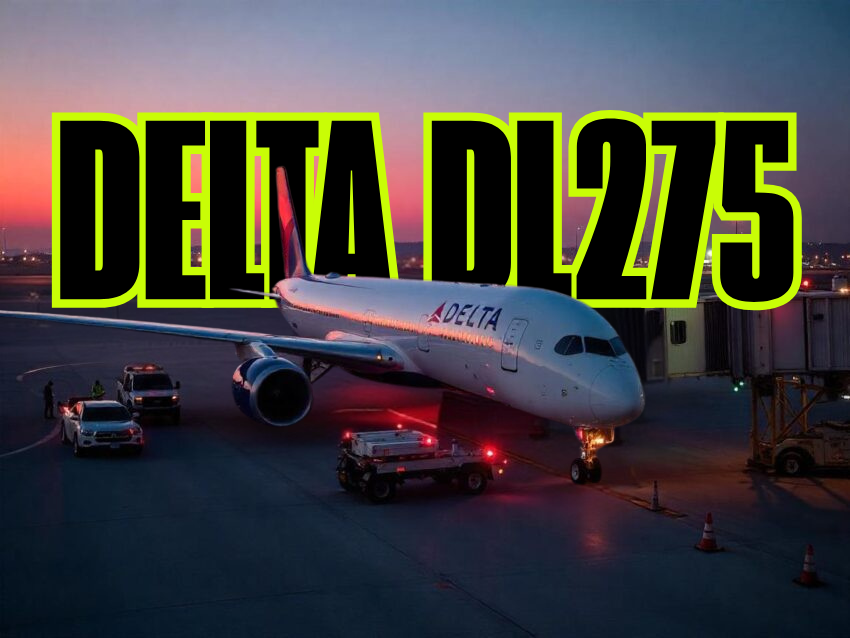
Delta Air Lines Flight DL275, operating from Detroit (DTW) to Tokyo-Haneda (HND) on an Airbus A350-900, made an unexpected mid-ocean U-turn on May 27–28, 2025.
The aircraft was several hours into its 13-hour journey, flying over the Bering Sea, when the crew decided to divert south to Los Angeles International Airport (LAX) instead of continuing across the Pacific.
It landed safely on runway 06R in Los Angeles, several hours after the decision to turn back.
According to AirLive, “the flight turned around to divert to Los Angeles … while flying over the Bering Sea,” highlighting how far the aircraft had to travel to reach a suitable airport.
The Suspected Issue: Engine Anti-Ice System Problem
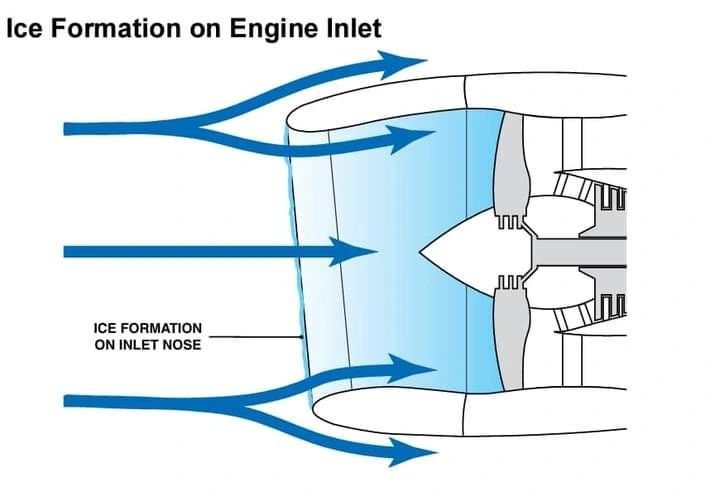
image Source: Wing Anti-Ice Systems
While Delta has not released an official statement beyond standard “mechanical issue” language, multiple aviation-incident trackers have since pointed to a problem with the aircraft’s engine anti-ice system.
AeroInside listed a Delta A350 incident “over the Bering Sea” citing an engine anti-ice problem.
The Aviation Herald described passengers being told about a suspected issue with the Rolls-Royce Trent XWB engine anti-ice system.
Airportia’s incident digest directly quoted passengers:
“Passengers reported the crew announced a problem with the engine (Trent XWB) anti-ice systems.”
The aircraft reportedly remained on the ground in Los Angeles for about 18 hours before re-entering service.
Why Divert All the Way to Los Angeles
To the casual observer, diverting from the Bering Sea all the way to Los Angeles might seem extreme. But aviation experts and Delta crews know this move makes perfect operational sense.
Avoiding Icing Conditions
If anti-ice protection is questionable, regulations and training require avoiding known or forecast icing conditions. Turning south toward the U.S. West Coast moves the aircraft out of cold, moist air masses—a key safety priority.
Better Maintenance and Crew Support
Los Angeles is one of Delta’s primary A350 operating bases, serving long-haul routes to Sydney, Brisbane, and (seasonally) Tokyo-Haneda. That means trained A350 pilots, engineers, and spare parts are on-site—something not guaranteed at smaller alternates like Anchorage or Seattle.
Passenger Handling and Logistics
LAX offers full customs, hotel, and re-accommodation capacity, making it easier to reroute hundreds of international passengers. Delta’s TechOps facility at LAX, opened in 2020, is equipped for A350 maintenance, enabling quick inspection and turnaround.
What the Aviation Community Said (Reddit Highlights)
On r/flightradar24, users closely followed DL275’s diversion in real time. Here are some notable observations from the community:
Friendly_Promise_998: “Problem with de-icing system.”
Aoliver99: “They don’t do A350 stuff in Seattle.”
SubarcticFarmer: “LAX has an A350 crew base to replace the pilots to start. Seattle doesn’t.”
Fluid-Island-2018: “With LAX, they do have A350 crews, as there are flights to and from Australia with those.”
Aviation watchers largely agreed that heading to LAX was the safest and most practical decision given Delta’s fleet and infrastructure there.
Expert Take: A Textbook Diversion
From an operational standpoint, this was a conservative and well-executed decision.
Anti-ice systems are critical in high-latitude cruise, and any uncertainty means avoiding ice exposure at all costs.
By descending to warmer latitudes and heading for an airport with full A350 maintenance capability, the DL275 crew followed the best-practice playbook for long-haul safety and risk management.
The Aftermath
The aircraft, reportedly tail number N508DN, was inspected by Delta’s TechOps engineers in Los Angeles and returned to service within a day. Passengers were rebooked on subsequent flights to Tokyo and other Asia connections.
Key Takeaways
Flight: Delta DL275 (DTW–HND)
Aircraft: Airbus A350-900 (N508DN)
Incident: Suspected engine anti-ice system malfunction
Diversion: From over the Bering Sea to LAX
Landing: Runway 06R, Los Angeles
Ground Time: Approximately 18 hours
Outcome: Safe landing; aircraft returned to service
Sources
AirLive – tracking and diversion summary
AeroInside – incident log (“engine anti-ice problem”)
The Aviation Herald – passenger reports on engine anti-ice issue
Airportia – confirmation of passenger announcement and timeline
Reddit r/flightradar24 – live observations from aviation enthusiasts
Delta Air Lines – TechOps LAX facility overview